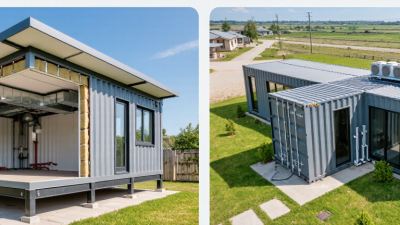
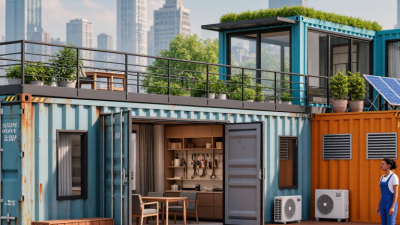
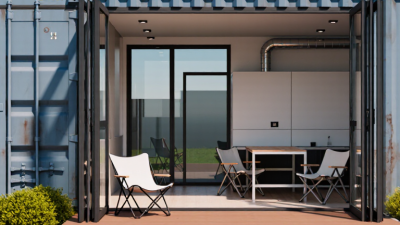
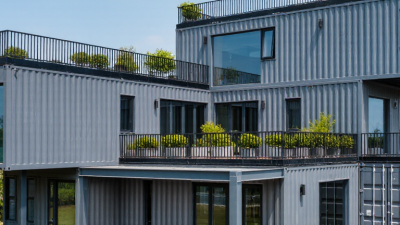
The best container cottages for sale worldwide combine practical design, reliable construction, and a clear understanding of local living conditions. These compact homes can serve as garden studios, holiday cabins, guest suites, or full-time residences. Their appeal is easy to see: a steel frame, a compact footprint, and faster installation than many traditional buildings. Small footprint. Big decisions.
This guide examines container cottages from a buyer’s practical perspective. It considers insulation, ventilation, plumbing, electrical systems, transport access, and interior space. A cottage that looks beautiful in a sunny showroom may perform poorly in a cold, wet, or coastal climate. Rust protection matters near the sea. Proper roof design matters in heavy rain. Good insulation matters almost everywhere. Manufacturer specifications should be checked carefully, not accepted as attractive marketing.
Prices can also change after delivery, foundation work, utility connections, and interior upgrades. That part is often underestimated. Regional building requirements, planning permissions, and safety standards must be confirmed with qualified local professionals. Those details vary widely between countries and even between nearby communities. This overview focuses on suppliers and designs that appear practical, transparent, and adaptable, while recognizing that no single cottage suits every buyer. Real homes have compromises. A low price may mean fewer finishes, while a premium model may provide better durability and comfort. Thoughtful comparison can reveal which container cottages offer genuine value, rather than simply impressive photographs.
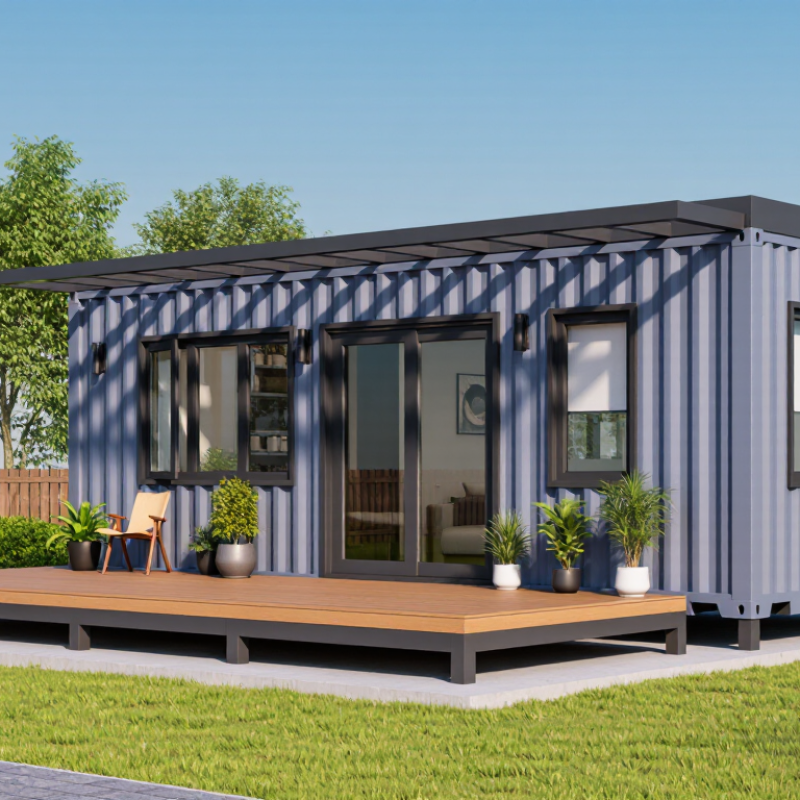
A container cottage is a compact home built from an intermodal steel container. ISO 668 commonly lists a 20-foot unit at about 6.1 by 2.4 meters. Its internal area is roughly 14 square meters before finishes. That is small, but workable. A careful plan can fit a bed, wet room, kitchenette, and storage.
UNCTAD’s Review of Maritime Transport reports that over 80% of global merchandise trade moves by sea. This shared container format supports worldwide transport and modular construction. However, a container is only a structural shell. Professionals must cut openings, reinforce the frame, install insulation, connect plumbing, and design safe ventilation. Steel transfers heat quickly. Without continuous insulation, the cottage may become hot in summer and cold in winter. Condensation can damage hidden areas. The 2023 Global Status Report for Buildings and Construction states that buildings and construction used about 34% of global energy in 2022. Efficient design matters, even in a tiny home. Some assumptions fail here.
Tips: Request corrosion checks, structural calculations, moisture-control details, and certified electrical work. Ask for insulation performance values, not vague claims. Review the container’s documented history. Have a qualified local professional confirm foundation, drainage, fire safety, and planning requirements before purchase. A low price can conceal expensive cutting, transport, or site preparation.
Container cottages vary widely because “container” describes the structural base, not the finished home. The most common option is a single-module cottage, usually containing one bedroom, a compact bathroom, and a kitchenette. Multi-module cottages join two or more steel units, creating larger living rooms and wider bedrooms. Expandable models use hinged sections that open on site, useful where transport access is limited.
Off-grid cottages add solar panels, battery storage, rainwater collection, and composting or sealed sanitation systems. Cold-climate versions require thicker insulation, vapor control, triple glazing, and protected plumbing. In warmer regions, shaded verandas, cross-ventilation, and reflective roofs matter more. Luxury cottages may include timber interiors, panoramic glazing, and raised foundations, but appearance can hide poor thermal performance.
The International Energy Agency reports that buildings consume about 30% of global final energy and produce roughly 26% of energy-related emissions. Therefore, insulation and efficient heating deserve more attention than decorative finishes. The United Nations Environment Programme also identifies buildings as a major emissions sector, supporting lower-waste construction methods. However, container reuse is not automatically sustainable. Surface treatment, interior contamination, transport distance, and added materials must be checked. The category is not perfectly standardized. A practical buyer should request structural drawings, insulation specifications, ventilation details, and regional compliance evidence. A compact cottage can feel surprisingly spacious, yet badly placed windows may create heat, glare, or privacy problems. That is where many online listings become less convincing.
Buyers can find container cottages through specialist modular-housing suppliers, local steel fabricators, and verified construction marketplaces. Regional suppliers often provide clearer delivery costs and planning guidance. Search terms should include “container cottage,” “modular cabin,” and “prefabricated studio.” Availability varies widely.
The strongest listings show floor plans, insulation details, structural calculations, and recent project photographs. Ask whether the unit uses new or previously deployed containers. Used steel may contain dents, corrosion, or chemical residue. A low price can hide expensive repairs.
Energy performance deserves serious attention. The International Energy Agency reports that buildings consume about 30% of global energy. UNEP’s 2023 Global Status Report states that buildings produced approximately 37% of global energy and process-related carbon emissions in 2022. Good insulation, shaded windows, and efficient heating can reduce a cottage’s operating burden. Small homes still waste energy.
A practical buyer should request a written specification, delivery schedule, warranty terms, and installation requirements. Confirm foundation needs, crane access, drainage, and local planning approval before paying a deposit. Ask for independent inspection. It may feel excessive, but container conversions are not automatically simple.
Some suppliers advertise fast installation, yet site preparation can take longer than expected. Weather, transport permits, and utility connections often change the budget. The market is not perfectly transparent. That is where careful comparison matters.
Container cottages can cost very different amounts across global markets. In North America, a small, finished unit often costs between $60,000 and $150,000. European projects commonly range from $50,000 to $130,000. Prices rise when insulation, heating, and transport standards are strict. In Australia and New Zealand, buyers may spend $70,000 to $160,000 because freight and site access can be expensive. These figures exclude land in most cases.
In parts of Asia, Africa, and South America, a basic cottage may start near $25,000. A comfortable, ready-to-live-in version can exceed $80,000. Local labor may reduce construction costs, but imported windows, plumbing fixtures, or electrical systems can change the budget quickly. Site preparation is often underestimated. Foundations, drainage, utility connections, permits, and crane hire may add 20% to 40%. A remote hillside delivery can cost more than the cottage itself.
Tips: Request an itemized quotation before comparing sellers. Separate the container shell, interior work, transport, taxes, installation, and utility connections. Ask whether the price includes engineering documents and local approvals. Check insulation performance, especially in cold or humid climates. A low quote is not always a bargain. It may omit doors, kitchen equipment, or essential foundation work. Cost estimates also remain imperfect because currency rates and shipping charges change. Confirm every assumption in writing before making a deposit.
Typical turnkey prices for a single container cottage in selected markets, shown in U.S. dollars. Estimates exclude land, permits, utility connections, foundations, and long-distance transport.
The ranges reflect commonly advertised 2024–2025 market prices for finished container-based cottages and small modular accommodation units. Final costs vary according to size, insulation, interior specification, local labor, building regulations, and site conditions.
Before buying a container cottage, inspect the steel, not just the interior. Look for diagonal dents, floor movement, deep rust, and cut openings around doors or windows. Fresh paint can hide corrosion. Ask for repair records, material certificates, and photographs taken before refurbishment. ISO 668 specifies standard container dimensions, but it does not confirm residential safety or structural condition.
Check insulation and condensation control carefully. Bare steel transfers heat quickly and may create hidden moisture behind wall panels. The UNEP 2023 Global Status Report for Buildings and Construction reports that buildings use about 34% of global energy and produce roughly 37% of energy-related and process emissions. Efficient insulation, airtight joints, shading, and tested ventilation matter. Ask for thermal calculations, electrical test documents, fire-resistant materials, and plumbing pressure tests. Small omissions become expensive.
Confirm local planning approval before paying a deposit. Requirements may cover foundations, setbacks, drainage, emergency exits, wind loads, and connection to utilities. A qualified surveyor should examine welds, the roof frame, floor coatings, and lifting points. Do not assume a recycled container is automatically sustainable; transport, repairs, insulation, and future maintenance affect its real footprint. The International Energy Agency also identifies building efficiency as a major route for reducing energy demand, so request actual performance evidence rather than optimistic sales estimates. A glossy finish is useful, but it proves very little.