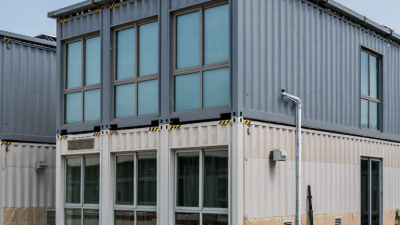
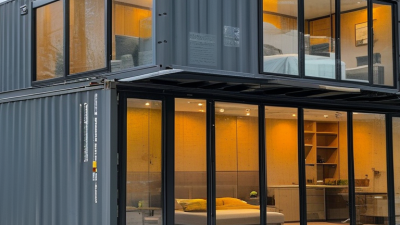
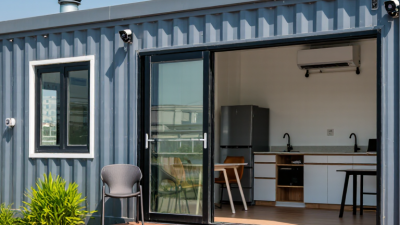
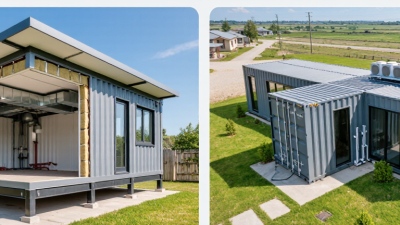
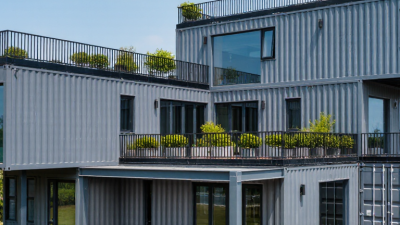
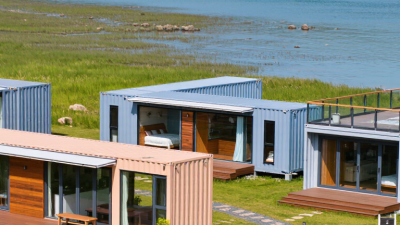
A 20 ft container cabin looks compact on paper: its footprint is about 160 square feet. Yet the container itself is only one part of the budget. Insulation, windows, electrical work, plumbing, interior finishes, delivery, and site preparation can change the final price substantially. A cabin with a simple sleeping area and basic finishes is not comparable to one with a bathroom, kitchenette, and year-round heating. Small spaces still need serious planning.
There is no widely accepted industry dataset that tracks the installed price of a 20 ft container cabin specifically. For context, the National Association of Home Builders’ 2024 Cost of Constructing a Home survey reported an average construction cost of $428,215 for a conventional new home, excluding land. That figure is not a container-cabin estimate; it shows why broad per-square-foot comparisons can mislead. The U.S. Bureau of Labor Statistics’ Producer Price Index tracks price changes for construction inputs, but it does not price a finished cabin. Materials and labor costs also vary by location and date.
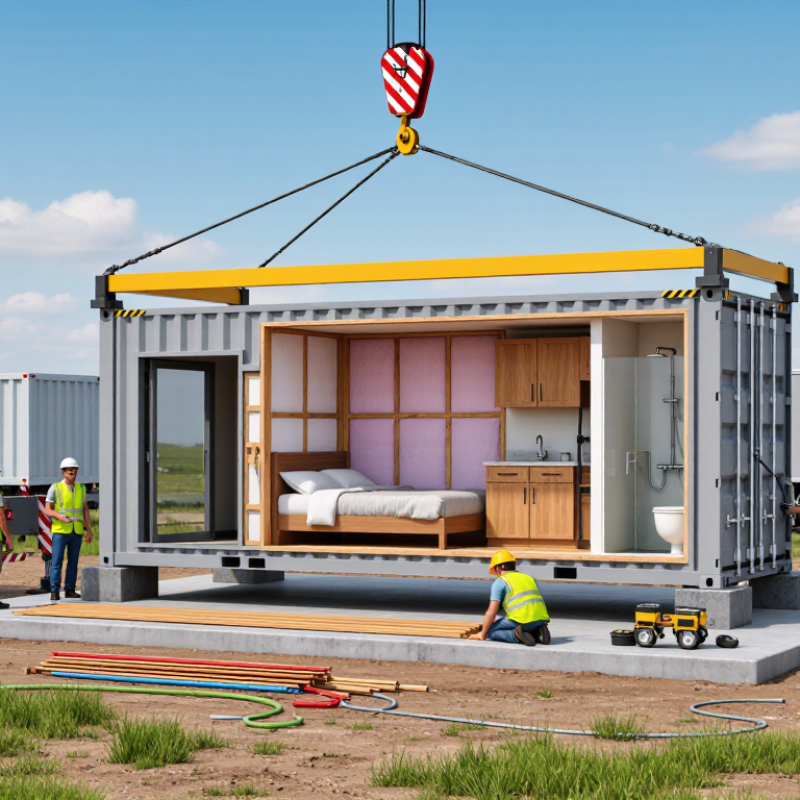
The practical estimate starts with a clear scope: shell condition, insulation type, utilities, foundation, transport distance, and finish level. Picture a crane unloading the container onto prepared supports; that delivery alone depends on access and distance. Then ask suppliers for itemized, dated quotes. This guide breaks down the main cost drivers and explains which choices tend to raise or lower the total. The numbers are estimates, not promises. And estimates can miss things. A difficult site or a late design change may add costs that a simple online price never shows.
For 2026, a realistic U.S. budget for a finished 20-foot container cabin is roughly $20,000–$45,000, excluding land, delivery, site preparation, and utility connections.
A basic shell with insulation, a simple interior, and basic electrical work may sit near the lower end. Add a bathroom, kitchenette, larger windows, or upgraded heating, and the price can climb quickly.
Not turnkey.
The range is an estimate, not a national price list. A 20-foot container offers about 160 square feet of floor area.
The National Association of Home Builders’ 2024 construction-cost survey put average home construction costs at about $162 per square foot. Applied cautiously, that equals roughly $26,000 for 160 square feet.
That comparison is imperfect: conventional homes and container cabins have different structural and finishing costs.
Expect site work to change the final bill. A level gravel pad may cost far less than a concrete foundation, while a remote delivery can add a noticeable charge.
The U.S. Bureau of Labor Statistics’ Producer Price Index tracks changing construction input prices, so material costs may shift between estimates and purchase.
Costs add up.
Ask for written quotes that separate cabin fabrication, insulation, plumbing, electrical work, transport, and installation; otherwise, a low headline price may leave key work out.
A 20-foot cabin’s base price usually covers a usable shell, not a finished living space. ISO 668:2020 sets the standard 20-foot container’s external length at about 6.06 metres and width at 2.44 metres. That compact footprint limits material quantities, but every window, door, and service opening needs careful placement. Cutting openings can require steel reinforcement, adding fabrication time and cost.
Specifications quickly widen the price gap. Basic insulation and a simple interior lining cost less than a complete thermal, acoustic, and moisture-control system. Larger windows bring more daylight, but can increase glazing and framing costs. A bathroom adds plumbing, waterproofing, and ventilation; a kitchen adds cabinets, wiring, and appliance connections. The U.S. National Association of Home Builders’ 2024 Cost of Construction Survey reported that construction represented 64.4% of the average new-home sale price. That figure is not a container-cabin estimate, but it shows why added building systems matter. Small footprint. Big trade-offs.
Tips: Ask for an itemized quote covering insulation, openings, electrical work, plumbing, and interior finishes. Confirm whether delivery and site preparation are included. A low shell price can hide major exclusions. Recheck the specification before comparing quotes; one vague line can change the whole comparison.
For a 20-foot container cabin in 2026, site work can add several thousand dollars before delivery. A level, firm plot may need only light grading, often around $500 to $2,000. Sloped or soft ground can require excavation, drainage, or a more substantial foundation. Those changes may push preparation costs above $5,000. Small details matter.
Foundation choices affect both price and access. Concrete piers or pads may cost roughly $1,000 to $4,000, depending on soil and local labor. A full slab usually costs more and may not be necessary for every cabin. Ask for a site assessment before choosing. A low quote can miss drainage work, buried obstacles, or the equipment needed to reach the placement area.
Delivery is commonly priced by distance, truck access, and unloading requirements. A short, straightforward haul might cost several hundred dollars, while a longer trip can exceed $2,000. If a crane is needed, allow roughly $500 to $2,000 or more. Narrow gates, overhead wires, and weak access roads can change the quote quickly. I would request delivery and crane charges separately; bundling them can make comparisons harder. These are planning estimates, not fixed rates, so confirm the site conditions and final charges with the carrier and installer.
Indicative U.S. planning ranges for a basic finished cabin and common site costs, in USD.
A basic finished 20 ft cabin may cost about $18,000–$35,000 before site work. Site preparation and delivery can add several thousand dollars; foundation and utility costs depend heavily on access, terrain, and local requirements. Treat these figures as budgeting estimates and confirm costs with local suppliers and contractors.
For a 20 ft container cabin in 2026, the shell price is only one part of the budget. Permits can add plan-review, inspection, engineering, and site-work costs. Requirements differ by location, especially for foundations, insulation, fire safety, and wastewater. Ask the local building office what drawings and inspections it requires before ordering the unit. A permit fee alone will not reveal the full approval cost.
Utilities can change the total sharply. A cabin near existing water, sewer, and power may need short connections; a distant site could require trenching, a septic system, or a well. The U.S. Energy Information Administration’s 2020 Residential Energy Consumption Survey put average household energy spending at about $2,000 per year, but that figure is not a hookup estimate. It shows why insulation and efficient heating matter after installation. That gap matters.
Interior finishes add another layer: a shower, compact kitchen, wiring, insulation, and moisture-resistant wall panels all need labor as well as materials. NAHB’s 2024 Cost of Construction Survey reported an average single-family construction cost of $428,215; that is not a container-cabin quote, but it cautions against treating a low shell price as a finished-home budget. Get itemized local estimates. Leave room for surprises.
For a 20-foot container cabin, the shell is only part of the budget. A basic, mostly DIY setup may total $25,000–$40,000, including a used container, insulation, simple interior finishes, and modest electrical work. Add a compact bathroom, kitchenette, and professional installation, and a mid-range setup can reach $45,000–$70,000. A more complete cabin with upgraded windows, heating and cooling, plumbing, and finished cabinetry may cost $75,000–$110,000 or more. Small details add up. A shower, for example, needs waterproofing, drainage, and reliable hot water—not just a fixture.
These are planning ranges, not contractor quotes. Site access, foundation work, utility connections, and local labor rates can shift the total sharply. The 2024 NAHB Cost of Constructing a Home survey reported an average construction cost of $162 per square foot for conventional homes. That is useful context, but it is not a direct container-cabin price: a 20-foot cabin has about 160 square feet, and its fixed costs are concentrated in a much smaller space. I would budget separately for delivery, permits, and site preparation, then keep a 10–20% contingency. Easy to underestimate. A sloped lot or long power run can quietly push a modest setup into the next price tier.