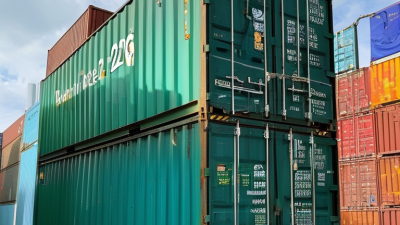
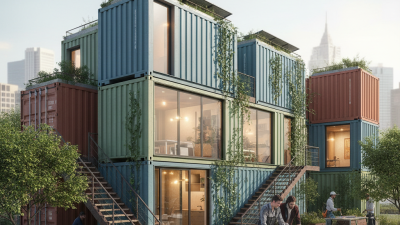
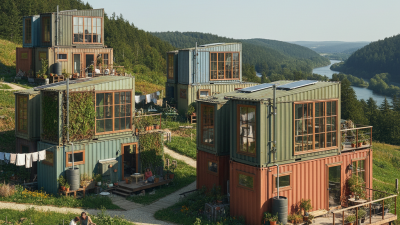
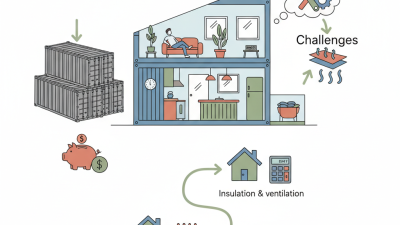
For many businesses, containers are no longer just steel boxes moving goods. They can support storage, transport, temporary workspaces, and changing operational needs. That flexibility matters. UNCTAD’s Review of Maritime Transport 2024 reported that global maritime trade grew 2.4% in 2023, reaching 12.3 billion tons. It projected further growth in 2024. For companies navigating busy supply chains, practical container options can help make space, movement, and planning easier to manage.
The right partner matters too. The World Bank’s 2023 Logistics Performance Index assessed 139 economies across six areas, including infrastructure, shipment tracking, and delivery timeliness. These measures show why logistics decisions involve more than price: visibility and reliability count. Exploring container and more solutions may help a business match capacity to demand, whether it needs secure on-site storage or adaptable space for a project. But no container solves every problem. Site access, dimensions, ventilation, delivery timing, and ongoing costs deserve careful checks before committing. Some needs only become clear after a trial run. That is worth admitting. A useful comparison starts with the job to be done, then checks provider specifications and service terms against real operating conditions. Done carefully, that process can turn a simple container decision into a more resilient business choice.
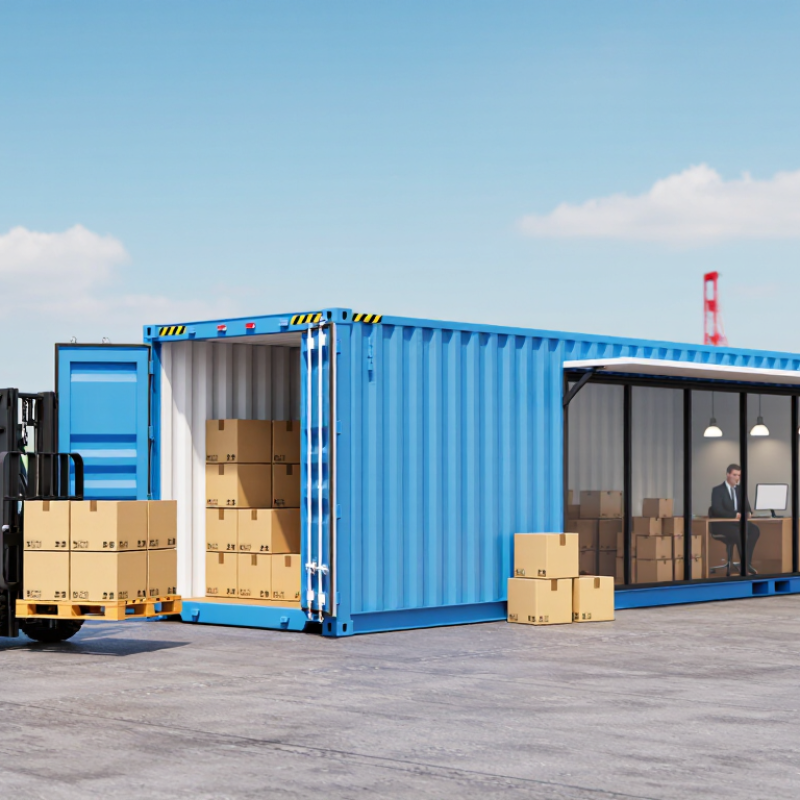
Understanding a container-focused business means looking beyond the steel box. Its value lies in matching container type, condition, delivery, and service to a company’s actual workflow. A construction site may need secure, weather-resistant storage for tools, while a small retailer may need short-term space during a seasonal stock increase. The details matter: door clearance, ventilation, ground access, and placement can affect daily work. A low quoted price is not the whole cost.
Industry scale helps explain the demand. UNCTAD’s Review of Maritime Transport 2023 reports that more than 80% of world trade by volume is carried by sea. That figure describes maritime trade, not every container service, but it shows why reliable container availability and movement matter to supply chains. A useful provider should explain dimensions, condition grades, delivery limits, and possible fees in plain terms. Ask how a unit will be placed, and what happens if the site is not ready. Those questions can feel overly cautious. They are not. A container may look suitable in a photograph yet prove awkward beside a narrow access road or uneven loading area. The right fit is sometimes less obvious than expected.
Businesses need storage that fits their work, site, and schedule. Available options may include new or used containers in several lengths, with standard or high-cube interiors. A compact unit can hold tools beside a renovation project; a larger one can store seasonal stock near a loading area. Measure the available ground and check door clearance before choosing. Small details matter.
Products can also be adapted to suit daily operations. Options may include personnel doors, ventilation, shelving, lighting, insulation, or partitioning, depending on the container and intended use. A dry, ventilated space may help protect packaged materials, while sturdy shelves keep frequently used parts off the floor. Not every modification is useful. Extra fittings can reduce usable space, so plan around the items staff actually handle.
Services often cover rental or purchase guidance, delivery coordination, and help assessing site access. Before delivery, check turning room for the truck, overhead obstacles, and whether the ground is level and firm. Ask what preparation is needed and how the unit will be placed. A rushed site check can cause delays; it is easy to overlook a low branch or narrow gate. Clear measurements and a realistic inventory make it easier to choose a practical setup.
How Container Needs Are Assessed and Matched
A good container match starts with the job it needs to do. Is it for temporary storage, regular deliveries, or a specific worksite? Assessment also considers the goods’ dimensions, weight, handling needs, and how often they must be accessed. For a storage unit, a few bulky items may need more floor space than many compact boxes. Door clearance and loading access matter, too. Fit matters.
Tips: Measure the largest items, not just the total volume. Note the site’s access width and ground conditions. Photos can help clarify tight corners or uneven surfaces.
A sound recommendation balances capacity with practical use. A container that is too small can make loading awkward; one that is unnecessarily large may take up useful space. Delivery access, placement, and the expected rental period can influence the match. Share any changes in your plans, since they may affect the size or setup needed. Even careful estimates can miss a detail, so confirm measurements before arranging delivery. Small details count.
Choosing a container starts with the work it must support, not its advertised capacity. A small workshop may need clear floor space and wide door access, while records storage often benefits from shelves and a dry interior. Measure the largest item, then leave room to move around it. Don’t guess. A tape measure can prevent an awkward delivery-day surprise.
Think about how often staff need access. If they retrieve tools several times each shift, side access or a planned aisle may save time. For seasonal stock, standard end doors might be enough. Check the site too: the ground should be level and firm, and the delivery route must fit the vehicle. Shade, airflow, and moisture control matter when goods are sensitive to heat or damp. A container can be secure, but locks and placement still need routine attention.
Match the container’s condition and features to the operating environment. Inspect door seals, flooring, hinges, and signs of corrosion before committing; photos can miss problems. Consider whether lighting, shelving, insulation, or power will be needed. Confirm that any changes suit the site and intended use. Costs can creep up. Delivery, site preparation, and access changes may matter as much as the unit itself. A larger container may seem safer, yet it can waste yard space and make inventory harder to manage. Review your workflow, then choose a size your team can use without blocking daily work.
Approximate internal volume by common container type
Larger containers offer more capacity for storage and transport, while the right choice depends on available space, cargo size, and handling needs. Internal volumes are approximate and vary by container design.
A container can add storage or a compact work area without committing to a permanent building. The purchase or rental price is only part of the cost. Delivery, ground preparation, access equipment, insurance, and upkeep can change the budget. Check whether a truck can reach the site and whether doors will open fully where the unit sits. Small details matter.
Flexibility is useful when stock levels or project needs change. A business may rent space during a busy season, then reduce it when demand falls. Units can also be relocated, but moving them requires planning, suitable access, and a clear timeline. Measure shelving, pallets, and the largest items before choosing a size. A few inches can matter. Climate control, ventilation, and secure locking may add costs, so match features to what you actually store.
There are trade-offs. A container may feel cramped, and poor placement can disrupt deliveries or block everyday work. The fit can be imperfect. That is worth admitting. Ask for a written breakdown of transport and site charges, inspect the unit’s condition, and compare the total cost with other available spaces. If possible, map the layout on the ground before delivery. It is a simple check, though it can still miss how busy the site gets.
| Option | Typical dimensions and capacity | Cost considerations | Flexibility and practical benefits | Points to check |
|---|---|---|---|---|
| 20-foot standard container | Approx. external size: 6.06 × 2.44 × 2.59 m (20 × 8 × 8.5 ft). Internal volume is typically about 33 m³ (1,170 ft³). | Usually requires less initial investment than a larger unit. Purchase or rental prices vary by condition, location, delivery, and market availability. | A practical choice for tools, seasonal stock, or a smaller worksite. Its footprint can be easier to fit into a limited yard or site. | Confirm door access, floor condition, ventilation needs, and whether the delivery vehicle can reach the placement area. |
| 40-foot standard container | Approx. external size: 12.19 × 2.44 × 2.59 m (40 × 8 × 8.5 ft). Internal volume is typically about 68 m³ (2,390 ft³). | Costs more overall than a 20-foot unit, though a larger unit may offer a lower cost per cubic metre. Compare delivery and site-preparation charges as well as the unit price. | Provides more continuous storage space for bulkier inventory or equipment, which may reduce the need to manage several smaller units. | Requires more clear space for placement and access. Check local rules, ground bearing capacity, and loading access before ordering. |
| 40-foot high-cube container | Approx. external size: 12.19 × 2.44 × 2.90 m (40 × 8 × 9.5 ft). Internal volume is typically about 76 m³ (2,690 ft³). | Often costs more than a standard-height unit. Its additional vertical space may be useful when goods can be safely stacked or need extra clearance. | The added height accommodates taller items and can increase usable storage volume without increasing the container’s ground footprint. | Check overhead clearance along the delivery route and at the site. Actual internal dimensions vary by container design and condition. |
| Rental instead of purchase | Available in different sizes; dimensions and equipment depend on the selected unit. | Can reduce upfront spending, but creates recurring rental costs. Compare the full rental term, delivery, collection, deposits, and any damage or service charges. | Useful for temporary projects, seasonal demand, or testing a storage setup before making a longer-term commitment. | Review minimum terms, extension rates, relocation conditions, access arrangements, and responsibility for maintenance. |
| Purchase for ongoing use | Select a size based on the required internal space, site footprint, and intended use. | Requires more upfront capital. Long-term value depends on purchase price, condition, delivery, maintenance, site costs, and expected period of use. | May suit stable, long-term storage needs and can give the business more control over how the unit is used and fitted out, subject to applicable rules. | Inspect the unit before purchase. Check for water ingress, corrosion, door operation, flooring condition, and any required permits or site approvals. |
Dimensions and internal volumes are approximate typical figures; they vary by manufacturer, model, and condition. Prices are market- and location-dependent, so compare total costs for the intended period of use.