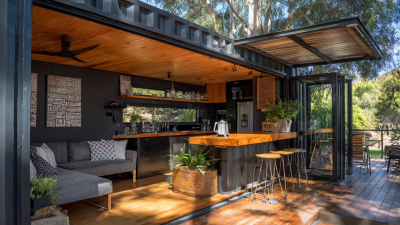
How to Start Shipping Container Living in 5 Easy Steps?

Shipping container living has become a popular solution for many seeking affordable and sustainable housing. The concept involves converting shipping containers into functional homes or living spaces. This method not only reduces waste but also offers a unique aesthetic. There are countless examples of shipping container homes that showcase creativity and practicality.

However, diving into shipping container living isn’t straightforward. There are challenges you must address. Zoning laws vary across regions, and you may face restrictions. Designing a space that is both livable and stylish requires thoughtful planning. You may find yourself navigating unexpected issues during the conversion process. Reflecting on these potential hurdles is essential for a successful transition.

In the following sections, we will walk through key steps to kickstart your journey into shipping container living. These steps will provide guidance while highlighting both advantages and obstacles. Ultimately, embracing this lifestyle can lead to innovative living solutions if approached with care and consideration.

How to Start Shipping Container Living in 5 Easy Steps?

Choosing the Right Shipping Container for Your Living Space

Choosing the right shipping container is crucial for your living space. Several factors can influence your decision. Start by considering the size. Standard options are 20 feet or 40 feet long. A smaller container may limit your space, while a larger one can accommodate more furniture and amenities.

Inspect the condition of the container. Look for rust, dents, and areas of weakness. A damaged container might require extensive repairs. Check if it has proper sealing to protect against leaks. Additionally, consider insulation needs depending on your climate. Containers can get very hot or cold without insulation.

Think about modifications you might need. Windows, doors, and ventilation can greatly enhance your living experience. Some people adapt containers into open plans, while others prefer divided spaces for privacy. Be mindful that these changes can increase costs and time. Overall, careful selection and planning can lead to a comfortable and unique living space.

How to Start Shipping Container Living in 5 Easy Steps? - Choosing the Right Shipping Container for Your Living Space

Dimension Size (ft) Weight (lbs) Cost ($) Ideal Use
Standard Container 20 4,500 2,000 Basic Living Space
High Cube Container 40 8,000 4,000 Extended Space
Refrigerated Container 20 5,000 3,000 Cold Storage Living
Open Top Container 40 8,800 4,500 Unique Conversions
Flat Rack Container 40 7,000 3,500 Heavy Items Storage

Planning and Designing the Layout of Your Container Home

When planning and designing the layout of your container home, consider the space carefully. Each container has specific dimensions. Popular sizes include 20 feet and 40 feet. Think about how these spaces will cater to your lifestyle needs. Open floor plans can create a spacious feel, while designated zones enhance functionality.

Natural light is important, too. Large windows and strategic openings can make a big difference in a container. Aim for a balance between insulation and ventilation. Your layout should allow for efficient heating and cooling, especially in varied climates. Utilize outdoor spaces as extensions of your living areas. Decks and patios can offer additional room for relaxation or entertainment.

Be mindful of structural integrity when designing. Containers are sturdy, yet modifications can weaken their framework. Research any necessary reinforcements. Embrace imperfections in the design process—this will lead to a unique, personalized space. Reflect on your priorities; not every idea will translate into a practical design. Allow flexibility in your plans, as adjustments may be needed along the way.

Essential Insulation and Ventilation for Comfortable Living

Creating a comfortable living space in a shipping container requires attention to insulation and ventilation. Proper insulation is essential for temperature regulation. You want to keep your container warm in winter and cool in summer. Options like spray foam or rigid foam board can be highly effective. Consider the container's location and climate when choosing materials. It’s crucial to avoid over-insulation, which can trap moisture and cause issues.

Ventilation is equally important. Poor airflow can lead to humidity and unpleasant odors. Installing vents or windows helps maintain fresh air circulation. You can also consider using exhaust fans. These elements can prevent condensation inside the container. Make sure to design the ventilation strategically, allowing airflow without compromising security. Sometimes, the layout might need adjustments to get it right.

As you plan, remember that trial and error is part of the process. Each container is unique, and what works for one may not work for another. Regular maintenance checks will help you identify any potential problems early. Being attentive to these details can significantly enhance your container living experience.

Permits and Regulations for Shipping Container Homes

When considering shipping container living, understanding permits and regulations is crucial. Every region has specific codes governing construction. These rules ensure safety and compliance. Many people overlook this aspect during planning, which can lead to costly setbacks.

Before you begin, check local zoning laws. Some areas restrict container homes or require special permits. Understanding these rules helps avoid fines and delays. Engage with local authorities early in the process. They can provide insights on necessary inspections and legal requirements.

Tip: Document all communications with officials. This can serve as proof of your compliance efforts.

Make sure your container home meets building codes. Insulation, plumbing, and electrical work must adhere to standards. Homeowners may need to invest in proper insulation materials to meet energy efficiency regulations. Addressing these requirements upfront is essential.

Tip: Consult with a builder experienced in container homes. Their knowledge can save time and money. Always stay informed about any changes in local regulations. Regulations can evolve, affecting your housing plans.

Furnishing and Decorating Your Container Living Space

Furnishing and decorating a shipping container living space requires careful thought and creativity. Start by considering the layout. You have limited space. Opt for multifunctional furniture. A sofa bed can save room while providing comfort. According to a recent industry report, up to 60% of container dwellers find efficient use of space crucial for their lifestyle.

Next, think about lighting. Natural light is essential. Large windows can brighten the space and create an inviting atmosphere. If natural light is limited, consider using light-colored walls and strategically placed mirrors. Research shows that proper lighting can improve mood and perception of space. This is an important aspect for those living in smaller areas.

Choose decor that reflects your personality but remains practical. Plants can add life and color. They also help improve air quality. Reports indicate that biophilic design can enhance well-being by 15%. Keep in mind, decorating should balance aesthetics and functionality. You may find that some decor items take up more space than intended, requiring adjustments later. Thoughtful decisions in this phase can lead to a more enjoyable living experience in your container home.

Contact Us