Tips for Creating a Stylish Shipping Container Living Space?

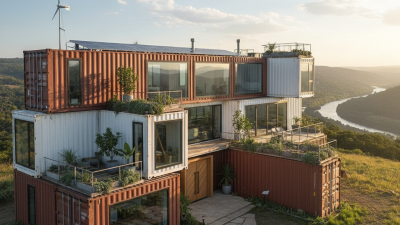
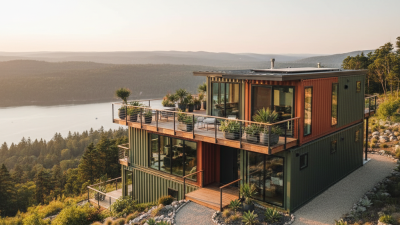
Creating a stylish shipping container living space can transform the way we think about housing. This innovative approach to residential design has caught the attention of many, including expert architect Sarah Johnson. She once stated, "A shipping container living space can be both functional and aesthetically pleasing." Her insight reflects the growing trend of using repurposed materials.

The charm of a shipping container lies in its versatility. You can customize the interior to fit your style, from minimalist designs to vibrant decor. Incorporating natural light, effective insulation, and clever layouts can greatly enhance the appeal. However, it’s important to consider potential challenges, like ventilation and space optimization.

Many people jump into this trend without thorough planning. Mistakes often occur when space is poorly utilized. A well-designed shipping container living space requires reflection on both style and functionality. Exploring different design inspirations and gathering expert advice can lead to a successful transformation.
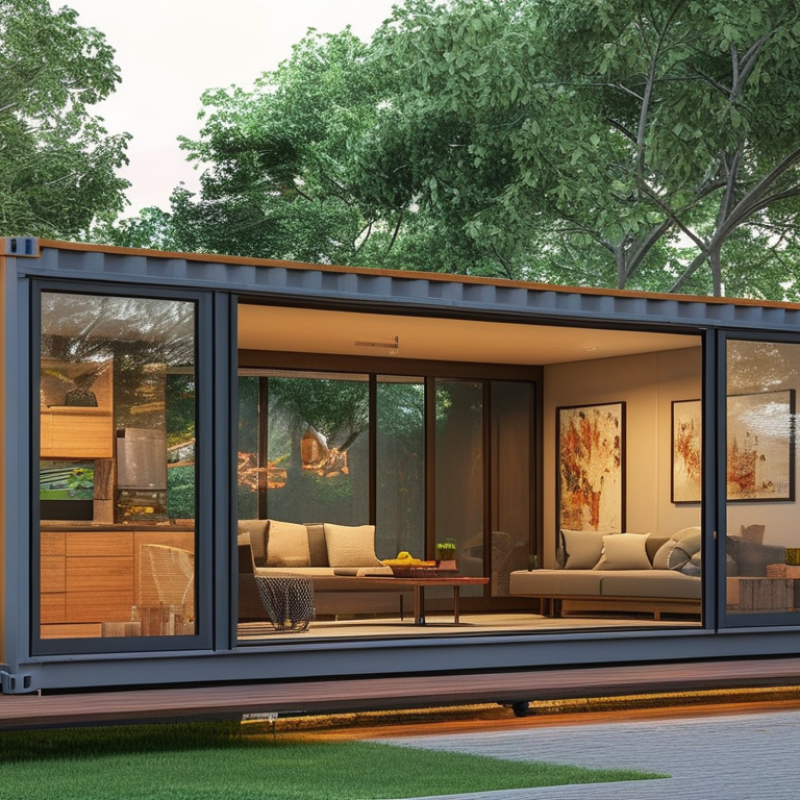
Tips for Creating a Stylish Shipping Container Living Space?

Choosing the Right Shipping Container for Your Living Space

Choosing the right shipping container is crucial for your living space. Begin by assessing your needs. Consider the size of the container. A standard 20-foot container can offer a cozy space, while a 40-foot option provides more room. Think about how you plan to use the space. Will it be a full-time home or a vacation retreat? This decision will guide your choice.

Next, inspect the container's condition. Look for rust or structural damage. These issues can affect your living experience. Consider how you'll insulate the container. Proper insulation is key for temperature control. A well-insulated container can be comfortable in any climate.

Lastly, be mindful of aesthetics. A plain container can feel stark. Think about exterior finishes and paint. Incorporating windows can bring natural light into the space. Reflect on what feels homey to you. Choosing the right container is a mix of practicality and personal style. Make choices that resonate with your vision.

Designing an Inviting Interior Layout with Accessible Spaces

Creating an inviting interior layout in a shipping container requires thoughtful design. The unique structure allows for creative use of space, but accessibility must remain a priority. Reports indicate that well-designed homes can enhance daily living. A study showed that 70% of residents prefer open layouts to foster a sense of community.

One effective tip is to use multifunctional furniture. Choose pieces that serve multiple purposes. For instance, a sofa bed can create a cozy sleeping area. Another vital element is lighting. Natural light makes spaces feel larger. Install large windows to achieve this.

However, many underestimate the importance of storage. Crafting hidden storage options can reduce clutter. Shelving units can also serve as room dividers. This creates a sense of openness while providing needed organization. Remember, comfort and style should work hand in hand. A well-thought-out space could significantly improve overall well-being.

Tips for Creating a Stylish Shipping Container Living Space

Incorporating Natural Light and Ventilation in Container Homes

Creating a stylish shipping container living space involves thoughtful design, especially when it comes to natural light and ventilation. To enhance your container home, consider strategically placing windows and skylights. These features not only bring in sunlight but also create a sense of openness. Large glass doors can blur the line between indoor and outdoor spaces. They allow the beauty of the surroundings to filter into your home.

Incorporating natural ventilation is equally important. Cross-ventilation can be achieved by installing windows on opposite sides of the container. This promotes airflow, keeping the space fresh and comfortable. You might experiment with different window sizes and placements to see what works best. Remember, creating a breathable environment enhances overall well-being.

Tips for crafting your space: Use lighter colors for walls and furnishings to reflect light. Incorporate plants to improve air quality and add a pop of color. Think about placing your container in a way that maximizes sunlight exposure throughout the day. This approach not only improves aesthetics but also reduces the need for artificial lighting. Reflect on your design choices to ensure they truly meet your lifestyle needs.

Selecting Stylish and Functional Furniture for Small Areas

Creating a stylish living space from a shipping container can be a rewarding project. One of the most challenging tasks is selecting furniture that is both stylish and functional. In small areas, every item must serve a purpose without compromising on aesthetics.

Begin with multipurpose furniture. A sofa bed can transform a living area into a guest room at night. Consider a coffee table with storage underneath. This will help keep the space organized while adding character. Be mindful of scale, too. Large furniture can make the space feel cramped. Instead, opt for sleek designs that complement the container's modern vibe.

Accents play a vital role in small spaces. Bright-colored cushions add a pop of personality without overwhelming the area. Mirrors can create the illusion of more space. When selecting items, be aware of your personal style. It’s easy to get carried away and choose items that don't fit. Sometimes, less is more. Curate your collection carefully. Reflect on what you truly need and love. This thoughtful approach will ensure your shipping container home is both functional and stylish.

Maximizing Outdoor Space and Landscaping Around Your Container Home

Creating an inviting outdoor space around your shipping container home is essential. Begin by defining boundaries with natural elements. Use timber or stone to outline garden beds. This adds structure and frames your living area beautifully. A well-defined space can also create a sense of privacy.

Incorporate greenery to soften the container's hard edges. Choose native plants that thrive in your local climate. Planting shrubs and flowers enhances aesthetics. Consider a small vegetable garden for practicality. This offers food security while promoting a sustainable lifestyle. Remember, not every plant will thrive. Experimentation can lead to both failures and surprises.

Outdoor furniture choices should blend comfort and style. Opt for weather-resistant materials. Include a cozy seating arrangement and a dining area for entertaining. A fire pit can serve as a focal point. It invites relaxation and brings warmth on cooler evenings. Watch out for placements that block pathways. Thoughtful layout promotes flow between indoor and outdoor spaces.

Contact Us