Top Modular Container Buildings Innovations Transforming Urban Spaces?

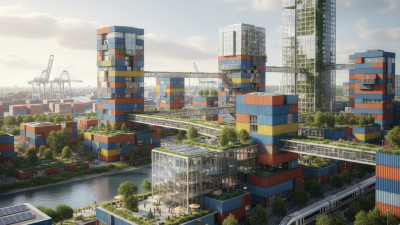
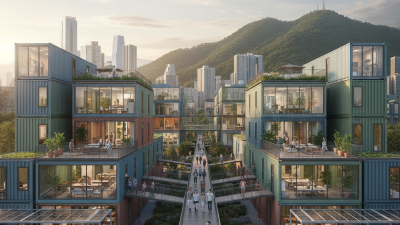
Urban spaces are evolving rapidly, and modular container buildings are at the forefront of this transformation. These innovative structures offer flexible solutions for housing, offices, and recreational spaces. Their design prioritizes sustainability and efficiency, addressing the growing need for adaptable environments in crowded cities.

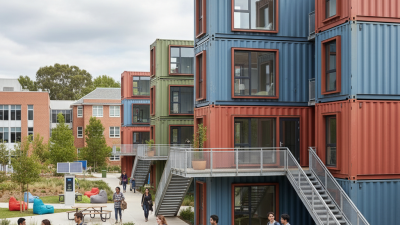
Modular container buildings provide an alternative to traditional construction. They can be assembled quickly and modified easily. Many urban planners see these structures as a way to tackle housing shortages. Some solutions emerge from creative use of shipping containers. These buildings can be eye-catching, blending function with style.

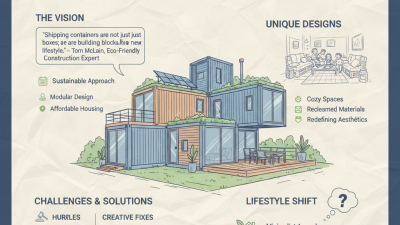
However, challenges remain. Local regulations may hinder their adoption. Additionally, community acceptance can be difficult. Not all cities are ready to embrace modular solutions. There’s still work to be done to fully integrate modular container buildings into urban planning. Moving forward, collaboration among architects, builders, and city officials will be crucial for success.
Top Modular Container Buildings Innovations Transforming Urban Spaces?

Modular Container Buildings: An Overview of Their Design and Functionality

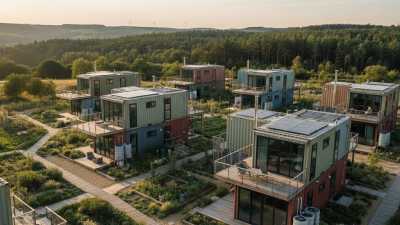
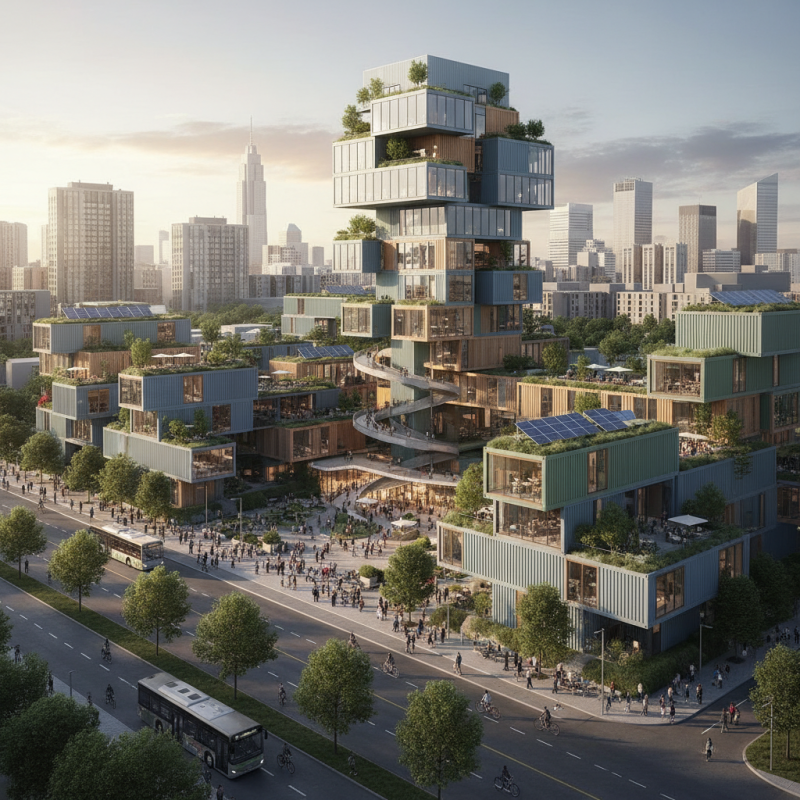
Modular container buildings represent a transformative approach to urban design. These structures maximize functionality while offering unique aesthetic appeal. Designers often use repurposed shipping containers, giving them new life. This sustainable method not only minimizes waste but also reduces construction time dramatically. Each container can be customized to meet specific needs, from residential units to commercial spaces.

Inside these containers, innovative designs optimize space. High ceilings and large windows create a feeling of openness. The use of modern materials enhances insulation and energy efficiency. However, challenges remain. The modular nature can limit certain architectural elements, and soundproofing between units is often a concern.

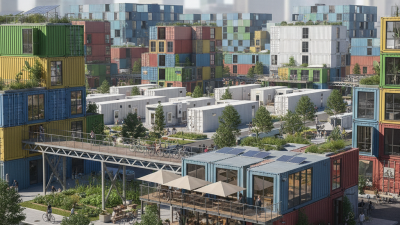
Communities can greatly benefit from this style of design. Pop-up cafes or temporary art studios can emerge in vacant urban lots, fostering creativity. Yet, the integration of these structures into existing cityscapes requires thoughtful planning. Balancing innovation with urban identity is crucial. Each installation must respect the local environment while still pushing design boundaries.
Key Innovations in Modular Container Technology for Urban Development

Modular container buildings are changing urban landscapes. They are versatile structures made from repurposed shipping containers. This innovative approach leads to eco-friendly designs. They can be assembled and disassembled quickly, making them perfect for cities with evolving needs.

One key innovation is the integration of smart technology. Many modular units now feature solar panels and energy-efficient systems. This reduces their carbon footprint significantly. Moreover, modular designs allow for adaptive reuse. Container buildings can transform vacant lots into vibrant community spaces or affordable housing solutions.

Yet, challenges remain. The standard dimensions of containers may limit creativity. Cities also face zoning and regulatory hurdles. To truly realize the potential of these buildings, we must address these issues. Engaging local communities in the design process could foster acceptance and innovation. This evolving field offers endless possibilities for urban development, but it demands careful consideration and collaboration.

Sustainability Benefits of Modular Container Buildings in City Planning

Top Modular Container Buildings Innovations Transforming Urban Spaces?

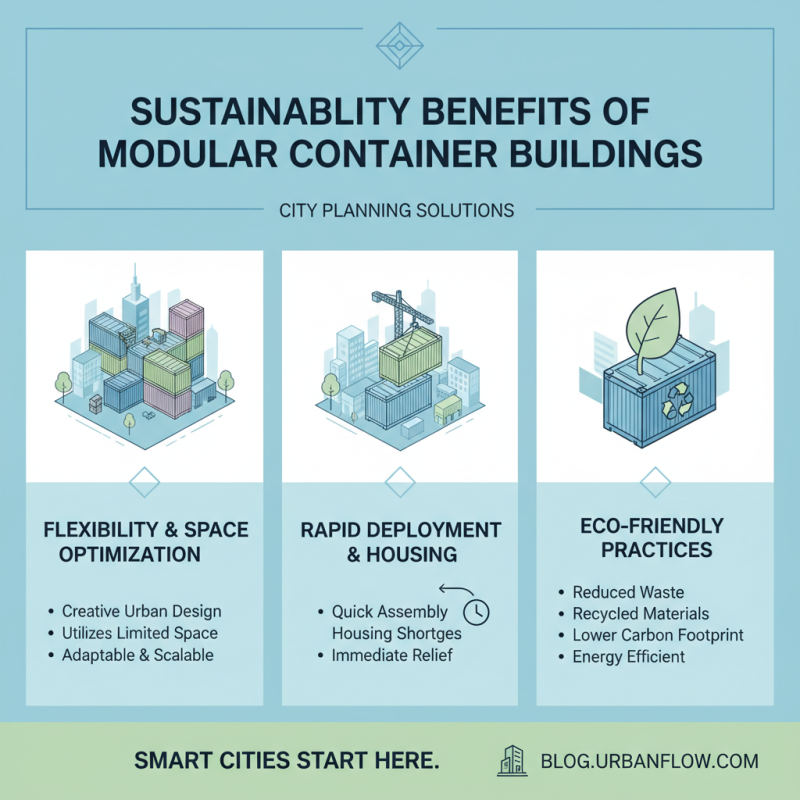
Modular container buildings offer a fresh approach to urban design. Their flexibility allows for creative solutions in limited spaces. Cities around the world are facing housing shortages. These structures can be quickly deployed where they are needed most. This method not only addresses immediate needs but also promotes sustainable practices.

Using recycled materials, modular units minimize waste. They can be stacked or combined, creating unique layouts. These buildings often use energy-efficient systems, reducing overall consumption. This innovation can transform underutilized lots into vibrant communities. However, there are concerns regarding aesthetics and integration with existing architecture. Some argue that modular buildings may clash with traditional urban designs.

Embracing modular container buildings requires careful planning. City planners must consider zoning laws and community needs. Engaging with local residents is crucial to creating inclusive spaces. In this process, cities might face resistance from those who value historical designs. Balancing sustainability and community identity will be a key challenge.

Case Studies: Successful Implementation of Modular Containers in Urban Areas

Modular container buildings are reshaping urban landscapes, offering innovative solutions for various needs. Cities around the world have seen successful implementations that blend functionality and aesthetics. For instance, in one city, a cluster of modular units was converted into affordable housing. This project provided shelter for those in need, yet it faced challenges with zoning regulations. The design was praised, but some community members were skeptical of their permanence.

In another case, a modular office space emerged in a bustling downtown area. Built rapidly to address high demand, it used eco-friendly materials. However, initial feedback highlighted sound insulation issues. The developers quickly responded, ensuring that adjustments were made for future projects. These examples reflect the creativity and flexibility modular building offers. They also remind us that every innovation comes with hurdles that require ongoing attention and adaptation.

Future Trends in Modular Container Building Transformations and Urban Spaces

The rise of modular container buildings is reshaping urban landscapes. These structures are both innovative and sustainable. A report from McKinsey indicates that modular construction can reduce project timelines by up to 50%. This is crucial in urban areas where time is money. The flexibility of container buildings allows for quick assembly. They can be easily relocated, which is beneficial for evolving city needs.

Future trends highlight the integration of smart technologies. Data from the International Energy Agency shows that energy-efficient designs can cut energy consumption by 30%. Incorporating solar panels and green roofs can enhance sustainability. However, the quality of materials used remains a concern. Subpar choices can lead to buildings that do not last long.

Urban spaces will continue to diversify. Cities are expected to see an increase in pop-up shops, housing, and community centers made from containers. In 2022, 30% of urban development projects included modular components. This trend raises questions about design norms and regulatory frameworks. Cities must consider how to integrate these structures seamlessly into existing infrastructure. Not all areas may be ready for such transformations, highlighting the need for mindful planning.

Top Modular Container Buildings Innovations Transforming Urban Spaces

Contact Us