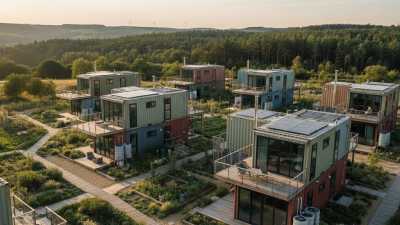
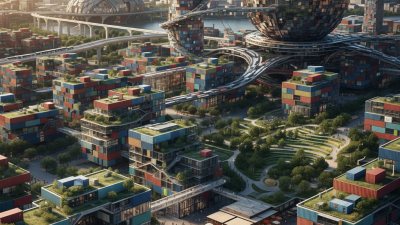
Modular container buildings are transforming the construction landscape globally. These structures offer flexibility, sustainability, and cost-effectiveness. Industry expert Dr. Emily Chen, a leading architect in modular design, emphasizes, “Modular container buildings can significantly reduce construction time and waste.” Her insights highlight the rising popularity of these buildings among diverse buyers.
As urbanization accelerates, the demand for innovative housing solutions grows. Modular container buildings provide a viable answer. They are not just portable; they can be aesthetically pleasing too. Many designs focus on maximizing space and functionality. However, challenges remain. Some buyers may hesitate due to misconceptions about durability.
The key is to educate potential customers about the benefits. Modular container buildings can serve various purposes, from homes to offices. Each design comes with unique advantages and possible drawbacks. Exploration and reflection on these structures will help buyers make informed decisions. The future of construction lies in embracing these versatile solutions.
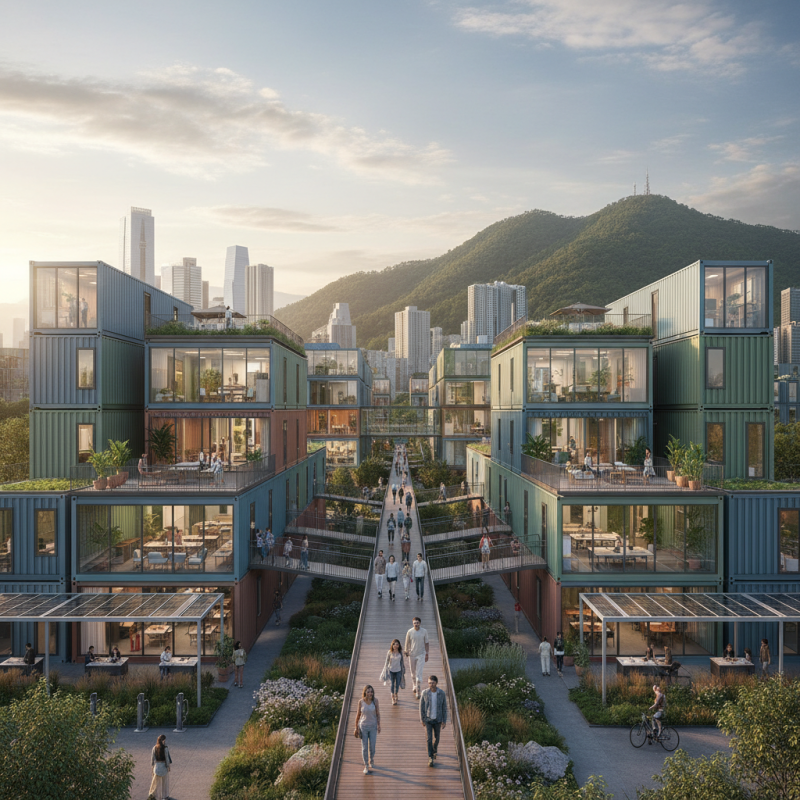
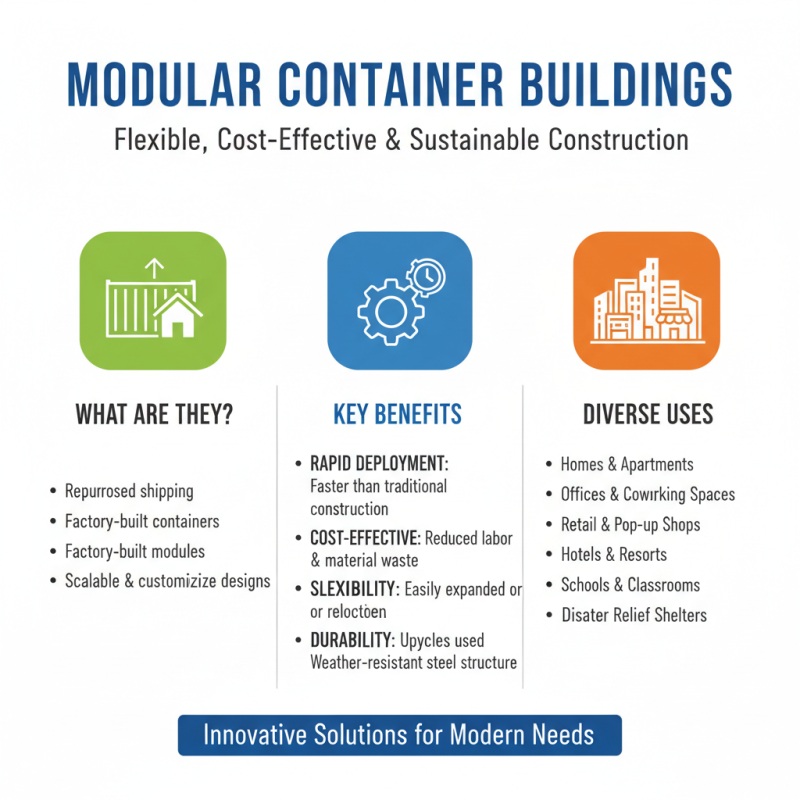
Modular container buildings have gained popularity across various sectors. These structures offer significant advantages in flexibility and cost-effectiveness. Built from repurposed shipping containers, they can be designed for diverse uses, from homes to offices and retail spaces. The modular design allows for quick assembly and disassembly, minimizing construction time and labor costs.
One major benefit is their sustainability. Using existing materials like shipping containers reduces waste and promotes eco-friendliness. They often come with insulation options, making them energy-efficient. However, it’s essential to consider local regulations when deploying these structures. Their aesthetics also require thoughtful design to blend with surrounding environments, presenting both challenges and opportunities for architects.
Despite their advantages, modular buildings can have limitations. For instance, structural modifications may be difficult once construction is complete. Buyers should pay attention to quality and insulation, which can vary. Additionally, there's a learning curve in understanding zoning laws applicable to container structures. Overall, while modular container buildings offer exciting possibilities, careful planning and execution are crucial for realizing their full potential.
Modular container buildings are gaining traction worldwide. They offer flexible solutions for various needs, from housing to offices. The global modular construction market is projected to reach $157 billion by 2026. This trend indicates a growing demand for adaptable spaces.
Designs that prioritize sustainability and functionality stand out. Eco-friendly materials and efficient energy systems are becoming standard. For instance, some structures now include green roofs and rainwater harvesting systems. These features enhance their appeal to environmentally conscious buyers. However, the integration of such technologies often increases initial costs, raising questions about long-term value.
A notable benefit is speedy construction. Modular buildings can be assembled in a fraction of the time. Reports suggest they can reduce build times by up to 50%. Yet, inconsistent regulations across regions pose challenges. Buyers may face varying codes that affect designs and overall feasibility. Attention to local standards is crucial for successful implementation.
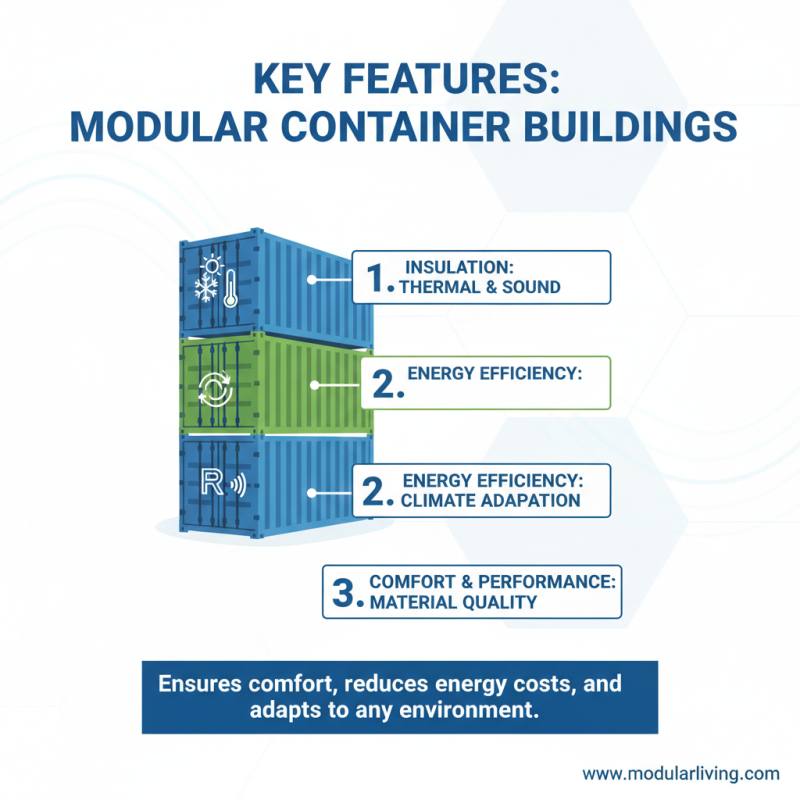
When selecting modular container buildings, consider key features that suit your needs. One crucial element is insulation. Proper insulation ensures energy efficiency and comfort. Look for materials that provide effective thermal and sound insulation. This affects how the building performs in different climates.
Another important factor is customization options. Modular buildings can be tailored to create functional spaces. Think about layout, windows, and door placements. Custom designs can enhance aesthetics and functionality. However, always weigh the benefits against potential added costs.
Lastly, evaluate transportation logistics. Modular units need to be delivered to your site. Consider the dimensions and weight. Ensure your location can accommodate the delivery. It’s essential to plan for these logistical challenges to avoid unexpected delays. Reflect on these features carefully to make informed decisions.
The global market for modular container buildings is evolving rapidly. These structures offer flexibility and cost-efficiency, making them appealing to various sectors. Industries such as construction, hospitality, and education are investing more in modular solutions. This trend reflects a shift toward sustainable building practices. Using recycled materials is a pivotal aspect of this movement.
However, challenges exist. Not all regions have the infrastructure needed for modular buildings. Transport logistics can be complex. The demand for skilled labor in assembly also poses a hurdle. There is an ongoing need for local training programs to bridge this gap. Often, projects face delays due to these issues.
Innovative designs are emerging, focusing on aesthetics and functionality. These buildings can be customized, catering to diverse client needs. From eco-friendly configurations to urban living spaces, options are vast. Yet, not every design matches the local climate or culture. It's crucial for buyers to consider these elements. As trends shift, the effectiveness of modular container buildings will largely depend on adapting to regional requirements and community feedback.
| Rank | Location | Usage Type | Size (sq ft) | Key Feature |
|---|---|---|---|---|
| 1 | Los Angeles, USA | Office Space | 2000 | Sustainable Design |
| 2 | Tokyo, Japan | Student Housing | 1500 | Space Optimization |
| 3 | London, UK | Retail Store | 1200 | Modular Expansion |
| 4 | Berlin, Germany | Emergency Shelter | 800 | Quick Assembly |
| 5 | Sydney, Australia | Cafeteria | 1800 | Eco-Friendly Materials |
| 6 | Toronto, Canada | Workplace | 2500 | Flexible Layout |
| 7 | Singapore | Healthcare Facility | 2200 | Efficient Space Use |
| 8 | Dubai, UAE | Luxury Apartment | 3000 | High-End Finishes |
| 9 | Paris, France | Art Gallery | 1700 | Unique Architecture |
| 10 | Cape Town, South Africa | Conference Center | 2800 | Multifunctional Use |
Modular container buildings have gained traction across the globe. They offer flexibility, speed of construction, and cost savings. Various case studies illustrate their successful implementation in different sectors, showcasing their potential.
One inspiring example is a community center built from shipping containers. It was completed in just two months. This center now serves as a hub for local activities and support services. The quick assembly allowed for immediate community engagement. However, challenges arose with insulation. Finding the right materials was crucial to ensure comfort year-round.
In another case, a healthcare facility utilized modular design to respond to urgent needs. It was constructed during a healthcare crisis, demonstrating efficiency. Despite the quick setup, some layout issues needed addressing post-construction. The project revealed that careful planning is essential for functionality.
**Tip:** Always involve local stakeholders during the planning phase. Their insights can prevent future adjustments and improve design effectiveness.
Creating modular buildings involves balancing speed and quality. The adaptability of these structures is remarkable, but reflection on initial plans is necessary. Not every design is perfect at first, and improvements often lead to better outcomes.
**Tip:** Regular feedback loops during construction can help identify problems early. This approach fosters a better end product.