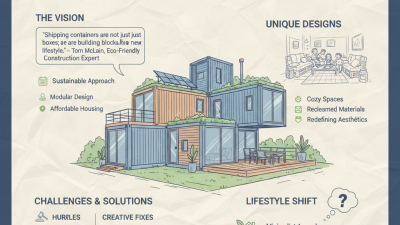
Living in a shipping container can seem daunting. However, with the right guidance, it can be an exciting journey. Expert Jamie Kauffman, a leader in the shipping container living industry, emphasizes, “It’s about creating a space that reflects you.” This mindset can help many embrace this unique lifestyle.
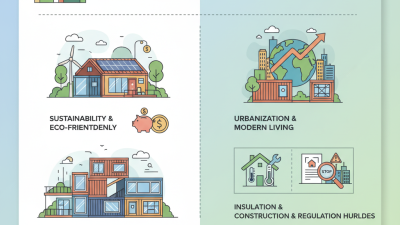
Shipping container living offers a creative way to downsize and live sustainably. Many are intrigued by its affordability and flexibility. However, it’s essential to consider local laws and guidelines before diving in. Understanding insulation, plumbing, and layout is crucial for a comfortable transition.
Every journey has challenges. You may face unexpected costs or design setbacks. Yet, these challenges provide opportunities for growth. Reflecting on your choices makes the experience rewarding. Embrace the adventure of transforming a shipping container into your dream home.

Living in a shipping container offers unique benefits. Containers are durable and affordable compared to traditional housing. They can be transported easily to different locations. This mobility appeals to many who desire a simple lifestyle. The potential for custom designs is exciting. People can create their ideal space with minimal effort. However, it's essential to consider the challenges.
One major drawback is insulation. Containers can become very hot or cold, depending on the climate. This requires careful planning when setting up heating and cooling systems. Additionally, plumbing and electrical work can be complex. Not all cities allow container homes, so it's crucial to check local regulations. Some might find the space limited. Living in a container may feel cramped for larger families.
Reflection is important when deciding on container living. While the concept is appealing, it requires commitment. It's not just about saving money; it's about embracing a different lifestyle. Space limitations can inspire creativity, but they may also lead to frustration. Weighing the pros and cons carefully is vital.
When considering living in a shipping container, evaluating size, location, and zoning regulations is vital. The right size for a container home often ranges from 20 to 40 feet. A 20-foot container offers about 160 square feet of space, suitable for minimalists or single occupants. A 40-foot container provides approximately 320 square feet, accommodating families or those wanting extra room. However, more space means higher costs and potential design challenges.
Location is equally critical. Studying the local climate is essential. Factors such as humidity, rain, and temperature can affect the container's durability and livability. In regions with heavy snowfall, proper insulation and roofing are necessary. Additionally, before making any decisions, verify local zoning regulations. Research shows that over 60% of potential container homeowners face zoning issues. Restrictions on land usage can prevent installations in residential areas. Navigating these laws can be complex and varies by municipality.
Assessing these elements early on can save time and potential financial burdens. Consider consulting local building authorities or resources. They can provide clarity on zoning laws and necessary permits. This information is crucial as regulations may affect your project timeline and budget. Even after thorough research, unexpected hurdles can arise. Be prepared for potential setbacks as you navigate this unique housing option.
This chart presents a visual analysis of various metrics used to assess the suitability of a shipping container for living purposes. The dimensions include size in square feet, a location score based on accessibility and amenities, and a zoning compliance score indicating how well the container aligns with local regulations.
Preparing a shipping container for living conditions requires careful planning. Many choose containers for their affordability and durability. A 2023 report shows that demand for container homes increased by 25% in urban areas. This growth indicates a trend toward sustainable living solutions. Yet, there are challenges to consider before making this choice.
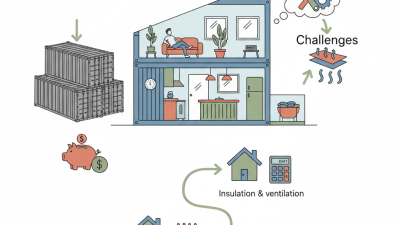
Start by insulating the container. External temperatures can fluctuate significantly. Proper insulation keeps the interior comfortable year-round. Materials like spray foam or rigid foam boards are common. They may require a higher initial investment, but they improve overall energy efficiency. A poorly insulated container can lead to excessive heating or cooling costs, so this step is vital.
Next, focus on ventilation. A container can become stuffy without proper airflow. Installing windows may help, but it's critical to balance natural light with fresh air. Using a mechanical ventilation system is another option. A study found that over 40% of container home occupants reported air quality issues. Addressing this concern upfront can avoid discomfort later.
| Step | Description | Estimated Time | Cost (Approx.) |
|---|---|---|---|
| 1 | Choose a suitable location | 1 day | $0 - $50 |
| 2 | Purchase or rent a shipping container | 1 week | $2,000 - $5,000 |
| 3 | Insulate and waterproof the container | 1 week | $500 - $1,500 |
| 4 | Install plumbing and electrical systems | 2 weeks | $1,000 - $3,000 |
| 5 | Furnish and decorate the interior | 2 weeks | $500 - $2,000 |
| 6 | Move in and make it home | 1 day | $0 |
Living in a shipping container can be an exciting adventure. However, it requires careful planning to ensure comfort. First, consider essential utilities such as water, electricity, and heating. A reliable water source is crucial. Install proper plumbing to support a kitchen and bathroom. If plumbing feels daunting, think about portable solutions or rainwater collection systems.
Electricity is another vital aspect. Many opt for solar panels to reduce energy costs. This requires upfront investment but pays off in the long run. Make sure to balance efficiency with your energy needs. Also, installing proper insulation is crucial for temperature control. Containers can get hot in summer and cold in winter, so think about insulation materials that work.
Don’t forget about fresh air and light. Proper ventilation helps prevent condensation issues. Windows and skylights can transform a dark space into a bright one. Decorating with personal touches makes a container feel more like home. Yet, remember to keep it practical; too much clutter can compromise space. A well-planned container home strikes a balance between comfort and simplicity.
Budgeting for a shipping container home involves various costs that can quickly add up. The initial investment includes purchasing the container itself, which varies based on size and condition. A used container can range from $1,500 to $5,000. This is just the beginning. You might face additional expenses for modifications, insulation, and plumbing. These costs can increase depending on your design and preferences.
Don’t overlook land costs and permits. Land prices fluctuate widely based on location. Check local regulations for building on such properties; this can impact your budget. Installation fees for utilities like electricity and water can be substantial as well. It's vital to research these to avoid surprises.
Consider your ongoing expenses too. Insurance for your container home might be higher than traditional homes. Maintenance is another factor; containers rust and may require repairs. While living in a shipping container is appealing, careful financial planning is crucial. Reflect on your choices and ensure they align with your long-term goals.