2026 Best 12 x 8 Container Types for Global Buyers?

For global buyers, choosing the best 12 x 8 container in 2026 requires more than comparing photographs and prices. The term can describe a compact storage or cargo unit, but supplier dimensions may differ. Always verify external size, internal clearance, door opening, floor loading, and certification before purchasing. Small measurement errors can disrupt loading plans.

Maritime logistics remains the foundation of international trade. UNCTAD’s Review of Maritime Transport 2024 reports that shipping carries over 80% of global merchandise trade by volume. That reality makes container selection a practical risk decision. A suitable unit must tolerate handling, weather exposure, stacking requirements, and repeated transport. ISO 668 provides a useful reference for container dimensions and classifications, while the International Convention for Safe Containers supports safety expectations for eligible freight equipment. Not every 12 x 8 container follows the same framework.

This guide compares insulated, refrigerated, open-sided, side-opening, high-security, flat-pack, and general-purpose designs. It considers steel thickness, corrosion protection, ventilation, payload, repair access, and total delivered cost. Drewry’s container market research and Container xChange availability insights also show why regional supply, repositioning costs, and equipment shortages can affect final prices. A low purchase quote may become expensive after inland delivery, customs handling, modifications, and site preparation. Very few options are perfect. The “best” choice depends on cargo sensitivity, route length, climate, handling equipment, and ownership plans. Buyers should challenge supplier claims, request technical drawings, and inspect critical components before payment. This comparison aims to make that process clearer, although specifications still require local verification.
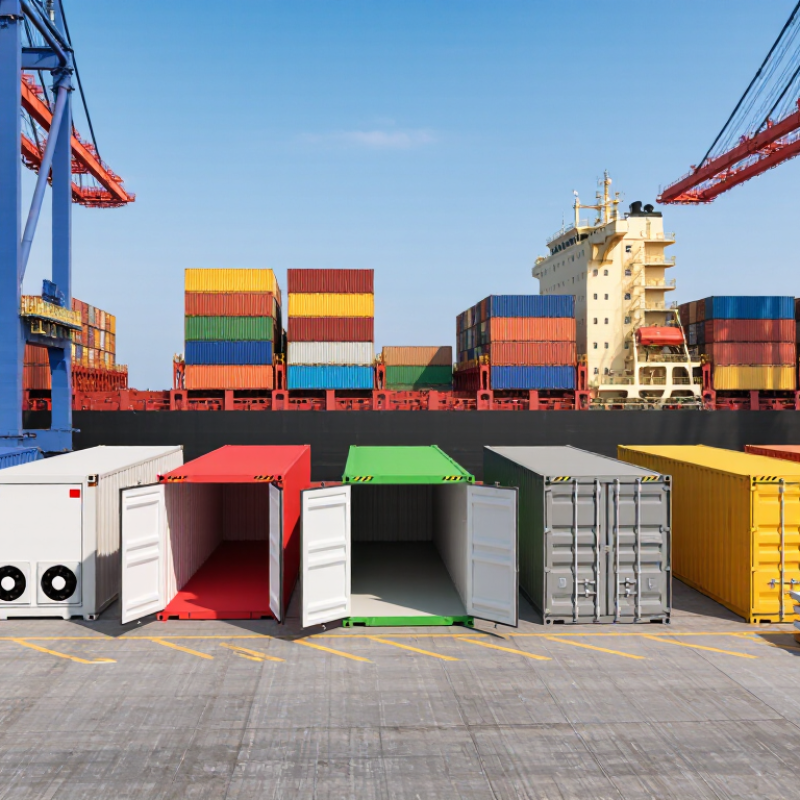
2026 Best 12 x 8 Container Types for Global Buyers?

12 × 8 Container Dimensions, Capacity, and Standard Features

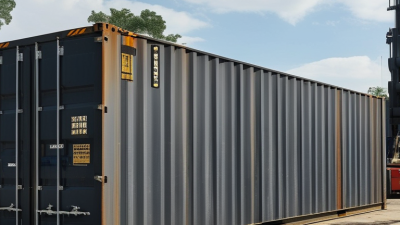
For global buyers, a 12 × 8 container usually means 12 feet long and 8 feet wide. Its external height is commonly 8 feet 6 inches. A high-cube version may reach 9 feet 6 inches. Internal dimensions are smaller, often about 11 feet 5 inches long and 7 feet 7 inches wide. Internal height usually measures near 7 feet 9 inches. Measure twice.

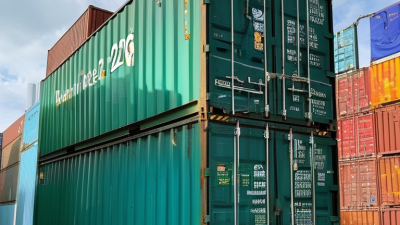
Usable capacity commonly falls between 500 and 540 cubic feet. Payload depends on the frame, floor, doors, and transport regulations. A standard dry container suits cartons, tools, furniture, and general equipment. An insulated type helps reduce temperature changes, but it is not automatically a refrigerated unit. A side-opening design improves access for wide items. That matters on busy sites. Open-top models can handle tall cargo, although weather protection becomes weaker.

Standard features often include corrosion-resistant steel walls, timber flooring, locking door bars, ventilation openings, and corner lifting points. Buyers should inspect door seals, welds, floor condition, and the container’s identification plate. Field checks often reveal problems that photos hide. A clean exterior can still conceal damp flooring. Capacity figures also vary between manufacturers and construction methods. Request a technical drawing before ordering. Leave working clearance around pallets, because theoretical volume rarely equals practical loading space. Safety depends on balanced loading and secure internal restraint. matimba

Major 12 × 8 Container Types and Their Practical Uses

A 12 × 8 container usually means approximately 12 feet long and 8 feet wide. This size is not a universal ISO category, so buyers must confirm external dimensions, payload, door clearance, and corner fittings. ISO 668 remains the key reference for container classification and dimensional requirements. UNCTAD’s Review of Maritime Transport 2024 reported that global seaborne trade grew 2.4% in 2023. That growth increases demand for flexible, smaller cargo units.

The dry container suits cartons, tools, furniture, and packaged machinery. It offers the simplest handling and usually the lowest operating cost.

A reefer container protects seafood, produce, and pharmaceuticals within controlled temperature ranges. A small temperature display is useful, but it does not replace calibration records.

Open-top models handle tall machinery and loose bulk cargo, especially when cranes load materials from above.

Flat racks support engines, pipes, and oversized equipment, although exposed cargo needs careful securing.

Tank containers transport approved liquids and require compatible linings, pressure checks, and trained operators.

Choosing by cargo shape alone is risky. Real loading trials often reveal wasted floor space or excessive axle weight. Buyers should request inspection certificates, tare weight, internal measurements, and CSC-related documentation before booking international transport.

Material, Design, and Performance Differences Across Container Models

2026 Best 12 x 8 Container Types for Global Buyers?

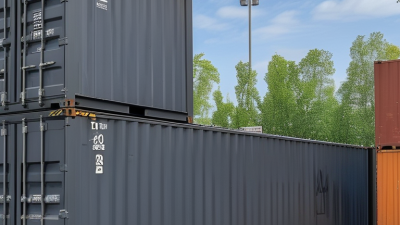
A 12 x 8 container is often a custom format, not a universal ISO size. Buyers should confirm external dimensions, internal clearance, door opening, and payload before comparing prices. Standard dry models usually use weathering steel panels, offering strong impact resistance and easier repairs. Aluminum versions reduce tare weight, but dents and galvanic corrosion require closer inspection. ISO 668:2020 remains a useful reference for dimensional discipline, even when the container is non-standard.

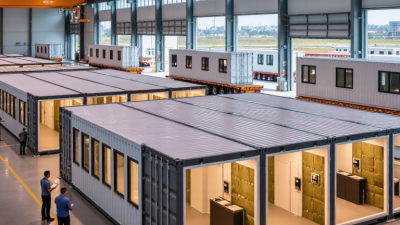
Design changes performance sharply. Insulated models use sandwich panels, sealed joints, and insulated doors to slow heat transfer. They suit temperature-sensitive storage, but insulation reduces usable width. Ventilated designs help airflow around timber, machinery, or agricultural goods. They cannot replace active cooling. A high-roof structure creates more headroom, yet its taller profile may increase wind exposure during handling. Small details matter, too. Check floor treatment, corner posts, lashing points, drainage, and lock-bar alignment.

UNCTAD’s Review of Maritime Transport 2024 reported approximately 858 million TEU in global container port throughput during 2023. That scale reinforces the value of standardized handling features, even for custom 12 x 8 units. The World Steel Association notes that corrosion protection and coating quality strongly influence steel service life. In practice, paint alone is not enough. Coastal buyers may need better surface preparation and underside protection. I would not assume a thicker panel always performs better; poor joints can defeat good material. Temperature tests, water-ingress checks, and documented load ratings deserve more attention than appearance.

This comparison uses relative performance scores from 1 to 5 for typical 12 ft × 8 ft container configurations. Steel dry containers provide the strongest all-purpose durability, refrigerated units offer the best thermal control, and flat racks provide the greatest loading flexibility for oversized cargo. Actual performance depends on wall thickness, insulation, fittings, ventilation, and local engineering requirements.

How to Compare 12 × 8 Containers for International Shipping

How to Compare 12 × 8 Containers for International Shipping

A 12 × 8 container can suit compact machinery, retail stock, or project materials. However, its dimensions may not match standard ocean-container slots. Confirm external measurements, corner fittings, door clearance, and maximum gross weight before booking. UNCTAD’s Review of Maritime Transport 2024 states that shipping carries over 80% of global merchandise trade by volume. Small dimensional errors can therefore create expensive handling problems.

Compare container types by cargo sensitivity, loading method, and route conditions. Dry containers usually offer the simplest pricing for boxed, non-sensitive goods. Insulated units help reduce temperature changes, but they do not replace active refrigeration. Refrigerated containers need power at terminals and during transit. Open-top designs assist with tall cargo, while side-opening units improve forklift access.

SOLAS verified gross mass rules require accurate weighing before vessel loading. The World Bank’s Logistics Performance Index 2023 also links infrastructure, customs efficiency, and shipment tracking with logistics reliability.

Tips: Ask for a carrier-approved equipment drawing. Measure your pallet footprint twice. Check door height, floor rating, ventilation, and lashing points. A cheaper container can become costly when special handling applies. I have seen plans fail because internal space was treated as usable space. It is not. Also, route availability matters more than a perfect specification. Some ports may accept unusual equipment, but connecting vessels may not. Allow extra time for inspection, documentation, and possible transloading.

Regulations, Costs, and Buying Factors for Global Customers

For global buyers, a 12 x 8 container usually means a custom unit measuring approximately 12 feet by 8 feet. It is not automatically an ISO ocean container. ISO 668 mainly covers standardized container dimensions, including common 20-foot and 40-foot formats. Buyers should confirm internal size, external size, door clearance, payload, and lifting points. Small measurement errors can affect transport planning.

Regulation matters before price. The International Maritime Organization requires internationally transported containers to meet the CSC safety framework. A 12 x 8 unit without valid safety approval may face handling or shipping restrictions. UNCTAD reports that around 80% of global merchandise trade by volume moves by sea. Therefore, buyers should request inspection records, structural certificates, and material documentation. Local rules may also cover fire resistance, electrical systems, insulation, and temporary building use.

Costs include manufacturing, inland delivery, port handling, customs, insurance, and possible modification fees. Freight markets remain unstable; the Drewry World Container Index tracks major route changes and shows why a low factory quote can become expensive after booking. Ask for a landed-cost quotation. Specify steel thickness, floor loading, corrosion protection, ventilation, and warranty terms. I would not rely on photographs alone. They can hide floor damage and poor welds. The most practical choice is often not the cheapest one, though buyers sometimes learn this too late.

Contact Us