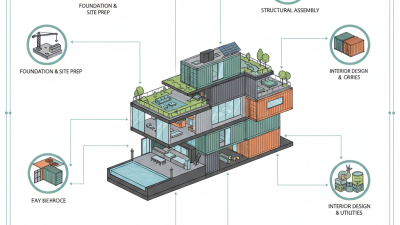
The rise of container condos is reshaping global real estate trends. As reported by the Global Housing Market Report 2023, container homes have surged in popularity. They offer cost-effective living solutions that appeal to diverse buyers. Container condos can reduce construction costs by up to 40%.
According to Dr. Emily Foster, a leading expert in sustainable architecture, "Container condos represent a shift in how we view urban living." This perspective aligns with growing consumer demand for eco-friendly housing. A study by the Urban Development Institute shows that 75% of millennials prefer sustainable living options. Yet, not all container condos meet quality standards. Buyers must research before investing.
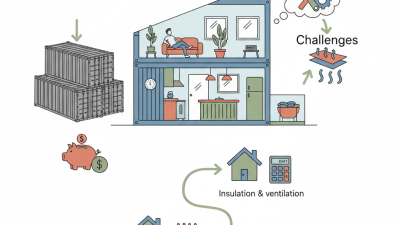
As container condos continue to gain traction, unique challenges arise. Some structures lack proper insulation or may have limited space. It's essential for potential buyers to weigh the benefits against these concerns.

Container condominiums present unique advantages for diverse global buyers. These innovative spaces appeal to individuals seeking affordable and flexible living solutions. Their modular design allows for easy customization. Buyers can choose layouts that best fit their lifestyle and needs.
The eco-friendly aspect of container condos is significant. These homes utilize repurposed materials, making them sustainable. This attracts environmentally conscious buyers around the world. Moreover, the quick assembly of these structures can save both time and construction costs. However, potential buyers must consider local zoning laws and building codes, as these can vary widely.
Urban dwellers find container condos particularly appealing. They are often located in vibrant areas with access to amenities. Many buyers appreciate the compact nature of these spaces. However, some may struggle with limited square footage. Reflecting on the balance between space and function is crucial for those interested in these living arrangements.
Container condos provide an innovative solution for affordable housing. They transform shipping containers into efficient living spaces. This concept appeals to global buyers seeking cost-effective living options. The price of traditional housing often discourages many. Container living offers a budget-friendly alternative without sacrificing quality.
These units are versatile and flexible. A single container can serve as a studio apartment. Adding more containers allows for larger family homes. This adaptability makes container condos attractive to various buyers. They are also quick to construct, reducing labor costs and time. However, prospective buyers should consider the long-term durability of these structures.
While container living promotes sustainability, it has challenges. Insulation and ventilation need careful planning to ensure comfort. Local building codes can complicate the process. Buyers might encounter zoning restrictions. It's crucial to do thorough research before committing to this lifestyle. Despite the drawbacks, many find container condos a compelling option in today's housing market.
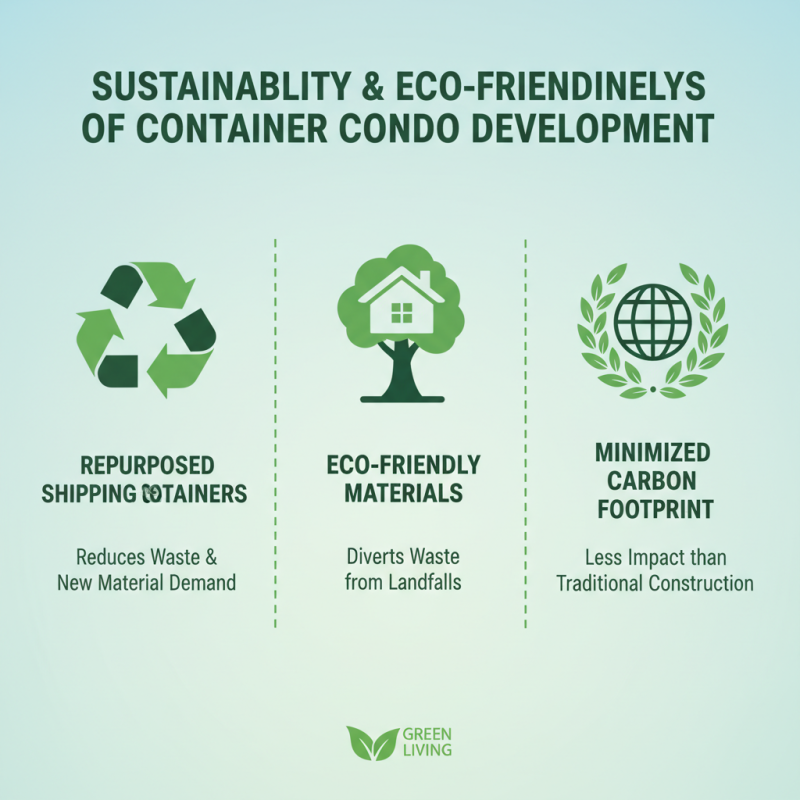
Container condos are gaining popularity among global buyers due to their unique sustainability features. These structures repurpose shipping containers, reducing waste and the need for new materials. By using materials that would otherwise end up in landfills, container condos champion eco-friendliness. They minimize the carbon footprint associated with traditional construction methods.
Sustainable design also includes energy efficiency. Container condos can be outfitted with solar panels and green roofs. These features harness renewable energy, promoting a lower environmental impact. However, not all container developments implement these eco-friendly principles effectively. Some projects may focus on aesthetics over sustainability, which can lead to missed opportunities for real environmental benefits.
The flexibility in design is another perk of container condos. These spaces can be adapted to various climates and landscapes. Yet, this versatility can pose challenges. Proper insulation and ventilation are essential to ensure comfort. Ideally, a successful container condo balances design and functionality. Buyers should be mindful of these aspects when considering their impact on the planet.
Container condos offer unique flexibility in design. Buyers can create spaces that reflect their personal style. From compact studios to multi-bedroom units, the customization options are vast. Industry data shows that 35% of container home buyers prioritize personal design aspects over traditional construction.
Sustainability is another key factor. Container homes typically use 50% less energy than conventional houses, according to a recent report from the Sustainable Housing Alliance. This energy efficiency is appealing to environmentally conscious buyers. However, it raises questions about long-term sustainability in the container living market.
Flexibility goes beyond design; it includes location choices. Containers can be placed in urban, rural, or coastal settings. However, zoning restrictions may limit where you can legally place a container condo. This uncertainty can be frustrating for potential buyers looking for their ideal space. As container living gains popularity, local regulations may need to adapt. Balancing flexibility and legal constraints remains a challenge for prospective container condo owners.
Container condos have gained popularity among global buyers due to their unique benefits. The portability and mobility of these structures make them an appealing choice for many. Easy transport allows owners to relocate without the need for extensive renovations. Buyers appreciate the flexibility this provides, especially in today’s fast-paced world.
When considering a container condo, remember that mobility isn’t without its challenges. Local zoning laws can affect where you place your unit. It is essential to research regulations in your desired area beforehand. This can save you time and resources in the long run. Additionally, installation can be complex. Ensure you hire professionals for setup to avoid costly mistakes.
Another key point is to consider the size and layout. While container condos are great for mobility, they can be limited in space. This may require creative solutions for storage and living needs. Think carefully about how to maximize every inch. Customizations can enhance comfort but may also increase costs. Balancing mobility with practicality is crucial when investing in a container condo.