In recent years, shipping container renovation has emerged as a popular trend for creating unique living spaces. Experts like Alex Johnson, a leading designer in this field, assert, “Shipping containers provide endless possibilities for innovative living solutions.” This adaptability has inspired many to rethink their approaches to housing.
The versatility of shipping containers is appealing. They can be transformed into anything from cozy homes to modern offices. However, challenges exist. Proper insulation and ventilation are crucial for comfort and sustainability. Poor execution can lead to issues, from dampness to inadequate heating. Careful planning and design are essential to ensure a successful outcome.
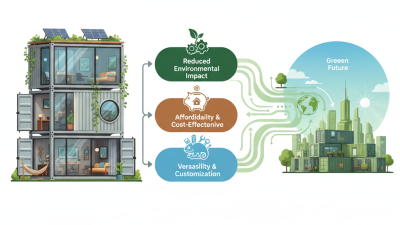
Moreover, the aesthetic potential is vast. Whether you prefer a minimalist look or a vibrant, artistic style, shipping containers can be tailored to fit your vision. This renovation approach not only promotes affordability but also sustainability. The challenge lies in balancing creativity with practicality. Striking that balance can yield stunning results, making shipping container renovation a compelling choice for future living.

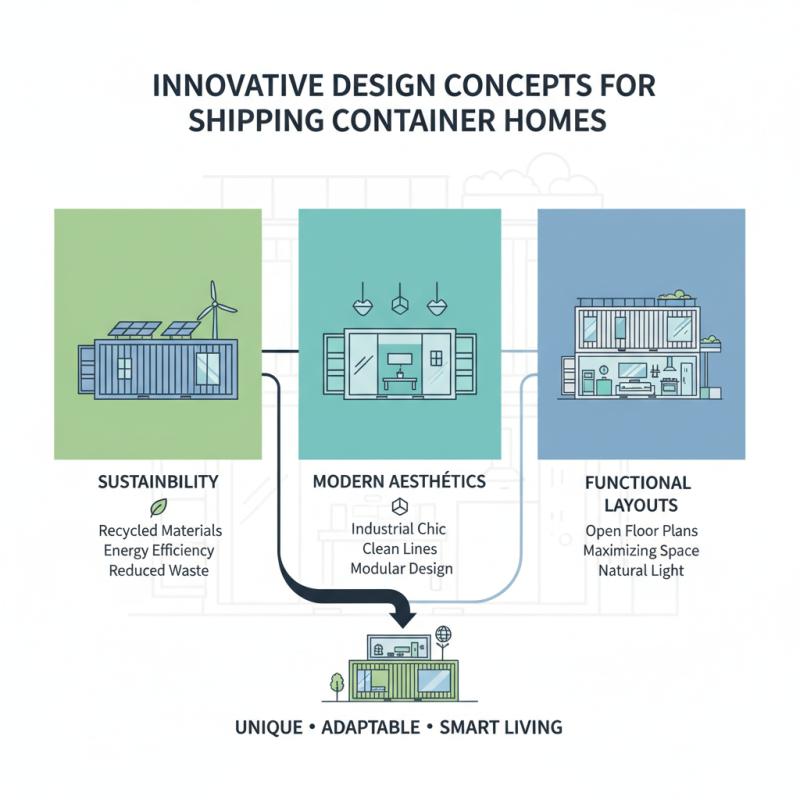
Shipping container homes are becoming increasingly popular for their unique design and sustainability. They offer an innovative approach to living spaces, blending modern aesthetics with functional layouts. Many designers are transforming these containers into stunning homes that capture attention. Open floor plans maximize space, while large windows allow natural light to flood in. The result is a bright and welcoming environment.
Tips for container renovations include focusing on insulation. Proper insulation is vital for temperature control. It prevents extreme heat or cold from entering the home. Consider using eco-friendly materials to create a sustainable living environment. Reclaimed wood for flooring adds warmth and character. Also, explore multifunctional furniture that optimizes limited space.
Another consideration is the integration of outdoor areas. Decks or patios can extend your living space beyond the container. Indoor gardens foster a connection to nature. However, be mindful of potential challenges, such as zoning regulations and structural integrity. Each container renovation journey presents unique obstacles, inviting homeowners to reflect on their initial ideas and adapt them as necessary.
When considering shipping container renovations, several features can significantly enhance the living experience. One primary aspect is insulation. Reports indicate that proper insulation can lower heating and cooling costs by up to 30%. A well-insulated container maintains a comfortable temperature, regardless of external conditions. This is crucial for energy efficiency and overall comfort.
Another critical element is the layout. The design should maximize space and flow. Shipping containers typically have a limited footprint; thus, clever use of vertical space is essential. Built-in shelving and multi-functional furniture can create an illusion of a larger area. Industry studies suggest that efficient use of space can improve the livability score of tiny homes by 40%.
Natural light is equally important. Incorporating large windows or skylights can enhance the aesthetic appeal and make the space feel more inviting. However, careful consideration is needed to balance light and privacy. One must also reflect on the need for adequate ventilation. Poor airflow can lead to dampness and mold, which are serious issues in container homes. Striking a balance between design and functionality is vital for a successful renovation project.
Sustainable practices in shipping container living spaces offer innovative solutions for eco-conscious homeowners. Using shipping containers is an excellent way to recycle materials that might otherwise end up in landfills. These structures can be transformed into cozy homes with minimal environmental impact. A few smart upgrades can enhance their sustainability, such as installing solar panels and rainwater harvesting systems.
Tips: Consider adding green roofs or walls. They not only improve insulation but also support local biodiversity. Reclaimed materials for flooring or fixtures can reduce resource consumption, making your home unique and eco-friendly.
To make renovations truly sustainable, utilize energy-efficient appliances. These devices consume less energy, minimizing your carbon footprint. Proper insulation is crucial; it keeps the internal temperature stable, reducing reliance on heating or cooling systems. While these practices require thought and investment, the long-term benefits are significant. Reflecting on our choices leads to better, sustainable living environments.
| Idea | Description | Sustainable Practices | Estimated Cost |
|---|---|---|---|
| Container Home | A cozy home made from a repurposed shipping container. | Utilizes recycled materials and reduces carbon footprint. | $30,000 - $60,000 |
| Office Space | An innovative workspace using a shipping container for entrepreneurship. | Promotes compact living and efficient use of space. | $20,000 - $40,000 |
| Guest House | A stylish guest house suitable for short-term rentals. | Incorporates energy-efficient appliances and solar power. | $25,000 - $50,000 |
| Community Garden Shed | A shed for gardening tools and community workshops. | Supports urban agriculture and local food production. | $5,000 - $15,000 |
| Pop-Up Cafe | A mobile cafe offering local dishes and drinks. | Minimizes waste by using eco-friendly products. | $15,000 - $25,000 |
When it comes to shipping container homes, the interior layout is key to maximizing space. You can create unique living areas by using smart design techniques. For instance, consider an open-plan living space that merges the kitchen and living room. This approach encourages flow and allows natural light to illuminate the space. You might choose multi-functional furniture, such as a dining table that can also serve as a workspace.
Another idea is to incorporate sliding walls to create flexible rooms. When closed, these walls can provide privacy. When open, they create an expansive area perfect for gatherings. Experimenting with vertical storage can also optimize limited space. Floating shelves and built-in cabinets can keep the floor clear, giving a spacious feel.
However, creating an inviting space can be challenging. Finding the right balance between aesthetics and functionality may require some adjustments. You may find that certain layouts don’t work as expected. It’s essential to remain adaptable and open to changes in your design. A container home should reflect your personal style while remaining practical for everyday living.
Creating a unique living space with shipping containers opens up exciting opportunities for landscaping.
Container homes offer a blank canvas for outdoor design that can greatly enhance their appeal. According to a report by the
American Institute of Architects, thoughtful landscaping can increase property value by up to
15%.
Incorporating natural elements around container homes can create harmony. Green roofs are one idea. They provide insulation
and reduce heat gain. Additionally, strategic placement of trees and shrubs can enhance privacy. However, it’s crucial to select
plants that are suited for your climate. Poor choices can lead to excessive maintenance
and wasted resources.
Consider pathways made from stone or reclaimed wood for a rustic touch. Outdoor seating areas encourage relaxation and connection
with nature. However, be mindful of your water usage in landscaping; it should balance aesthetics and sustainability.
Utilizing native plants can significantly reduce your irrigation needs, benefiting the environment while enhancing
home appeal. It’s a constant learning process, and choices should reflect personal style and ecological responsibility.