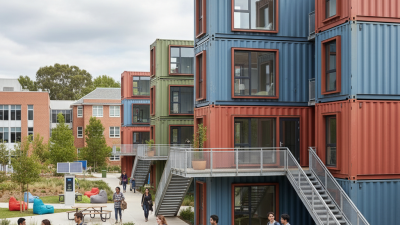
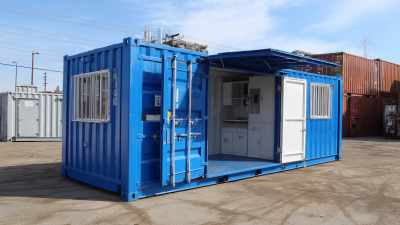
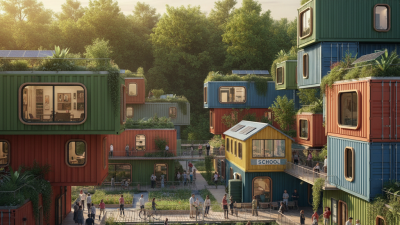
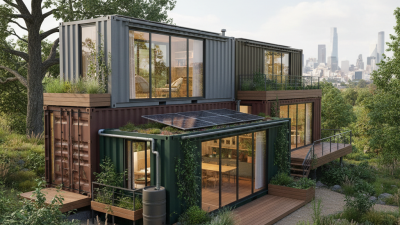
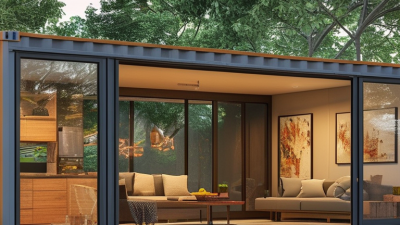
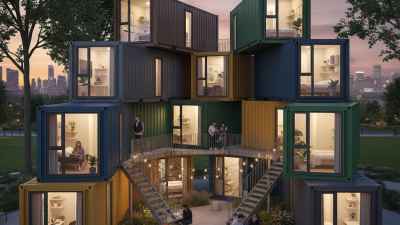
In recent years, the appeal of the 20 ft container cabin has surged among global buyers. This innovative solution offers a versatile and cost-effective alternative for various applications. Whether for temporary housing, office spaces, or storage, the 20 ft container cabin stands out.
With its compact design, this cabin can be easily transported and customized. Buyers can choose from various finishes and internal layouts, ensuring it meets specific needs. Importantly, these cabins are robust and durable, able to withstand challenging environmental conditions.
However, potential buyers should consider their specific requirements and local regulations. It's essential to reflect on the long-term sustainability of using a 20 ft container cabin. Demand for eco-friendly options continues to grow. There's always room for improvement in the design and functionality of these cabins. Explore this intriguing option, and discover how a 20 ft container cabin can transform your space efficiently.
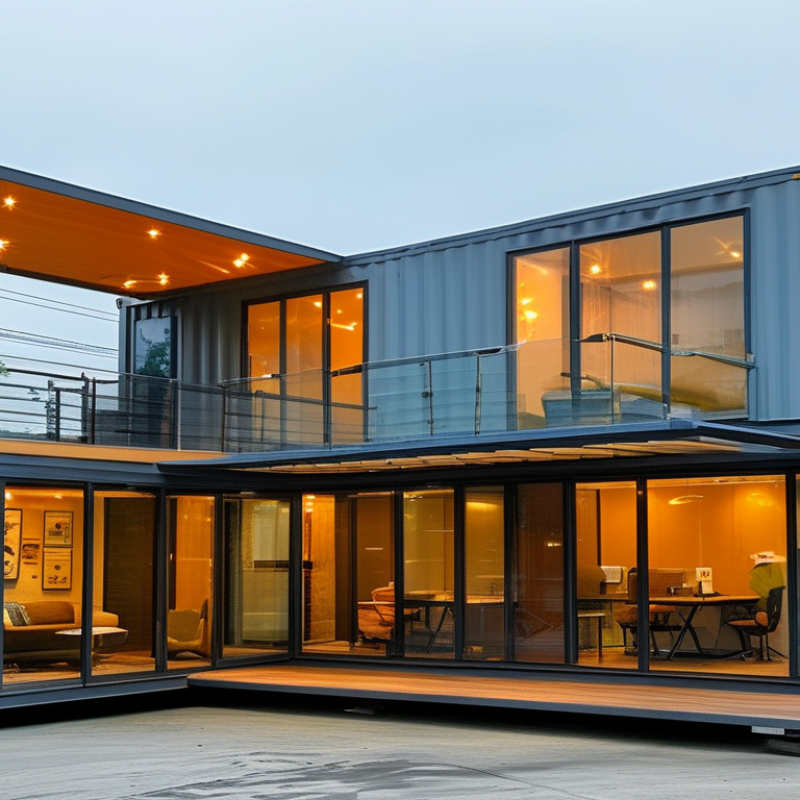
The 20 ft container cabin is a versatile solution for global buyers seeking modern living spaces. These cabins are portable, easy to set up, and can serve multiple purposes: from homes to offices or even temporary shelters. Their compact size makes them ideal for urban settings or remote locations where traditional buildings may be impractical.
These cabins are built to withstand the elements. They offer excellent insulation, keeping interiors comfortable in various climates. Buyers appreciate their durability and low maintenance. They are also eco-friendly, often made from recycled materials, appealing to environmentally conscious consumers.
Consider your space carefully. Measure the area to ensure the cabin fits well within your environment. Think about the intended use: will it be a home, workplace, or something else? The design can reflect your personal style. Keep in mind that while these cabins are highly efficient, they might not cater to everyone’s aesthetic preferences. They can feel utilitarian, which may need adjusting.
Planning to place a 20 ft cabin? Prepare for the installation process. Familiarize yourself with local building codes to ensure compliance. It's wise to consult with experts who have experience in container modifications. This can help in addressing any specific needs or concerns you may have.
The growing popularity of 20 ft container cabins reflects their diverse applications across various sectors. Whether for housing, offices, or even pop-up stores, these container cabins are transforming spaces. According to a report by Global Industry Analysts, the modular building market is expected to reach USD 157 billion by 2026, driven largely by the demand for innovative space solutions.
In residential settings, container cabins offer a cost-effective alternative to traditional housing. They can be customized to suit individual needs while requiring less time and labor for construction. This flexibility allows for rapid deployment, especially in areas facing housing shortages. However, it’s essential to consider local building regulations and environmental standards before installation.
Businesses are also tapping into the benefits of container cabins. They serve as portable offices, reducing overhead costs significantly. The adaptability of these structures means they can be relocated as needed, making them appealing for companies in dynamic industries. Yet, challenges remain regarding insulation and long-term durability. A focus on these aspects will be crucial for maximizing their potential in the future.
Cost-effectiveness is a primary reason why global buyers are turning to 20 ft container cabins. Compared to traditional structures, these cabins offer significant savings. According to a recent market report, the average cost per square foot for a container cabin can be nearly 50% lower than building with traditional materials. This makes them appealing for both temporary and permanent solutions. Using container cabins, businesses can reduce their construction time dramatically. They can be set up in days, while traditional buildings may take months. This quick turnaround can lead to faster project completion and revenue generation. Furthermore, the energy efficiency of container cabins is noteworthy. A study indicates that they often require less energy for heating and cooling than conventional buildings. This can lead to lower utility costs over time. When considering container cabins, think about customization options. You can add insulation, utilities, and other features to meet your needs. However, reflect on your site-specific requirements. Not all locations may be suitable for container-based structures due to zoning laws or logistical challenges. Before making a decision, evaluate the long-term implications of potential moving costs, maintenance, and durability.
The durability of 20 ft container cabins is impressive. These structures are engineered to withstand extreme weather conditions. Studies show that they can last over 25 years with proper maintenance. Their steel frames resist corrosion, making them a reliable choice for various environments.
Sustainability is another notable advantage. Container cabins are often made from recycled materials. According to the International Organization for Standardization, using repurposed shipping containers can reduce the carbon footprint by up to 50%. This is a significant consideration for eco-conscious buyers. While they are strong, inspections for wear are essential. Regular checks can prevent structural failures over time. Innovations in insulation and energy efficiency are emerging, albeit slowly.
The market for container cabins is growing rapidly. Research indicates the global modular construction market will reach $157 billion by 2023. While the trend is promising, some concerns remain. Not all container cabins meet high environmental standards. Buyers should research and ensure compliance with local regulations on construction materials. Overall, these cabins offer durability and sustainability for global buyers, yet due diligence is vital.
The 20 ft container cabin presents significant advantages for global buyers, particularly in terms of transport and modular setup. This compact solution is designed for ease of mobility. Shipping costs can be reduced due to its standardized size. It can fit conveniently on trucks, ships, or trains. In urban settings, the flexibility of repositioning these cabins is a game-changer.
Modular setup simplifies construction. Units can be stacked or connected to create larger spaces. This adaptability is particularly valuable in regions where rapid deployment is essential. For example, they can be quickly transformed from a workspace into living quarters. However, not all configurations work for every location. It’s crucial to assess the space and the intended use beforehand.
Despite its many benefits, container cabins have limitations. Insulation may be a concern in extreme climates. Proper ventilation is often necessary to maintain comfort. Buyers must consider these factors carefully. Achieving the perfect setup sometimes requires additional modifications. Balancing cost with functionality remains a challenge. Global buyers should weigh these aspects to fully maximize the advantages of container cabins.
The 20 ft container cabin offers a range of benefits for global buyers seeking versatile and practical solutions. These cabins can serve multiple purposes, from housing and offices to storage and recreational spaces, making them adaptable for various needs. Their cost-effectiveness is particularly notable when compared to traditional structures, allowing buyers to save on construction expenses while obtaining a durable and sustainable option that stands up to environmental challenges.
Moreover, the ease of transportation and modular setup of the 20 ft container cabin facilitates its use across different geographical locations, promoting efficiency in deployment. Additionally, these cabins provide customization options, enabling buyers to tailor the design and aesthetics to fit their unique requirements. Overall, the 20 ft container cabin represents a smart investment for those looking to combine functionality, affordability, and sustainability in their living or working environments.