How to Transform a Shipping Container into a Tiny Home?

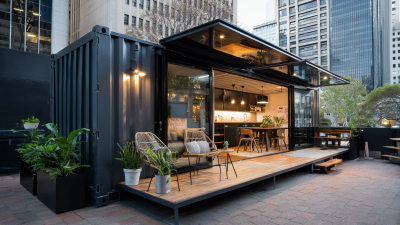
Transforming a shipping container into a tiny home is an exciting journey. The appeal lies in its unique design and eco-friendliness. Shipping container renovation can create a cozy, stylish space.

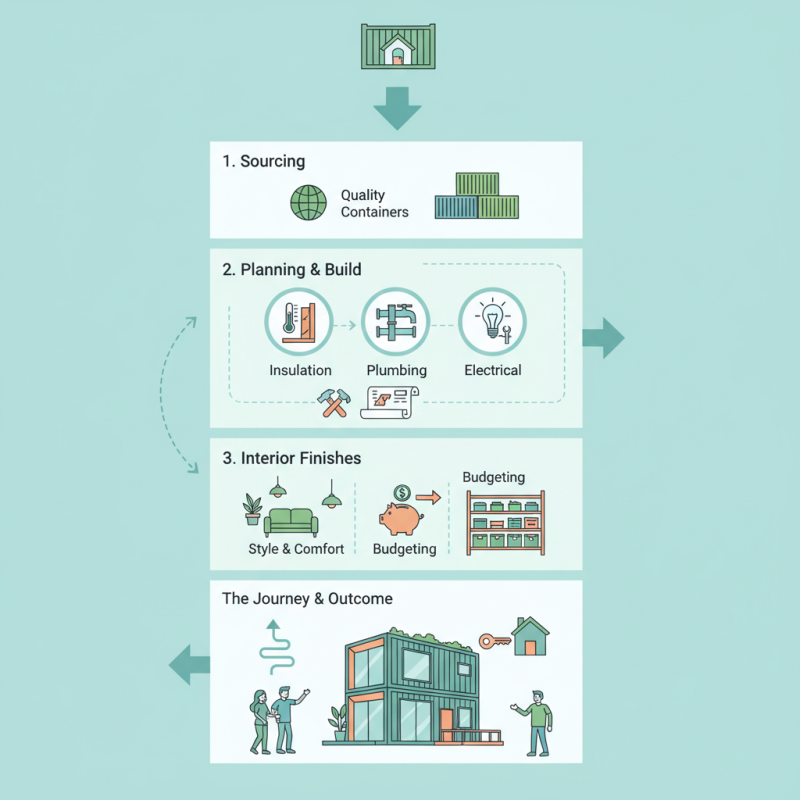
Many people underestimate the challenges of this process. Sourcing quality containers is crucial for success. Insulation, plumbing, and electrical work require careful planning. Interior finishes can reflect personal style, but they often stretch budgets. Small spaces need smart storage solutions.

Mistakes can happen. Sometimes, designs don't fit the reality of the space. Flexibility is vital to overcome unexpected obstacles. This renovation offers lessons in creativity and resourcefulness. Embrace the journey, and you’ll create a home that's both functional and individual.
How to Transform a Shipping Container into a Tiny Home?

Selecting the Right Shipping Container for Your Tiny Home Project

Choosing the right shipping container is crucial for your tiny home project. Start by considering the size. A standard 20-foot container might be enough for a small living space. However, a 40-foot container offers more room for creativity. Ensure that the container is structurally sound. Look for dents, rust, and signs of damage. These can affect your home’s integrity.

Next, think about the condition of the container. A new or “one-trip” container may cost more but requires fewer repairs. Used containers are cheaper, but they may have hidden issues. Inspect the floors and walls closely. Water damage can lead to mold or rot, impacting your living environment.

Remember to consider location and accessibility for your container. It needs to fit your future site’s dimensions. Think about transport costs, too. Some containers require special trucks for delivery. Weigh all factors carefully. Rushing this decision can lead to regrets later, as modifications can be costly and time-consuming. Make a choice that aligns with your vision and budget.
Designing the Interior Layout and Functionality of the Container Home

How to Transform a Shipping Container into a Tiny Home?

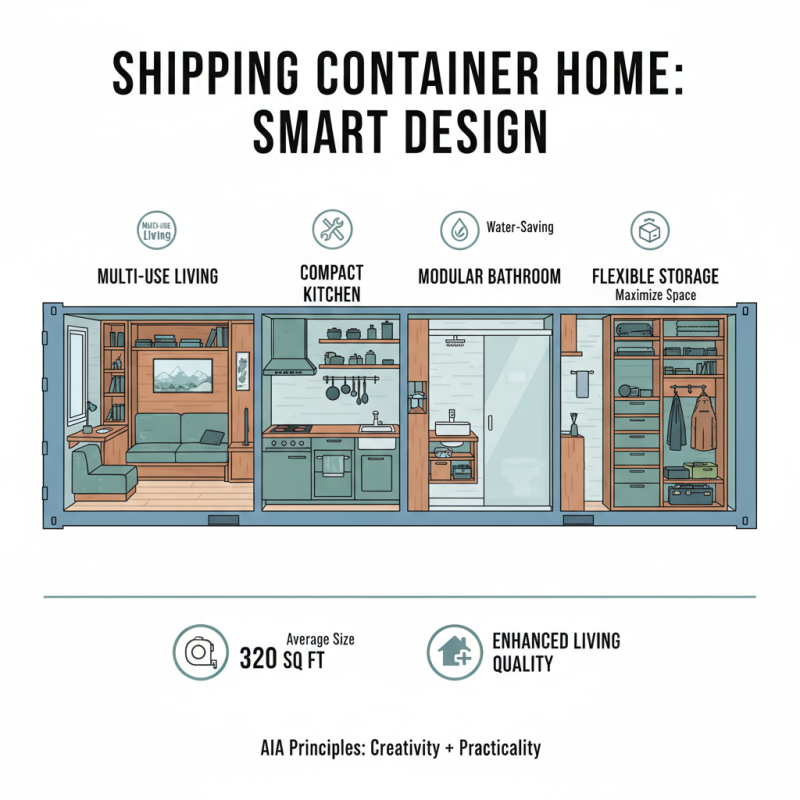
Designing the interior layout of a shipping container home requires creativity and practicality. With an average size of 320 square feet, space is limited. This calls for smart decisions in layout and functionality. According to the American Institute of Architects, well-designed small spaces can enhance overall living quality.

Tips: Prioritize multi-functional furniture. A foldable table can serve as both a dining area and a workspace. This approach maximizes usability without overwhelming the space.

Consider incorporating built-in storage. Utilizing vertical space helps keep the floor area open. You might choose shelves that double as room dividers. This creates distinct areas, making daily activities more efficient.

However, many first-time designers overlook the importance of natural light. Large windows or even skylights can transform the atmosphere. Artificial lighting can enhance functionality, but it cannot replace the feeling of openness. Remember, your container home should feel inviting. If it feels cramped, re-evaluating layout choices is essential.

Incorporating these elements can make a shipping container home not just livable, but enjoyable.

Essential Utilities: Plumbing, Electrical, and Insulation Considerations

Transforming a shipping container into a tiny home requires careful planning, especially for essential utilities. Plumbing is one of the first considerations. You'll need to decide on the bathroom and kitchen placement. Ensure the layout allows easy water access. An insulated water supply line is vital. Be cautious of freezing temperatures in winter. Include a simple drainage system, too.

Electrical considerations are equally important. Proper wiring will ensure your tiny home has enough power for appliances and lighting. Installing a small fuse box is a good start. Think about solar panels for a sustainable option. Light fixtures should be energy-efficient. Keep safety in mind with circuit breakers to prevent overload.

Insulation cannot be overlooked. Container walls are metal and lose heat quickly. Use spray foam or rigid board insulation to keep the space comfortable. Properly sealed windows will help maintain indoor temperatures. Ventilation is essential too. A lack of airflow can lead to mold or stuffiness. Balancing comfort and functionality can be tricky, but it's necessary for long-term living.

Essential Utilities for Tiny Home Shipping Container Renovation

This bar chart illustrates the estimated costs of essential utilities when transforming a shipping container into a tiny home. The costs reflect common expenses associated with plumbing, electrical wiring, insulation materials, and necessary permits and fees. Proper budgeting in these areas is crucial for a successful renovation.

Exterior Modifications: Windows, Doors, and Aesthetic Enhancements

Transforming a shipping container into a tiny home can be an exciting project. The exterior is the first impression. Windows and doors should be carefully chosen. Large windows allow natural light in, making the space feel larger. A sliding glass door can enhance accessibility and aesthetic appeal.

Consider installing awnings over windows. This adds character and provides shade. Painting the exterior can also create a fresh look. Bright colors can stand out in a neighborhood. Earthy tones blend well with nature.

**Tips:** Use reclaimed materials where possible. They can add charm and reduce costs. Ensure that all modifications are secure. Don’t rush the installation process. Reflect on your design choices. Will they withstand the test of time? Remember, functionality is key. An attractive exterior is great, but it should not compromise safety. Always plan before making cuts or changes.

Sustainable Practices and Off-Grid Living Tips for Container Homes

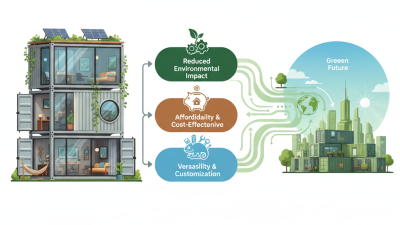
Transforming a shipping container into a tiny home promotes sustainable living. These homes use fewer materials, making them eco-friendly. According to a recent report by the International Institute of Environment and Development, tiny homes can reduce waste by up to 70%. This statistic highlights the minimal impact on the environment.

Off-grid living is another key aspect. By incorporating solar panels, you can harness energy from the sun. Rainwater harvesting systems are effective for water conservation. A study by the National Renewable Energy Laboratory shows that solar energy can save homeowners around $3000 annually. However, not all areas receive sufficient sunlight, which can affect energy production.

Choosing the right insulation is crucial. Improper insulation may lead to temperature fluctuations. Some owners face challenges with moisture and condensation. Using recycled materials in your build can mitigate this issue. It's vital to balance cost and quality. That said, the flexibility of design allows for creativity in small spaces. Finding innovative solutions can be a rewarding experience.

How to Transform a Shipping Container into a Tiny Home? - Sustainable Practices and Off-Grid Living Tips for Container Homes

Feature Details
Container Size 20 ft or 40 ft
Insulation Material Spray Foam or Rock Wool
Energy Source Solar Panels and Wind Turbines
Water Supply Rainwater Harvesting System
Waste Management Compost Toilet and Greywater System
Heating/Cooling Wood Stove and Ventilation Fans
Interior Design Open Layout with Multi-Functional Furniture
Security Security Cameras and Strong Locks

Contact Us