
China Top Virtual Architectural Rendering Services?

China’s architectural market is becoming more visual, competitive, and digitally coordinated. Developers now need convincing images before construction begins. A daylight exterior, a lobby perspective, or a furnished apartment can influence early investment decisions.

Professional reports support this shift. MarketsandMarkets estimates that the global 3D rendering and visualization market will grow from approximately US$3.6 billion in 2023 to US$9.0 billion by 2028. Its forecast reflects a compound annual growth rate near 20%. Grand View Research also reports strong expansion in 3D rendering and visualization, driven by real estate, architecture, gaming, and product design. These figures do not measure every Virtual Architectural Rendering project in China. However, they show why visual production has become a strategic service rather than a decorative expense.

Choosing among China’s top providers requires more than comparing sample galleries. Experience matters. A reliable studio should understand Chinese planning contexts, material details, local lighting conditions, and international client workflows. It should also explain revision limits, model ownership, delivery formats, and data protection practices. Look closely at the evidence. Can the team show consistent residential, commercial, and urban projects? Are the images technically accurate at close range? Do timelines remain realistic when design changes arrive late?

There is no universal ranking of China’s best rendering companies. That is worth admitting. A studio may create excellent images but struggle with communication or technical coordination. This guide therefore evaluates service quality, production expertise, portfolio depth, responsiveness, and transparent business practices. The goal is practical: helping architects, developers, and design firms select a capable partner for clear, persuasive, and buildable visual communication.
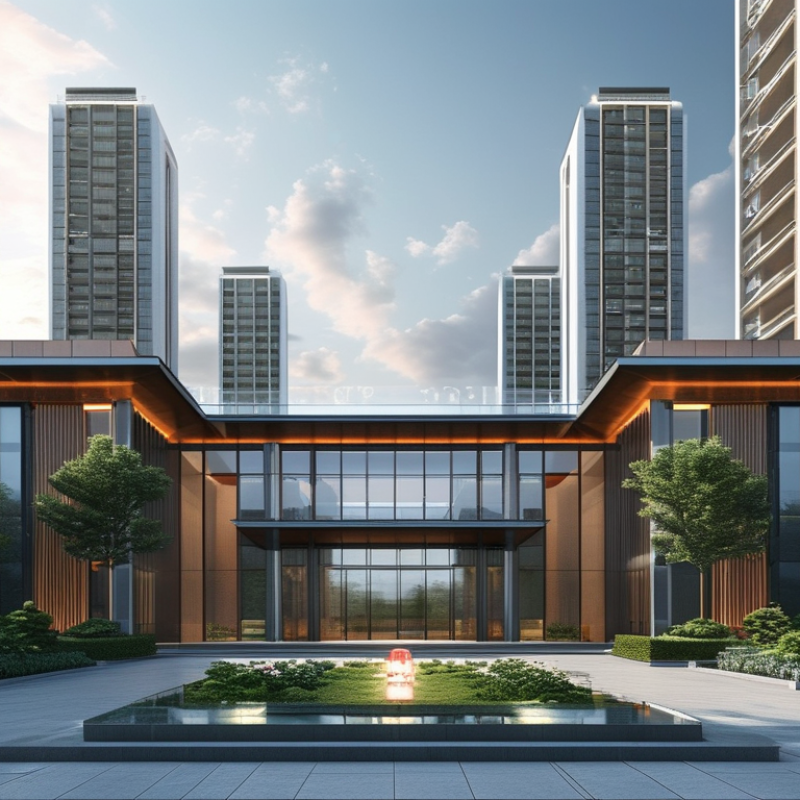
China Top Virtual Architectural Rendering Services?

Definition and Scope: China’s Virtual Architectural Rendering Services

China Top Virtual Architectural Rendering Services?

Definition and Scope: China’s Virtual Architectural Rendering Services

China’s virtual architectural rendering services turn drawings, BIM files, and site data into visual project experiences. The scope includes exterior stills, interior scenes, animation, 360-degree tours, virtual reality, and interactive sales platforms. These services support design review, planning communication, investor presentations, and client approvals. They are not simply decorative images.

Global 3D rendering and visualization revenue was estimated at about USD 3.86 billion in 2022, according to Grand View Research. The same report projects strong growth through 2030, driven by real-time engines and virtual experiences. China’s construction scale increases this demand, but local results still depend on accurate drawings, material libraries, lighting logic, and revision control. A beautiful image can remain technically weak. That is an uncomfortable truth.

Tips: Request a sample based on your own floor plan. Check camera scale, window proportions, material texture, and daylight direction. Ask how revisions are recorded. Use BIM-linked outputs when coordination matters. For public-facing work, confirm licensing, data protection, and file ownership in writing. These details often prevent expensive misunderstandings. The process can still fail when brief documents are vague. Clear references help.

Industry Benchmarks: BIMForum LOD 100–500 and ISO 19650 Workflows

High-quality virtual architectural rendering begins with disciplined information, not attractive images. BIMForum’s LOD framework, from 100 to 500, helps define what a model element is ready to communicate. LOD 100 supports early massing and feasibility studies. LOD 200 adds approximate size, shape, and location. LOD 300 provides precise geometry for coordinated design documentation.

LOD 350 introduces interfaces with nearby systems, which matters for construction visualization. LOD 400 supports fabrication-level detail. LOD 500 reflects verified conditions after installation.

More detail is not always better. A poorly coordinated LOD 400 model can create expensive visual confidence.

ISO 19650 strengthens this process through information requirements, naming rules, approval states, and a shared common data environment. Each rendering should connect to a defined information exchange, not remain an isolated presentation file. The 2021 NBS Digital Construction Report recorded BIM adoption at roughly three quarters of surveyed professionals. That figure suggests progress, but adoption does not guarantee reliable delivery. A rendered façade may look complete while its openings, materials, or asset data remain unresolved.

McKinsey’s construction productivity research reported long-term annual productivity growth of about 1 percent, far below manufacturing. Better visual coordination cannot solve every industry problem. It can, however, expose clashes early, especially when LOD decisions and ISO 19650 workflows are documented. In practice, teams should record model purpose, revision status, viewpoint, and unresolved assumptions beside every approved image. Some assumptions will be wrong. That is useful. Revising them before procurement is cheaper than defending them later.

Service Types: 4K/8K Stills, 360° Tours, Animation, and VR

China Top Virtual Architectural Rendering Services?

Virtual architectural rendering services in China often cover four practical formats: 4K or 8K stills, 360° tours, animation, and VR experiences. High-resolution stills show materials clearly, from brushed stone to warm timber grain. They work well for brochures, planning reviews, and sales presentations. A 360° tour lets viewers inspect a lobby, apartment, or landscape from multiple angles. It can reveal awkward circulation that a single image may hide.

Tips: Share accurate CAD files, material references, camera heights, and lighting preferences. Request a draft before final production. Check window reflections, furniture scale, signage, and exterior landscaping. Small errors become obvious in 8K output. Also confirm delivery formats, revision limits, and project deadlines in writing.

Animation adds movement, such as a slow approach through a residential entrance or a daylight change across a courtyard. VR offers deeper immersion, but it needs careful optimization for comfortable viewing and stable performance. In my experience, detailed instructions reduce revisions, yet they never remove every misunderstanding. A designer may interpret “soft evening light” differently from a client. That is worth discussing early. High-quality providers should explain their workflow, protect project files, and show consistent quality across stills, motion, and interactive scenes. The best result is not always the most dramatic one. Sometimes, a quieter camera angle communicates the architecture better.

Provider Comparison: Accuracy, Turnaround, Revisions, and BIM Compatibility

China Top Virtual Architectural Rendering Services?

Choosing a rendering provider requires more than attractive images. Accuracy begins with model interpretation, material scale, lighting direction, and site context. Ask for a sample created from your own BIM file. A polished preview can hide incorrect window positions or missing structural elements. The NBS National BIM Report 2023 reported that 73% of respondents used BIM, making model-based verification increasingly practical. However, BIM use does not guarantee visual accuracy.

Turnaround should be measured from complete brief to approved images, not from payment to first draft. For a standard exterior view, request a written schedule with milestones, file checks, and delivery formats. Revision policies also matter. Two included rounds may be useful, but unclear definitions create friction. In one test, a provider corrected camera height quickly but treated material changes as new work. That was technically fair, yet commercially disappointing. Dodge Data & Analytics’ SmartMarket research has linked stronger digital coordination with better project predictability, though rendering alone cannot deliver those gains. BIM compatibility should include IFC, RVT, SKP, or other agreed formats, plus stable object names and coordinates. Test whether updates can replace geometry without rebuilding the scene. Small errors compound. A five-centimeter façade shift can distort shadows, landscaping, and perceived scale. Reliability comes from documented checks, not confident promises.

This anonymized benchmark compares common architectural rendering service models using typical commercial project ranges. Accuracy and BIM compatibility are percentage scores; turnaround is measured in business days, while revisions represent the standard included revision rounds. Actual results vary by project scope, detail level, and input quality.

Quality and Compliance: IP Licensing, Data Security, and Delivery Standards

China’s top virtual architectural rendering services should prove quality through controlled processes. A polished image is not enough. Teams must document asset ownership, licensing scope, and permitted project uses before production begins. Written permission should cover textures, fonts, furniture models, aerial images, and client drawings. Unclear rights can delay publication or trigger costly revisions.

Data security needs equal attention. The 2024 Cost of a Data Breach Report recorded a global average breach cost of $4.88 million.

The 2024 Data Breach Investigations Report also linked 68% of breaches to human involvement.

Rendering providers should use encrypted transfers, role-based access, multi-factor authentication, and automatic file deletion schedules. Delivery standards should define resolution, color profile, naming rules, revision limits, and approval checkpoints. Small details matter. Yet, some studios still rely on informal chat approvals. That is a weakness worth admitting.

Tips: Request a sample security policy before sharing files. Ask for a licensing register with every external asset. Use a low-resolution preview for early approval. Keep final files in a controlled repository. Confirm whether subcontractors can access project data. A useful contract should state delivery dates, correction windows, backup procedures, and incident notification times. ISO-aligned controls can improve trust, but certification alone cannot replace daily discipline.

Contact Us