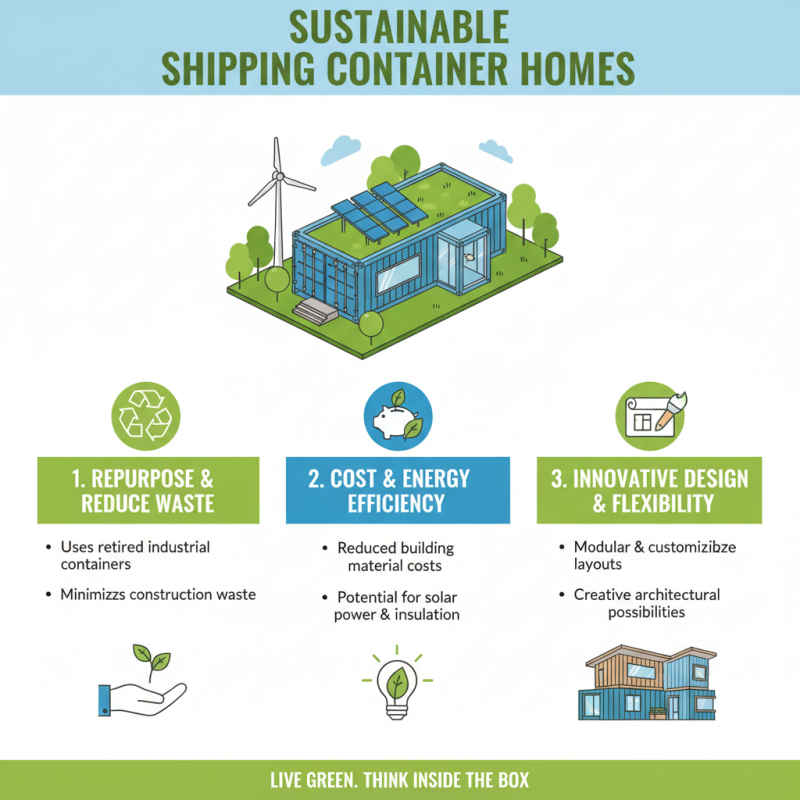
In recent years, the shipping container remodel concept has gained widespread popularity. These repurposed structures offer a unique blend of affordability and creativity. As expert designer Sarah Johnson notes, "Shipping container remodels open up endless possibilities for sustainable living." The transformation of containers into stylish homes is a beacon for those seeking innovative ways to live.
A well-executed shipping container remodel can include vibrant interiors, large windows, and smart layouts. Imagine cozy living spaces complete with modern kitchens and natural light flooding in. However, it's essential to reflect on the challenges these projects can pose. Poor insulation or inadequate ventilation might lead to discomfort in extreme weather conditions. Each container has its limitations that require thoughtful consideration.
The beauty of shipping container remodels lies in their versatility. Homeowners can customize these spaces to fit their needs perfectly. Yet, the process can be daunting, and mistakes can happen. Ensuring structural integrity is crucial to the project’s success. With careful planning, your shipping container remodel can turn into a stunning sanctuary that inspires creativity and sustainable living.

Shipping containers are transforming the home remodeling landscape. They offer durability and flexibility, making them a unique choice. According to the Container Housing Market report, the global market for container homes is expected to grow by 6.5% annually through 2025. This trend reflects a growing interest in sustainable living solutions.
One major benefit of using shipping containers is their affordability. Standard containers can cost between $1,500 to $5,000, significantly lower than traditional building materials. Additionally, they are readily available. Reusing these containers minimizes waste and promotes eco-friendly practices. The environmental impact is impressive—transforming old containers can reduce landfill contributions by thousands of tons.
However, there are challenges. Proper insulation is crucial to avoid temperature extremes. Without it, the interior can become uncomfortably hot or cold. Also, local zoning laws can complicate renovations. These factors need careful consideration before starting a project. While shipping containers are a promising option, potential buyers must weigh costs and regulations.
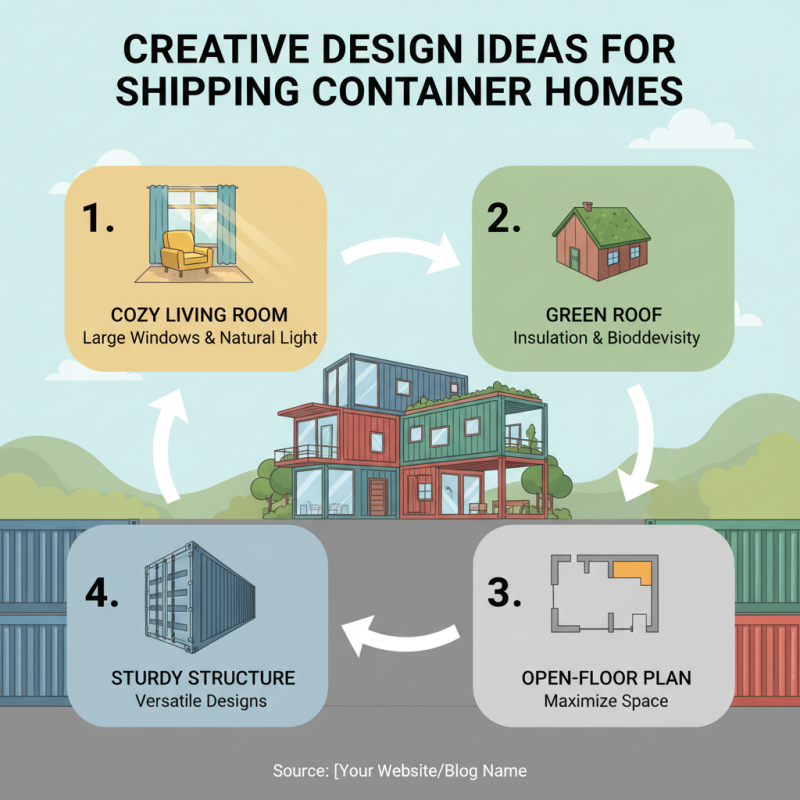
Shipping container homes present a unique opportunity for creative expression. Their sturdy structure allows homeowners to explore various design possibilities. You can create a cozy living room with large windows for natural light. Adding a green roof might improve insulation and promote biodiversity. Consider open floor plans to maximize space.
Utilizing recycled materials can enhance the aesthetic while being eco-friendly. Repurposed wood can be stylish for flooring or shelving. However, the challenge lies in balancing form and function. Sometimes, unconventional layouts may lead to awkward spaces. Think carefully about how each room flows.
Lighting is crucial in shipping container designs. Strategic placement of light fixtures can change a space's feel. Skylights can add brightness but may require careful installation. Additionally, outdoor areas could benefit from creative use of shipping containers. They can serve as patios or storage. Awareness of zoning laws is essential, as regulations may impact your vision.
When considering a remodeling project with shipping containers, understanding permits is crucial. Many areas require zoning clearance before starting. Regulations vary by locality, and some regions have more stringent rules. It's essential to research local regulations thoroughly. Some permits can be confusing, making it hard to keep track of what you need.
You may also face challenges during the approval process. For instance, certain neighborhoods restrict container use for aesthetic reasons. Be prepared to navigate through these hurdles. Engaging with your local planning department helps clarify requirements. Some homeowners find themselves stuck without the right paperwork, delaying their project.
Keep in mind that safety standards matter, too. Containers must be structurally sound and well-insulated for livability. Many places require inspections to ensure compliance. Ensure that your renovation plans align with these building codes. Don’t overlook the importance of environmental considerations. Some areas emphasize the eco-impact of your project. Ultimately, a successful remodel combines creative design and thorough regulatory adherence.
| Remodel Idea | Benefits | Estimated Cost | Essential Permits | Regulations to Consider |
|---|---|---|---|---|
| Container Home | Sustainable living, unique design | $30,000 - $100,000 | Building Permit, Zoning Permit | Local zoning laws, building codes |
| Home Office | Cost-effective workspace | $10,000 - $25,000 | Building Permit | Electrical codes, safety regulations |
| Guest House | Extra accommodation space | $20,000 - $50,000 | Building Permit, Occupancy Permit | Health and safety codes |
| Storage Shed | Secure storage solution | $5,000 - $15,000 | None (typically) | Local property regulations |
| Art Studio | Inspiration and creativity space | $15,000 - $35,000 | Building Permit | Waste disposal regulations |
When designing a container home, maximizing space is essential. Open floor plans create an inviting atmosphere. Use multifunctional furniture to save room. For instance, a sofa can also serve as storage space. Consider foldable tables that can be tucked away. This allows for flexibility in daily life.
Natural light plays a crucial role in container homes. Large windows enhance the sense of space. They also bring warmth inside. However, beware of privacy concerns. Use sheer curtains for light diffusion while maintaining some seclusion.
Vertical gardens can add a touch of nature without consuming too much space. They can also improve air quality. However, maintaining them can be challenging. Ensure you have the right setup for irrigation. With careful planning, you can create a beautiful, functional container home.
Shipping container homes are gaining popularity for their cost-effectiveness and unique designs. They also offer a pathway toward sustainable living. By repurposing industrial containers, homeowners reduce waste. This practice not only helps the environment but also provides a creative canvas for design.
Construction with shipping containers often leads to energy efficiency. Insulating these containers properly can keep homes warm in winter and cool in summer. Incorporating solar panels further decreases energy consumption. However, choosing the right materials for insulation can be challenging. Some products are not eco-friendly, and that’s an important consideration.
Landscaping around shipping container homes can promote biodiversity. Planting native species attracts local wildlife and sustains the ecosystem. Yet, it’s essential to balance aesthetics and sustainability. Some designs may look great but neglect ecological impact. Small adjustments can create a harmonious living space. Embracing imperfections in design encourages future adaptations and improvements.