
Top 10 Dining Furniture Trends Every Global Buyer Should Know

In the fast-evolving landscape of dining furniture, trends shift swiftly, reflecting consumer preferences and cultural influences. According to a recent report from the Global Furniture Association, the dining furniture market is projected to grow by 5% annually, highlighting a strong demand for innovative designs. Experts suggest that understanding these trends is crucial for global buyers. Renowned interior designer, Amelia Hart, states, “Dining furniture must blend functionality and aesthetic, creating experiences that resonate with consumers.”

Recent trends emphasize sustainability in dining furniture. Eco-friendly materials and processes are gaining importance. As consumers become more environmentally conscious, they seek out pieces that align with their values. Additionally, multi-functional furniture is rising, catering to urban dwellers with limited space. The balance between traditional craft and modern design presents both challenges and opportunities.

The integration of technology in dining spaces is also noteworthy. Smart dining solutions are emerging, driven by innovation. However, a disconnect remains; not all buyers are ready to embrace these advanced options. This tension highlights the necessity for constant adaptation in the dining furniture sector. Staying ahead means not only observing trends but also anticipating the evolving desires of consumers.
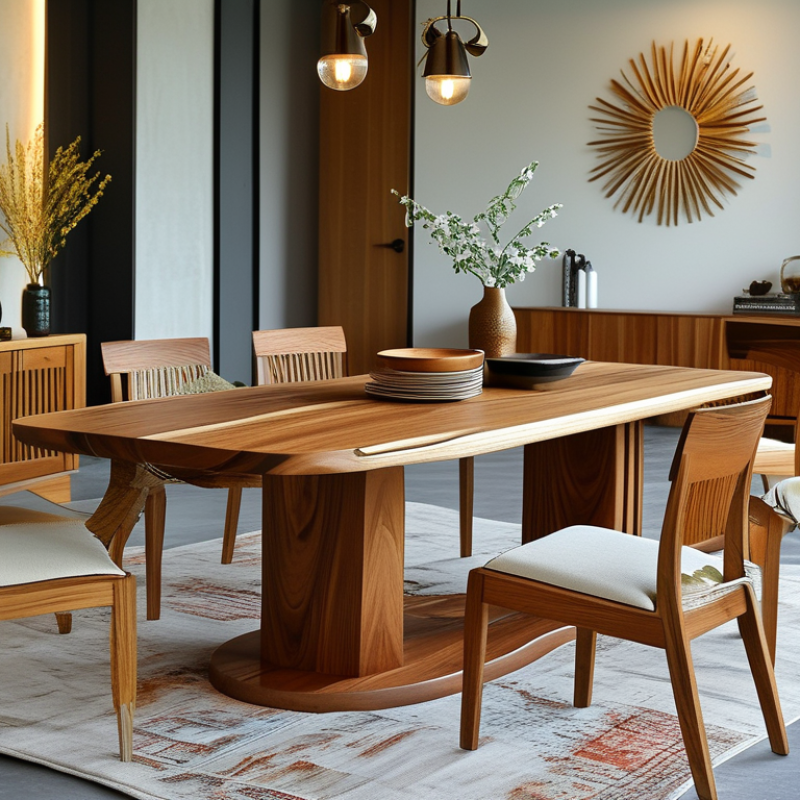
Top 10 Dining Furniture Trends Every Global Buyer Should Know

Emerging Materials in Dining Furniture Design for 2023

As we dive into dining furniture design for 2023, emerging materials are at the forefront. New reports suggest that sustainable options are increasingly favored by consumers. According to a recent industry analysis, 68% of buyers prioritize eco-friendly materials in their purchasing decisions. This shift is reshaping production methods and influencing design aesthetics.

Wood alternatives, such as bamboo and reclaimed materials, have gained traction. Bamboo, known for its rapid growth and regenerative qualities, is both stylish and sustainable. Reclaimed wood adds character, often featuring unique imperfections that tell a story. These materials not only appeal to environmentally conscious consumers but also offer durability and style.

Additionally, innovative composites are making waves in the market. Materials like resin-infused wood and recycled plastics are designed for longevity. Experts project that the market for these materials will grow by 25% in the next few years. Some manufacturers face challenges in balancing design and sustainability. The need for high-quality finishes often conflicts with eco-friendly practices. As the industry evolves, staying informed about these trends is crucial for any global buyer.

Sustainable Practices Shaping the Future of Dining Furniture

Dining furniture trends are increasingly shaped by sustainable practices. Climate change awareness drives consumers towards eco-friendly options. Designers focus on materials that are responsibly sourced. Reclaimed wood and recycled metals are gaining popularity. These choices reflect a commitment to the environment. They also create unique pieces with character.

Tip: Prioritize quality over quantity. Investing in durable furniture reduces waste. Look for items that can be refurbished. This approach ensures longevity and sustainability.

Furthermore, brands are now prioritizing transparent supply chains. Buyers want to know where materials come from. This transparency builds trust and promotes ethical consumption. However, not all claims are verified. Consumers should research and question certifications.

Tip: Engage with local artisans. Supporting local craftspeople ensures you know the sourcing story. This connection enriches your furniture’s narrative and supports your community.

Color Trends Transforming Dining Spaces: What's Hot Right Now

Color plays a crucial role in transforming dining spaces. Current reports indicate strong trends towards deep, rich hues like navy blue and forest green. These colors create a sense of intimacy and warmth in dining areas. According to a recent survey by the Color Marketing Group, 45% of designers expect jewel tones to dominate next year's dining collections.

In contrast, pastel shades are also gaining traction. Soft hues like blush pink and mint green promote a serene atmosphere. They appeal to those seeking a light, airy dining experience. A study from the Interior Design Society highlights that 37% of consumers prefer lighter colors in communal spaces for their calming effects.

However, it's essential to consider the challenges of bold color choices. Dark colors can make small rooms feel cramped. Additionally, clients often hesitate to commit to vibrant palettes. Designers recommend incorporating color through removable elements like chair covers or tableware. This approach offers flexibility and reduces potential remorse over permanent color changes. Balancing personal style and market trends requires thoughtful planning and a touch of creativity.

Top 10 Dining Furniture Trends Every Global Buyer Should Know

Trend Description Color Palette Material Popularity Level
Sustainable Materials Increasing demand for eco-friendly and sustainable furniture. Earthy tones: Greens, browns Bamboo, reclaimed wood High
Bold Colors Vibrant colors making a statement in dining areas. Bright blues, yellows, reds Metallics, plastics Medium
Mix and Match Combining different styles and materials for a unique look. Neutral tones with pops of color Wood, metal, upholstery High
Minimalist Design Simple, functional pieces that focus on clean lines. Monochrome shades Natural wood, glass Medium
Vintage Revival Incorporating vintage elements for a nostalgic feel. Rustic colors Antique wood, wrought iron High
Smart Furniture Furniture that integrates technology for enhanced functionality. Sleek, modern tones Composite materials Medium
Textured Fabrics Varied textures in upholstery for added depth and warmth. Soft pastels Velvet, linen High
Round Tables Round tables fostering conversation and intimacy. Warm wood tones Solid wood, glass Medium
Statement Lighting Dramatic light fixtures as focal points in dining rooms. Warm whites Glass, metal High

Innovative Styles: Blending Functionality with Aesthetics

Innovative dining furniture has evolved to blend functionality with aesthetics in exciting ways. Designers now focus on creating pieces that are not only visually appealing but also serve multiple purposes. For instance, a dining table can incorporate hidden storage, while chairs might convert into additional seating. This adaptability meets the needs of modern homes, where space is often limited.

When selecting dining furniture, consider the following tips. First, think about the materials. Wood offers warmth and durability, while metal can provide a sleek, modern vibe. Balance your choice with the overall theme of your home. A mismatched style can create a cluttered look. Second, prioritize comfort. A stylish chair means little if it is uncomfortable for long dinners. Look for ergonomic designs that support good posture.

Remember, not all pieces will fit perfectly into your space. Sometimes a bold choice can clash with existing decor. Be open to experimenting. Test different arrangements to find what works best for you. Don't shy away from asking for feedback from friends or family. They may offer insights you hadn’t considered.

Top 10 Dining Furniture Trends in 2023

The Rise of Customization in Dining Furniture for Global Markets

Customization in dining furniture is on the rise. Buyers around the world seek unique pieces that fit their personal style. This trend reflects a broader desire for individuality in home décor. Consumers are looking for options that represent their aesthetic and cultural backgrounds. Each piece of customized furniture tells a story.

Sustainability plays a key role in this trend. Many consumers prefer locally-sourced materials. They want furniture that doesn’t just look good but also has a positive impact on the environment. However, customization can be a double-edged sword. It often leads to longer wait times and increased costs. Buyers must balance their need for personalization with practical considerations.

The evolution of technology also affects dining furniture customization. Advanced design software allows for precise specifications. 3D printing offers possibilities once thought impossible. Yet, reliance on technology might diminish the human touch in craftsmanship. Some argue that it removes the artistry involved in creating furniture. Thus, it is essential to reflect on the balance between innovation and tradition.

Contact Us