
Top 10 Canopy Outdoor Types for Global Buyers?

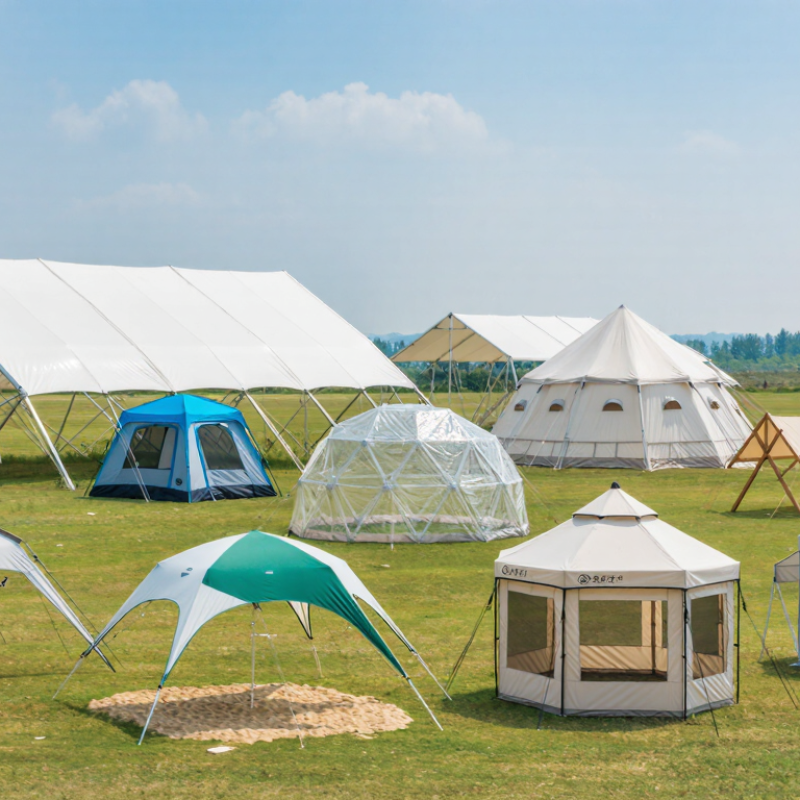
Choosing the right canopy can shape an outdoor space long after installation day. Global buyers must assess climate, purpose, materials, safety, transport, and maintenance. A beach resort needs different protection from a weekend market or a private garden.

“The best canopy is not the largest; it is the one matched to the site,” says Dr. Elena Marquez, an outdoor-structure consultant with experience in commercial shade systems. Her observation remains practical. A heavy steel frame may suit windy coastal areas, while a lightweight pop-up model can serve short events and mobile vendors. Fabric density, UV resistance, drainage, anchoring, and replacement-part access also deserve close attention.

This guide examines ten Canopy Outdoor types used across international markets. Each option has strengths, limits, and a different ownership cost. Some provide quick setup. Others offer stronger weather resistance, better branding space, or more permanent comfort. The details matter: a loose roof can collect rain, weak joints may loosen under repeated use, and unsuitable coatings can fade under intense sunlight.

There is no universal winner. That is easy to forget.

Buyers should compare real site conditions instead of copying attractive product photos. Wind exposure, seasonal rainfall, local installation skills, shipping dimensions, and after-sales support can change the final decision. Product descriptions may also overlook small weaknesses. Thoughtful buyers should question them. This overview offers a practical starting point for selecting canopy solutions with greater confidence, clearer expectations, and fewer expensive surprises.
Top 10 Canopy Outdoor Types for Global Buyers?

Canopy Taxonomy: Classify 10 Outdoor Types by Structure, Span, and Use

Canopy taxonomy helps global buyers compare structure, span, and practical use. Small spans usually stay below three metres, while medium spans reach three to ten metres. Larger systems exceed ten metres, but local engineering rules may differ. These boundaries are useful, not absolute.

A folding pop-up canopy uses a scissor frame for markets and short events. A garden gazebo uses fixed posts and covers small seating areas. A pergola uses beams or slats, often across medium spans, for patios and hospitality spaces. A retractable awning attaches to a wall and suits shopfronts or balconies. A cantilever canopy supports one side only, creating medium-span parking or entrance shade. These options vary greatly in wind performance. Measure twice.

A carport uses a rigid frame for vehicles, commonly across medium spans. A tensile sail uses tensioned fabric and corner anchors for small or medium recreational zones. A walkway canopy forms a linear tunnel, protecting pedestrians between buildings. A tensile membrane canopy uses masts, cables, and curved fabric for large plazas or event areas. A clear-span dome relies on a curved frame, serving sports areas, exhibitions, or temporary gatherings.

Field experience shows that drainage, foundation depth, fabric cleaning, and replacement access often matter more than appearance. Buyers should verify span calculations, wind exposure, snow load, fire performance, and installation conditions with qualified local professionals. Some classifications overlap, and that is worth admitting.

Folding Pop-Up Canopies: Compare 2.5×2.5 m, 3×3 m, and 3×6 m Formats

Folding pop-up canopies are judged by footprint, not appearance. A 2.5×2.5 m model covers 6.25 square metres. It suits one counter, two chairs, and compact displays. A 3×3 m canopy provides 9 square metres, giving staff better movement and more shade. The 3×6 m format reaches 18 square metres, but transport, setup, and anchoring become serious concerns.

The U.S. Bureau of Economic Analysis valued outdoor recreation at approximately $1.2 trillion in 2023. This figure shows strong activity, but it does not make every canopy suitable for every buyer. In field use, the 2.5×2.5 m size often fits narrow pavements and small market stalls. The 3×3 m format is a safer general-purpose choice for exhibitions and community events. Six metres works better for long counters, separated service zones, or larger teams.

Check packed length, frame weight, roof fabric, and anchoring points before comparing prices. A larger roof can catch stronger wind. That detail is easily overlooked. Industry safety guidance from the U.S. Consumer Product Safety Commission stresses stable setup and secure anchoring for temporary structures. Local venue rules may demand additional ballast. My practical mistake was choosing a 3×6 m canopy for a site with limited vehicle access. It offered impressive coverage, yet assembly slowed the whole team. Bigger is not automatically better.

Permanent Gazebos and Pergolas: Assess Materials, Lifespan, and EN 13782 Needs

Top 10 Canopy Outdoor Types for Global Buyers?

Permanent Gazebos and Pergolas: Assess Materials, Lifespan, and EN 13782 Needs

Permanent gazebos and pergolas require more than attractive frames and fabric roofs. Global buyers should compare aluminum, galvanized steel, treated timber, and stainless steel. Aluminum resists rust and reduces handling weight. Galvanized steel offers strength but needs careful protection at cut edges. Timber feels warmer, yet it demands regular sealing, especially in humid climates.

Inspect joints, drainage paths, roof pitch, and anchor plates before ordering. A small water trap can create corrosion within one season. Powder coating may improve surface durability, but it cannot repair poor welding or weak foundations. In practical site inspections, loose anchors and neglected touch-up paint appear more often than material failure. No material is maintenance-free.

EN 13782 mainly addresses temporary demountable structures, including certain tents and event canopies. A permanent gazebo may not fall directly within its scope. However, buyers should request clear structural calculations, wind ratings, fire information, and installation instructions. If a supplier describes a permanent product as removable or temporary, confirm which standards genuinely apply. Requirements also vary with local building rules, snow loads, coastal exposure, and public access. Certification language can sound reassuring, but incomplete documentation still deserves questions. Lifespan estimates should state climate, maintenance frequency, and replacement parts. Five years outdoors is not the same everywhere.

The chart compares typical service-life expectations for ten outdoor canopy types. Blue indicates structures normally designed as permanent installations; orange indicates canopy systems commonly supplied for temporary or event use, where EN 13782 should be reviewed. EN 13782 addresses the safety of temporary structures, while permanent gazebos and pergolas are generally assessed under applicable local building, structural, fire, and wind-load regulations.

Service-life figures are indicative industry ranges based on normal outdoor exposure and maintenance. Climate, corrosion protection, UV intensity, snow and wind loads, drainage, foundations, and fabric replacement schedules can significantly change actual performance.

Commercial and Event Canopies: Evaluate Wind Loads, Fire Safety, and UPF 50+

Top 10 Canopy Outdoor Types for Global Buyers

Commercial and event canopies include frame, pole, tension, clear-span, pop-up, and inflatable structures. Each type handles wind differently. A lightweight pop-up canopy may suit short events, while a clear-span system supports larger crowds. Buyers should request wind-load calculations for the exact size, location, and installation method. Generic ratings can mislead.

Check the fabric, frame, anchors, and ballast as one system. Wind pressure changes with building edges, open fields, and coastal exposure. Installation teams must inspect every connection, not only the visible roof. It matters.

Fire safety requires more than a flame-resistant label. Ask for current test reports, treatment details, and the applicable local standard. Fabric performance may change after cleaning, storage, or repairs. Keep certificates with the project documents. Local authorities may also require emergency exits, aisle widths, and fire equipment.

Sun protection deserves equal attention. Select fabric tested to UPF 50+ under recognized procedures. Confirm whether the rating covers the finished canopy, not only a laboratory sample. Darker fabric may reduce glare, but it can increase heat beneath the roof. Ventilation and sidewall design matter. A shaded space can still feel uncomfortable.

Site records improve reliability. Photograph anchors, ballast placement, seams, and warning signs before opening. Recheck them after strong gusts. Real sites are rarely perfect. Teams may rush, forget torque checks, or place ballast on uneven ground. Buyers should allow time for training, inspection, and replacement parts. Safety depends on the complete setup, not the canopy alone.

Global Buyer Checklist: Compare 10 Types by Climate, Compliance, Cost, and Logistics

Choosing among ten canopy types—pop-up, tension, sail, cantilever, pergola, retractable, warehouse, event, greenhouse, and fixed steel—requires more than comparing price tags.

Match the frame to climate first. IPCC AR6 reports stronger heat extremes and heavier rainfall in many regions. Coastal buyers should question corrosion resistance. High-wind areas need engineered anchoring, drainage, and tested load data. A light fabric roof may look efficient, but it can fail during sudden gusts.

Compliance changes by destination.

Request fire-performance certificates, structural calculations, fabric UV data, and accessible installation instructions. EN 13561 covers external blinds and similar shading products, while local building codes may demand separate permits.

Ask whether testing covers the complete assembly, not only the fabric. That detail is often missed. It should not be.

Cost includes packaging, duties, replacement parts, labor, and storage.

The World Bank’s 2023 Logistics Performance Index evaluates customs, infrastructure, shipment quality, and timeliness across 139 economies. Use those categories when comparing suppliers.

UNCTAD’s Review of Maritime Transport states that ships carry over 80% of global merchandise trade, so port delays can affect seasonal projects.

Flat-pack designs usually reduce volume, but extra joints can increase installation time.

Compare landed cost per usable square meter, warranty response, and spare-part availability. A cheaper canopy may become expensive after one damaged connector or missing panel.

Contact Us