The trend of building sustainable and affordable housing solutions has gained significant momentum in recent years, with the shipping container cottage emerging as a popular choice among environmentally-conscious homeowners. According to a 2022 report by the Container Housing Association, the use of shipping containers as a housing solution has increased by 32% over the past five years, primarily due to their cost-effectiveness and eco-friendly attributes. These structures not only reduce the demand for traditional building materials but also contribute to waste reduction by repurposing surplus containers, which underscores the importance of sustainable living in today's housing market.
As urbanization continues to rise, so does the necessity for innovative housing solutions. The Global Sustainable Housing Report highlights that affordable housing is becoming increasingly scarce, with over 1.6 billion people worldwide lacking adequate shelter. In this context, shipping container cottages provide a viable option, offering flexibility in design, modularity, and portability, while accommodating individuals and families looking to downsize their living spaces or reduce housing expenses. With the right approach, building a shipping container cottage can not only fulfill the need for shelter but also serve as a model for sustainable living and creativity in architecture.

Shipping container cottages have gained immense popularity in recent years due to their unique blend of
sustainability, affordability,
and versatility. According to a report by the United Nations, the world population is expected to reach
9.7 billion by 2050, leading to an increased demand for innovative
housing solutions. Shipping container homes provide a solution to housing shortages while utilizing
repurposed materials, thereby reducing the need for new resources. The environmental benefits are significant;
converting used shipping containers into homes can save an estimated
3,000 kilograms of carbon emissions compared to traditional construction methods.
Additionally, the financial advantages of building a shipping container cottage are compelling. A study from
the National Association of Home Builders highlighted that the average cost to build a traditional home
is around $100 to $200 per square foot, while shipping container homes
can be constructed for approximately $50 to $150 per square foot. This
cost-effectiveness allows homeowners to allocate their budget towards custom features and sustainable technologies,
such as solar panels and rainwater harvesting systems. Furthermore, shipping container cottages can often be
completed in a fraction of the time of conventional homes, with many projects finished in a matter of weeks,
significantly reducing labor costs and time investment. These benefits make shipping container cottages an appealing
and practical choice for modern living.
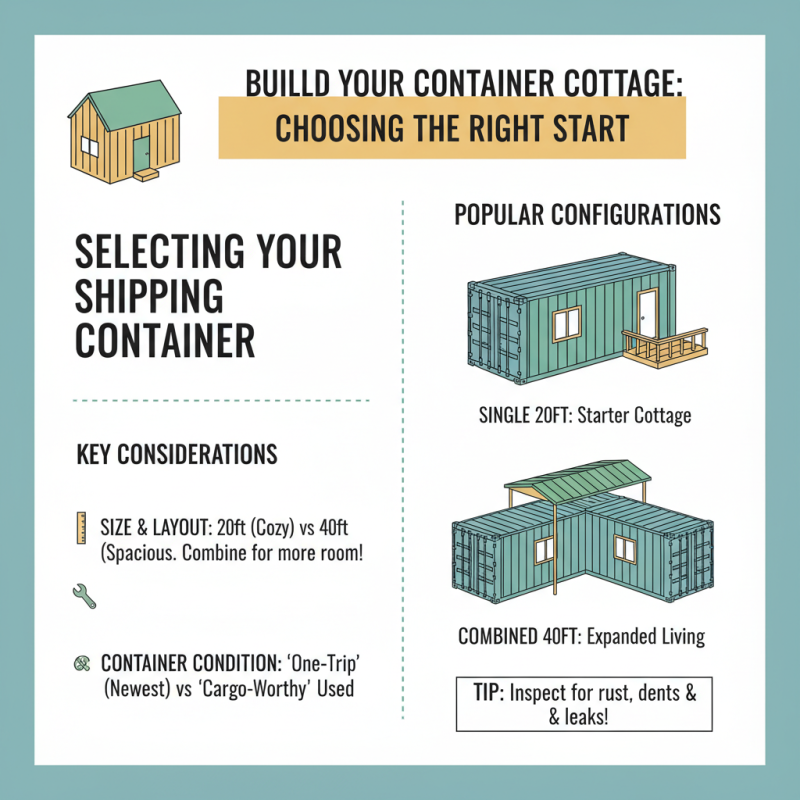
When embarking on the journey of building your own shipping container cottage, selecting the right container is a foundational step. It's essential to consider the size and condition of the container, as these factors will significantly impact the comfort and functionality of your cottage. Standard sizes include 20-foot and 40-foot containers, each offering different spatial opportunities. For a cozy cottage, a single 20-foot container might suffice, but options can be expanded by combining multiple containers for added space and creativity.
Equally important is the condition of the shipping container. Containers are typically available in three grades: new, one-trip, and used. New containers offer pristine conditions but come at a premium cost. One-trip containers, used only once for shipping, strike a balance between quality and affordability, while used containers can provide the best cost-saving option, albeit with potential wear and tear. It's advantageous to inspect any used container thoroughly for rust, structural damage, and past use to ensure it meets your standards for building. By making an informed choice about the container's size and condition, you pave the way for a successful and enjoyable cottage project.
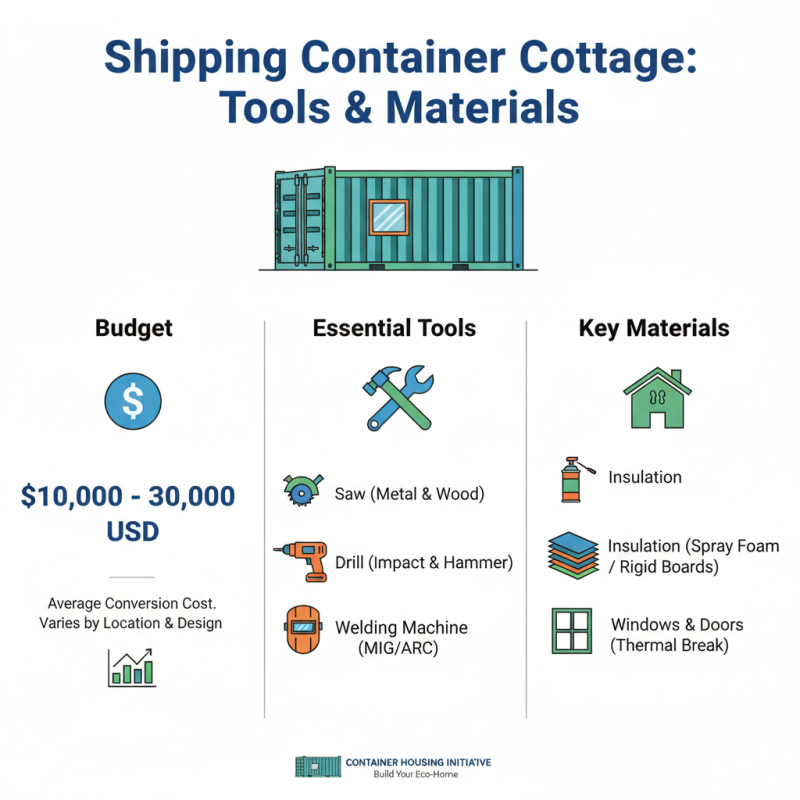
When embarking on the journey of building your own shipping container cottage, understanding the essential tools and materials is crucial for a successful project. According to a report by the Container Housing initiative, the average cost to convert a shipping container into a livable space is around $10,000 to $30,000, depending on the location and design choices. This budget can substantially impact the selection of tools and materials. Basic construction tools, including a saw, drill, and welding machine, are indispensable for modifying the shipping container structure. Additionally, purchasing quality insulation materials, such as spray foam or rigid foam boards, ensures a comfortable living environment, as containers can be prone to heat and cold fluctuations.
Moreover, sourcing sustainable and durable materials will not only enhance the longevity of your cottage but also support environmental efforts. A recent study indicated that insulated containers can reduce energy consumption by up to 40% compared to traditional housing, making it essential to choose energy-efficient tools for installation. Other materials, like weather-resistant doors and windows, are vital for providing security and comfort. Investing in high-quality fasteners and sealants will prevent rust and moisture issues in the long run. These foundational elements contribute significantly to the overall success and livability of your shipping container cottage, making thorough preparation key to the building process.
Designing a shipping container cottage layout requires careful consideration to maximize space and functionality. Begin by assessing the available site and the orientation of the container. Ensure that the entry points and windows are strategically placed to allow natural light and ventilation. Sketch a rough layout that considers different zones, including living areas, kitchen space, and sleeping quarters. Incorporating open floor plans can make the space feel larger and more inviting.
Next, think about how to integrate essential utilities with your layout. Plan for plumbing and electrical installations by marking positions for sinks, outlets, and appliances early in the design process. This will facilitate smoother construction and address potential logistical challenges. Additionally, consider multi-functional furniture to optimize space usage, such as foldable tables and convertible sofas. With thoughtful planning, your shipping container cottage layout can be both aesthetically pleasing and practical, ultimately creating a cozy and efficient living environment.
This bar chart illustrates the importance levels of various steps involved in building your own shipping container cottage, rated from 1 to 10. This can help guide individuals in focusing their efforts on the most crucial aspects of the building process.
When it comes to insulating and finishing your shipping container home, there are several key strategies that can enhance comfort and aesthetics. Proper insulation is crucial for temperature regulation and energy efficiency. Begin by choosing suitable insulation materials, such as spray foam, which provides a seamless barrier against heat loss and moisture infiltration. Alternatively, rigid foam boards offer excellent thermal performance and can be installed in panels for a snug fit. Consider also using insulated container panels that combine structure with insulation for a more integrated approach.
Once insulation is in place, focus on the interior finishes to create a welcoming atmosphere. Use materials like plywood or drywall for walls to give a natural or modern appearance, depending on your style preference. Don't overlook flooring; options like bamboo or vinyl can withstand the unique challenges of a container environment while adding warmth to the space.
Lighting plays a vital role as well; incorporating natural light through windows or skylights can make the area feel more open and inviting.
Another essential tip is to manage moisture effectively. This can be accomplished by installing vapor barriers and ensuring proper ventilation. Additionally, consider the use of paint or sealants designed for metal structures to protect against corrosion and contribute to a polished finish. By carefully selecting insulation materials and focusing on thoughtful finishing touches, you can transform a shipping container into a comfortable and stylish home.