How to Start Container Living for Sustainable Housing Solutions?

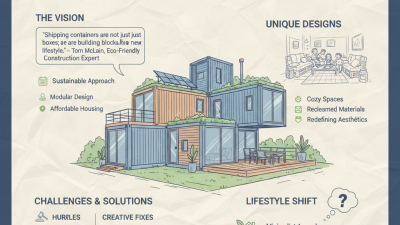
Container living is gaining traction as a sustainable housing solution. Experts like architect and container home advocate, Sarah Jones, emphasize its potential. She once stated, "Container living combines innovation with environmental responsibility." This approach not only addresses housing shortages but also promotes eco-friendly practices.

The concept of repurposing shipping containers captures attention. It offers an alternative to traditional construction methods. By using existing materials, container living decreases waste. Yet, it does come with challenges. Proper insulation and ventilation are crucial. Without them, homes can become uncomfortable.

Choosing container living requires careful consideration. It is essential to understand zoning laws and building codes. Not every location supports such structures. Balancing aesthetics with functionality is also vital. While container homes can be unique, they may require creative design solutions. Embracing imperfection in the process can lead to innovative outcomes.
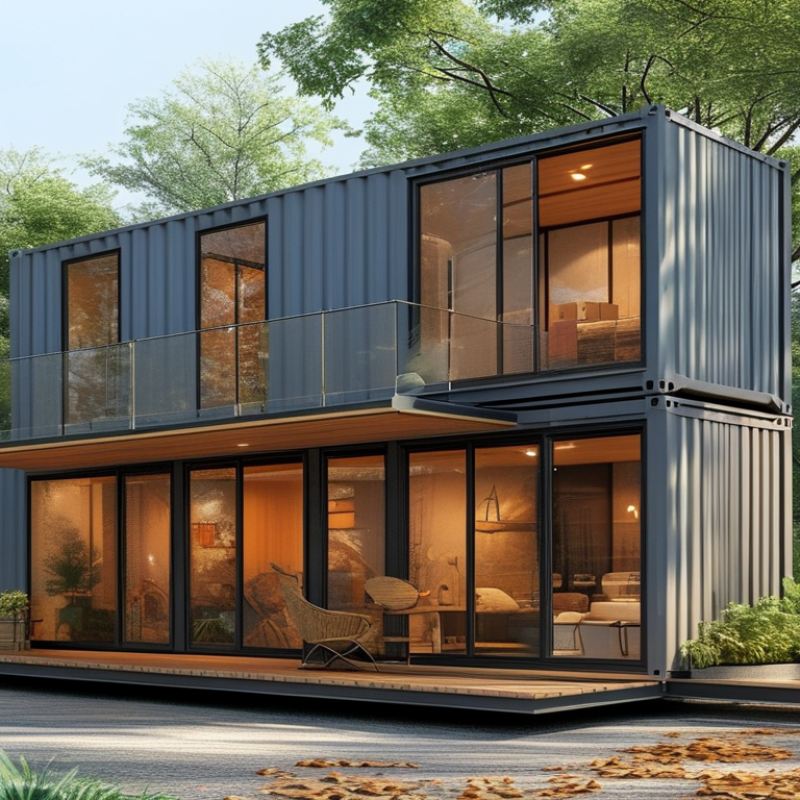
How to Start Container Living for Sustainable Housing Solutions?

Understanding Container Living: An Overview of Sustainable Housing

Container living offers a innovative way to address housing shortages and environmental challenges. As urbanization rises, reports suggest that approximately 1.6 billion people lack adequate housing worldwide. Container homes present a solution by repurposing unused shipping containers. These structures use fewer resources than traditional homes, contributing to sustainability efforts.

Data shows that container homes can be built in half the time of conventional housing. They require less energy for heating and cooling. A study by the American Institute of Architects highlights that modular construction reduces waste by about 50%. This approach not only conserves materials but also lowers overall costs for builders and homeowners.

Yet, the container living trend is not without its challenges. Insulation and ventilation need careful consideration. Improperly designed homes may face temperature extremes. Moreover, local zoning laws can pose hurdles. Some municipalities are still adapting to this new housing model. The future of container living relies on overcoming these obstacles while promoting its benefits for sustainable living.

How to Start Container Living for Sustainable Housing Solutions?

Aspect Details
Definition Living in repurposed shipping containers as alternative housing.
Benefits Cost-effective, environmentally friendly, durable, and customizable.
Sustainability Features Energy-efficient systems, water recycling, and use of reclaimed materials.
Design Options Single-unit homes, multi-unit complexes, and custom layouts.
Regulations Zoning laws, building codes, and local permits must be observed.
Cost Considerations Initial purchase, renovation expenses, and land costs.
Community Impact Potential for creating affordable housing solutions & revitalizing areas.

Benefits of Container Living for Environmental Sustainability

Container living presents innovative housing solutions that prioritize environmental sustainability. According to the World Economic Forum, the construction industry contributes to nearly 40% of global carbon emissions. By utilizing shipping containers, home builders can significantly reduce this footprint. Shipping containers are often recycled, minimizing waste in landfills. The average container occupies about 160 square feet, making efficient use of space in urban areas.

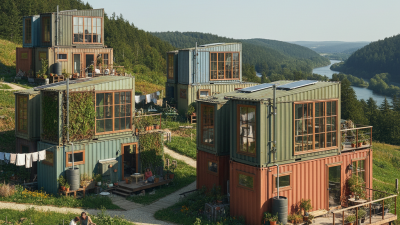
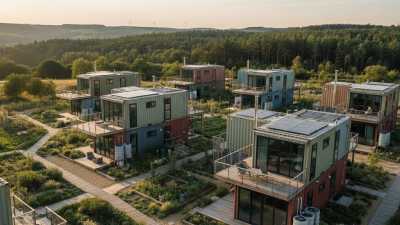
Moreover, container homes can be constructed in less time than traditional buildings. According to the Housing Industry Association, modular construction can reduce building timelines by up to 50%. This not only cuts down labor costs but also lessens the environmental impact during the construction phase. Many container homes also incorporate green technology, like solar panels and rainwater harvesting systems, further enhancing their sustainability.

Despite these advantages, container living does come with its challenges. Insulation and ventilation must be carefully considered. Poor insulation can lead to excessive energy use for heating or cooling. Additionally, local zoning laws may pose hurdles for container home placement. Awareness of these issues is crucial for potential container home buyers. A detailed assessment of site conditions and regulations is necessary. Balancing the benefits and drawbacks is essential for sustainable living solutions.

Benefits of Container Living for Environmental Sustainability

Essential Steps to Design and Plan Your Container Home

Designing and planning a container home begins with a clear vision. Visualize your ideal space. Think about layout, aesthetics, and functionality. Sketch your ideas, but keep flexibility in mind. Every design choice impacts both cost and usability.

Choosing the right containers is crucial. Inspect them for structural integrity and rust. Modify as needed for insulation and ventilation. Consider local climate conditions in your design. Windows and doors will affect natural light and airflow. Plan wisely; planting trees or shrubs can enhance privacy and comfort.

Budgeting is another essential step. Costs can add up quickly. Be realistic about your financial limits. Research local building codes too. This ensures your container home meets safety standards. Lastly, embrace the journey. There will be challenges and adjustments along the way. Each step is a learning experience.

Materials and Resources Needed for Container Construction

Container living is an innovative approach to sustainable housing. To start, you'll need specific materials and resources for construction. Shipping containers serve as the main structure. They are durable and versatile. You can find them at ports or through specialized suppliers. Additionally, insulation materials are crucial. These help regulate temperature and ensure comfort in varying climates.

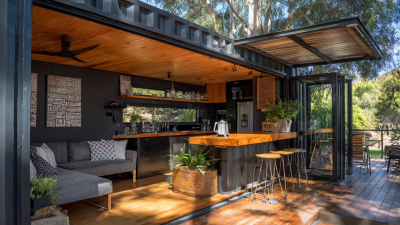
Electrical and plumbing systems are essential for functionality. Solar panels can be used to enhance energy efficiency. For interior design, consider cabinets, flooring, and furnishings that maximize space. Paint and finishes can be chosen to reflect a personal touch. Remember, each choice impacts sustainability.

Reflecting on costs is important. While containers are cheaper than traditional homes, renovation can add up. Some find it challenging to navigate building permits. Research local regulations thoroughly before starting. Container living is rewarding but requires careful planning and thought.

Legal Considerations and Zoning Regulations for Container Homes

When considering container living, legal aspects are crucial. Zoning regulations can vary widely between areas. Some local governments welcome container homes, while others impose strict guidelines. It’s essential to research your specific location before making plans. You might find that certain zones prohibit permanent structures made from containers. Knowing these details can save time and resources.

Building codes are another factor. Many areas require compliance with safety standards. This includes insulation and structural integrity. Ignoring these requirements can lead to complications. You could face hefty fines or even removal orders. Consult local building authorities for guidance. They can provide insights specific to your project.

Community acceptance also plays a role. Neighbors may not embrace a container home at first. Gathering support can be beneficial. Attend local meetings to voice your intentions and gather opinions. Building positive relationships can ease concerns about aesthetics and property value. Balancing your vision with community expectations can lead to a successful project.

Contact Us