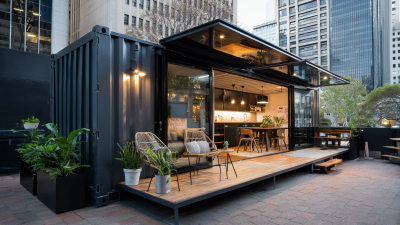
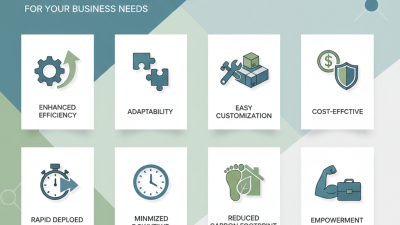
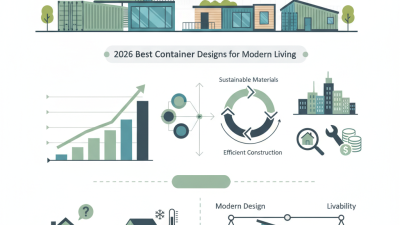
Shipping container renovation is an innovative approach to utilizing unused or discarded shipping containers. These containers are more than just metal boxes; they offer endless possibilities for transformation. By reimagining their use, people can create unique living spaces, offices, or even pop-up shops. The versatility of shipping containers allows for creativity, but it also comes with challenges.
Designing a functional space from a shipping container requires careful planning. Issues like insulation, plumbing, and electrical work need to be addressed. Not every project goes smoothly. Some designs might fall short of expectations, leading to rework and adjustments. However, overcoming these obstacles can lead to stunning outcomes that truly reflect the owner's vision.
The beauty of shipping container renovation lies in its potential to reinvent ordinary spaces. Whether it's turning a container into a cozy home or a vibrant café, the result can be awe-inspiring. Yet, the journey is not without its bumps. Each renovation project serves as a learning experience, highlighting the importance of adaptability and creative problem-solving. Embracing the imperfections of the process can lead to unexpected innovations.

Shipping container renovation is a creative approach to repurposing shipping containers into functional spaces. This concept has gained popularity in recent years. According to a report by Grand View Research, the global modular construction market is expected to reach $157 billion by 2023. A significant part of this growth is driven by the interest in container-based applications.
These containers can be transformed into homes, offices, and retail spaces. Their versatility makes them appealing to architects and designers. However, there are challenges in using them. Insulation and ventilation must be addressed. Potential buyers should carefully consider these aspects before diving in.
**Tip:** Research local building codes when planning a renovation. Regulations can vary widely and may affect your project.
Shipping container projects can be cost-effective, with estimates showing savings of up to 30% compared to traditional construction. The environmental impact is also compelling. Using upcycled materials reduces waste. Yet, it’s crucial to reflect on possible flaws in design or layout. The space may feel cramped if not planned well.
**Tip:** Always create a mock-up or detailed plan. This will help visualize the end result and ensure functionality.
| Dimension | Details |
|---|---|
| Origination | Shipping container renovation involves repurposing old shipping containers into functional spaces. |
| Common Uses | Housing, offices, retail spaces, pop-up shops, and cafes. |
| Benefits | Cost-effective, eco-friendly, durable, and customizable. |
| Design Flexibility | Containers can be stacked, combined, and modified to create unique designs and layouts. |
| Popularity | Increasingly popular in sustainable architecture and urban development. |
| Challenges | Insulation, ventilation, zoning regulations, and initial investment costs. |
| Environmental Impact | Upcycling reduces waste and promotes sustainable living practices. |
The popularity of shipping container architecture has surged in recent years. This growth is driven by rising urbanization and the need for sustainable living solutions. Data from industry reports indicate that the global market for container homes is expected to reach $73 billion by 2024. More people are drawn to these unique structures because they are eco-friendly and cost-effective.
Shipping containers can be transformed into homes, offices, and even retail spaces. They offer flexibility and can be modified to fit various needs. The renovation process allows for creative designs. Many use solar panels and green roofs to enhance sustainability. However, it’s crucial to consider local zoning laws before starting a project.
Tips: If you’re considering a shipping container renovation, start with a clear design plan. Measure the space you have available. Be mindful of budgeting, as unexpected costs often arise. Research local builders experienced in container renovations. Their expertise can save time and prevent mistakes.
Shipping container renovation is gaining popularity worldwide. One of its key benefits is sustainability. According to a report by the United Nations, buildings contribute to 39% of global carbon emissions. Using shipping containers can significantly reduce this footprint. These containers are often repurposed, minimizing waste and resource consumption. They are durable and weather-resistant, making them a viable option for various projects, from homes to offices.
Another advantage is cost-effectiveness. A study by the Foundation for Economic Education suggests that building with shipping containers can save up to 30% compared to traditional construction. The initial investment may seem high, but the long-term benefits, such as lower energy bills, make it worthwhile. These structures can also be easily transported, allowing for flexibility in design and location.
Tips: Before starting a renovation project, consider local zoning laws. Not all areas permit container homes. Make sure your project aligns with regulations. Also, think about the insulation process. Temperatures can fluctuate inside containers. Proper insulation ensures a comfortable living or working environment. Lastly, remember that creativity is key. Embrace the unique characteristics of containers. Each project can be tailored to truly reflect your vision.
Shipping container renovation has become increasingly popular in recent years. Many architects and builders are looking at ways to repurpose these containers. They are not just durable; they are also environmentally friendly. According to a 2022 report by the Waste Management Agency, converting shipping containers can reduce construction waste by up to 30%. This is a significant figure for sustainable building practices.
Various transformation case studies highlight the versatility of shipping container conversions. For example, in urban areas, these containers can be used as compact homes. A recent study noted that a 160-square-foot container home cost about 50% less than traditional housing. Transforming these containers requires creativity, though. Some challenges include insulation and ventilation. Without proper planning, the interiors can become stifling in hot climates.
Others have used shipping containers for commercial spaces, such as cafes and pop-up shops. A case in New York showcased a container coffee shop that maintained a 25% higher foot traffic than typical storefronts. However, location and design are crucial for success. A poorly placed or unattractive container can deter customers. Yet, when designed with thoughtfulness, these spaces can thrive and attract attention.
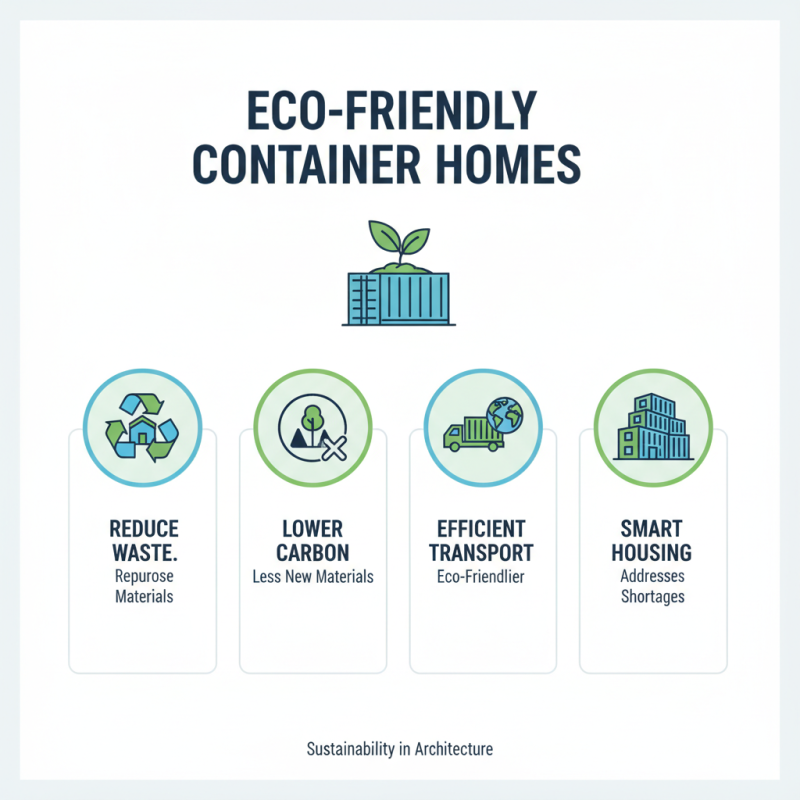
Shipping container renovation is not just a trend; it’s a statement about sustainability. By repurposing these sturdy metal structures, we reduce the demand for new materials. This practice minimizes waste and lessens our carbon footprint. Transporting a shipping container is more eco-friendly than building traditional structures. It’s a clever way to address housing shortages while being kind to the planet.
However, there are challenges. Not all containers are suitable for renovation. Some may have damage or signs of corrosion. This can require repair or even replacement, which adds to costs. Additionally, insulation and ventilation can be tricky. A poorly designed renovation may lead to uncomfortable living spaces. It’s essential to evaluate each container's condition carefully before starting a project. The potential for transformation is enormous, yet the journey to achieving it needs thoughtful consideration and planning.