Why Choose Shipping Container Dwellings for Sustainable Living Solutions?

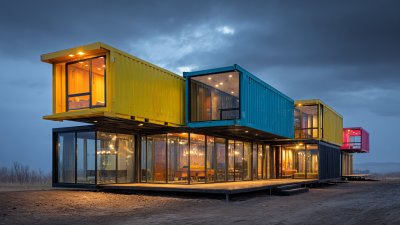
As the world shifts towards more sustainable living solutions, the concept of "shipping container dwelling" has gained considerable attention. Industry expert Dr. Emily Carter, an advocate for eco-friendly architecture, states, "Shipping container dwellings not only reduce material waste but also offer a versatile and cost-effective approach to housing." This innovative design reclaims unused shipping containers, transforming them into efficient living spaces that minimize environmental impact.

Why Choose Shipping Container Dwellings for Sustainable Living Solutions?

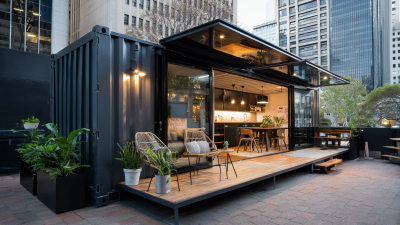
Moreover, shipping container dwellings exemplify adaptability and creativity, appealing to those seeking alternative housing solutions. In urban areas where space is limited and real estate prices soar, these structures maximize functionality while providing a sustainable footprint. With careful planning and design, shipping container homes can incorporate sustainable technologies, such as solar panels and rainwater collection systems, making them highly sustainable choices for modern living.

As we explore the benefits and possibilities of shipping container dwellings, it becomes clear that they represent a revolutionary step towards greener living. Their unique blend of affordability, efficiency, and environmental responsibility presents an exciting opportunity for individuals and communities looking to embrace sustainable solutions in housing.

Benefits of Shipping Container Homes for Eco-Friendly Living

Why Choose Shipping Container Dwellings for Sustainable Living Solutions?

Shipping container homes are emerging as a popular choice for eco-friendly living, driven by their sustainability benefits and innovative design. Constructed from repurposed steel containers, these dwellings significantly reduce waste and the demand for new building materials. By utilizing existing structures, they minimize the carbon footprint associated with traditional home construction, making a positive impact on the environment.

Additionally, shipping container homes can be designed to incorporate various private project features, such as solar panels, rainwater harvesting systems, and energy-efficient appliances. These elements not only lower energy consumption but also promote a self-sufficient lifestyle.

The flexibility of shipping container architecture allows for creative and customizable designs, enabling homeowners to create unique living spaces that reflect their personal values while prioritizing ecological responsibility. In a world increasingly focused on sustainability, shipping container dwellings offer an innovative solution for those looking to reduce their environmental impact.
Innovative Design Ideas for Shipping Container Dwellings

Why Choose Shipping Container Dwellings for Sustainable Living Solutions?

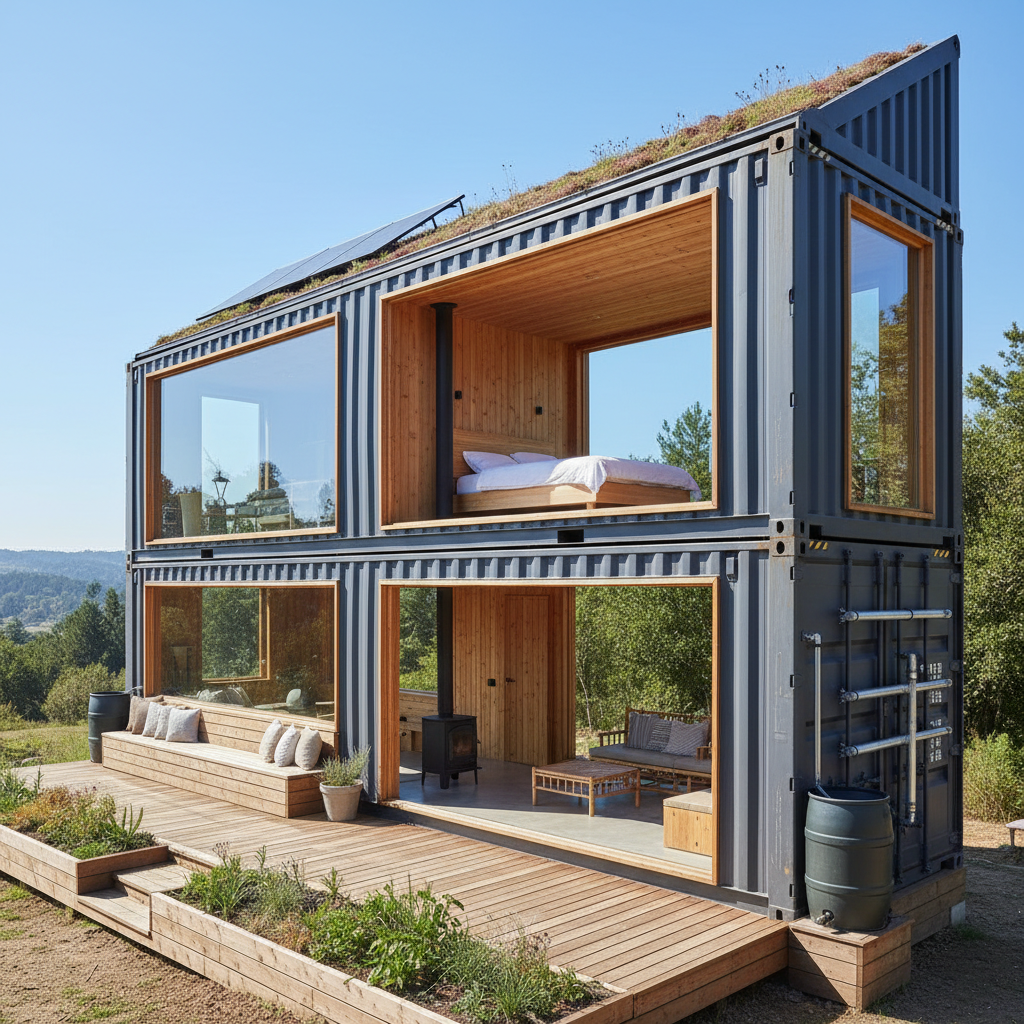
Shipping container dwellings have emerged as a popular solution for sustainable living, and innovative design ideas are transforming these containers into functional and aesthetically pleasing homes. One notable approach is incorporating eco-certified materials and passive design principles, much like the recent trends highlighted in modular housing developments. For instance, utilizing certified solid wood interiors not only enhances the aesthetic appeal but also boosts sustainability by opting for renewable resources.

When designing a shipping container home, consider integrating natural light and ventilation to minimize energy consumption. Large windows and strategically placed openings can create a bright, airy atmosphere while reducing reliance on artificial lighting. Additionally, you might explore the use of movable or flexible spaces within the container, allowing for adaptable living arrangements that suit individual lifestyles.

Another tip is to embrace the outdoor space surrounding your container dwelling. By using green roofs or vertical gardens, you can enhance insulation and add natural beauty. Furthermore, consider sourcing sustainable energy solutions, such as solar panels, to maximize efficiency and reduce your carbon footprint, making the most of your innovative design while living sustainably.

Cost-Effective Sustainable Living: Budgeting for Container Homes

When considering sustainable living solutions, shipping container homes stand out as a cost-effective alternative. These versatile structures can be transformed into beautiful living spaces while keeping expenses in check. One of the primary benefits of container homes is their affordability; purchasing used containers significantly reduces initial investment costs. Furthermore, their durability means that maintenance expenses are lower over time, making them an economical choice for budget-conscious individuals.

**Tip:** Before diving into your shipping container project, draft a thorough budget. Consider not only the cost of the containers but also expenses related to land preparation, insulation, plumbing, and energy solutions. Doing this can help prevent financial surprises down the road.

Moreover, container homes can be energy-efficient, with the potential for sustainable features such as solar panels and rainwater harvesting systems. This not only lowers utility bills but can also provide a return on investment in the long term. Exploring creative designs and energy-efficient appliances can further enhance the affordability of living in a shipping container.

**Tip:** Research local regulations and zoning laws early in the planning process. Understanding these rules can help you avoid costly delays and ensure your container home meets all necessary legal requirements.

Cost-Effectiveness of Shipping Container Dwellings

This bar chart illustrates the estimated costs associated with shipping container dwellings, emphasizing their cost-effective nature as a sustainable living solution.

Key Considerations for Building Shipping Container Residences

When considering shipping container dwellings, the first key consideration is sustainability. According to a report by the United Nations, over 1.6 billion people are expected to face housing shortages by 2025. Shipping containers offer a viable solution by repurposing materials that would otherwise contribute to landfills, significantly reducing waste and the carbon footprint of construction. A standard 40-foot shipping container can cost around $3,000 to $5,000, making it a cost-effective option for sustainable living while streamlining the construction process.

Another crucial aspect is insulation and energy efficiency. The U.S. Department of Energy emphasizes that proper insulation can account for as much as 30% of a home’s energy use. Therefore, selecting the right insulation materials is vital to enhance energy efficiency in shipping container homes. Many builders are now using spray foam insulation or structural insulated panels (SIPs), which can provide excellent thermal performance, ensuring that inhabitants maintain comfortable living conditions without excessive energy costs. Statistics indicate that energy-efficient homes can reduce utility bills by 20-30%, enhancing the appeal of shipping container residences as sustainable living solutions.

Why Choose Shipping Container Dwellings for Sustainable Living Solutions?

Feature Description Benefits
Eco-Friendly Materials Made from recycled shipping containers, reducing waste. Minimizes environmental impact and promotes recycling.
Cost-Effective Generally cheaper than traditional building methods. Lower initial investment and quicker return on investment.
Modular Design Can be configured and combined in various ways. Flexibility in design and space utilization.
Quick Construction Pre-fabricated containers speed up the building process. Reduces overall construction time.
Durability Steel containers are resistant to harsh weather and pests. Long-lasting shelters that require minimal maintenance.
Energy Efficiency Easily insulated for energy conservation. Reduces energy bills and carbon footprint.

Maximizing Energy Efficiency in Container Home Designs

Shipping container dwellings are rapidly gaining popularity as a sustainable living solution, particularly due to their potential for maximizing energy efficiency in design. According to a report by the International Energy Agency (IEA), buildings account for around 40% of global energy consumption, highlighting an urgent need for innovative construction methods to reduce energy use. Container homes, constructed from repurposed shipping containers, provide an excellent canvas for incorporating energy-efficient technologies and designs.

One of the key advantages of container homes is their compact nature, which inherently reduces energy requirements for heating and cooling. A study by the U.S. Department of Energy indicates that homes designed with passive solar principles can achieve up to 30% energy savings compared to traditional designs. By strategically placing windows and using insulation materials that reflect heat, container homes can optimize natural light and maintain comfortable indoor temperatures without excessive reliance on heating systems. Furthermore, integrating renewable energy sources, such as solar panels, can facilitate off-grid living and significantly lower operational costs. With a focus on sustainability, container dwellings represent a forward-thinking approach to energy efficiency in residential architecture.

Contact Us