Why Are Modular Shipping Containers the Future of Sustainable Living?

The world is changing, and so are our living spaces. Modular shipping containers present a unique solution to sustainable living. Experts in the field, like architect Sarah Johnson, emphasize their potential: “Modular shipping containers redefine urban landscapes and make sustainability accessible.” These containers are more than just metal boxes; they offer flexibility and efficiency in design.

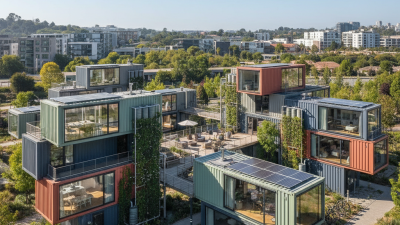
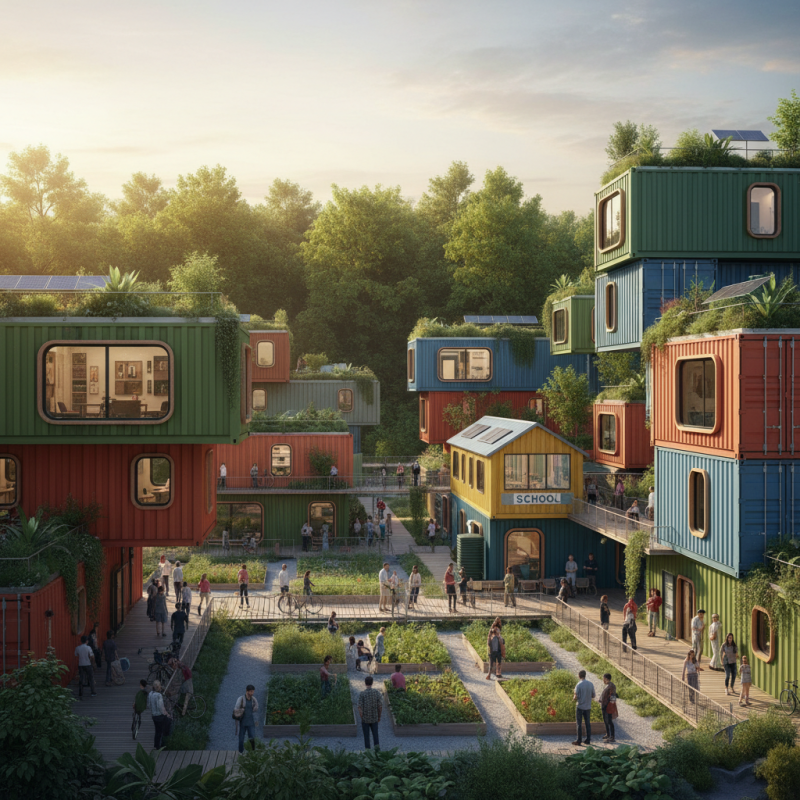
Imagine vibrant communities built with these structures, each telling a story. Modular shipping containers can be repurposed for homes, offices, and even schools. Their affordability and reduced environmental impact create appealing alternatives to traditional construction. Yet, challenges remain. Public perception often sees them as mere temporary structures.

Moreover, not all designs harness the full potential of modular shipping containers. Some may lack insulation, leading to energy inefficiency. As we explore this topic, it's vital to consider both the promise and the pitfalls. The future of sustainable living lies in striking a balance between innovation and practicality. Recognizing the imperfections can guide improvements in this exciting field.
Why Are Modular Shipping Containers the Future of Sustainable Living?

The Concept of Modular Shipping Containers in Sustainable Living

Modular shipping containers offer a unique approach to sustainable living. These repurposed structures are versatile and efficient. They can be transformed into homes, offices, or community spaces. Their robust designs are meant to withstand harsh environments. This adaptability opens up possibilities for creative living solutions.

Using modular containers promotes environmental awareness. They reduce construction waste by reusing materials. However, the initial setup can pose challenges. Insulation and energy efficiency often need attention. Deciding the layout is critical too. Not every container is suitable for every climate. It's essential to research local regulations and zoning laws.

This lifestyle also challenges norms about space and comfort. Minimalism becomes necessary in container living. Residents must rethink their needs and possessions. Life in a modular container can encourage community interaction. Shared spaces can foster connections among neighbors. Though it may not be ideal for everyone, it prompts reflection on how we live.
Advantages of Modular Shipping Containers for Eco-Friendly Housing

Modular shipping containers are changing the game for eco-friendly housing. They convert easily into homes, offices, and community spaces. These containers are made from durable steel, which can withstand harsh conditions. This sturdiness reduces waste during construction. Surprisingly, these structures can be customized for various needs.

One significant advantage is their mobility. They can be relocated with minimal impact on the environment. Plus, their modular nature allows for creative designs. However, the aesthetic may not suit everyone’s taste. Some might find them too industrial or simple. Balancing functionality and style can be challenging but worthwhile.

Another aspect is energy efficiency. With proper insulation, these containers can reduce energy costs significantly. They also offer a smaller carbon footprint compared to traditional homes. However, building codes and zoning laws sometimes complicate the process. Navigating these regulations requires careful planning and community involvement. These challenges highlight the need for ongoing dialogue about sustainable living solutions.

Advantages of Modular Shipping Containers for Eco-Friendly Housing

Design Flexibility and Customization in Shipping Container Homes

Why Are Modular Shipping Containers the Future of Sustainable Living?

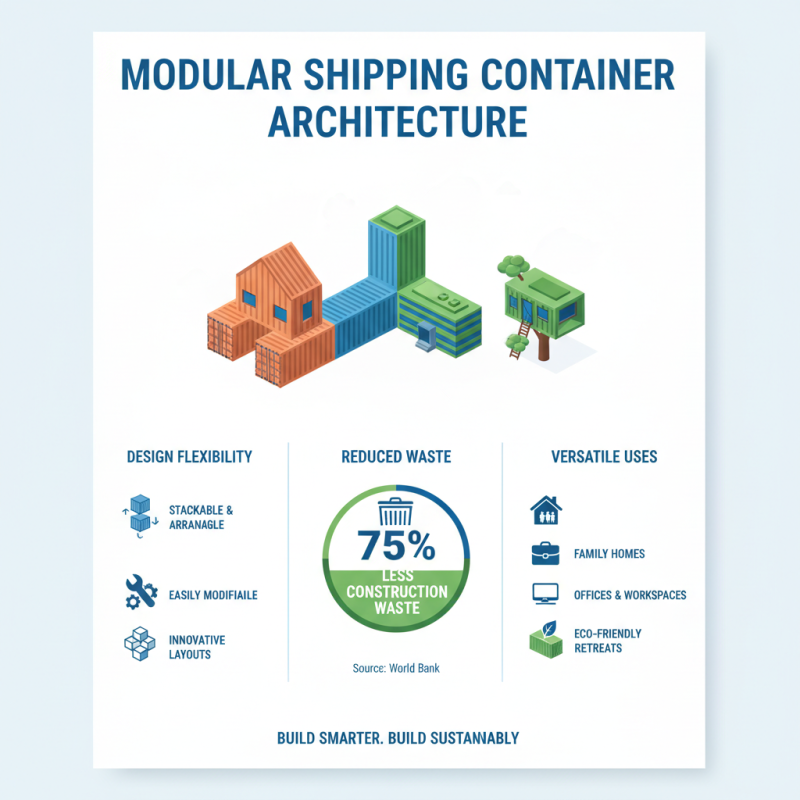
Modular shipping containers offer incredible design flexibility. They can be stacked, arranged, and modified easily. This versatility allows for innovative layouts that fit various needs. According to the World Bank, utilizing shipping containers can reduce construction waste by 75%. It's a compelling reason for builders to embrace this approach. Modular homes can be customized for families, offices, or even eco-friendly retreats.

Customization goes beyond just layout. Container homes can integrate sustainable technologies, such as solar panels and rainwater harvesting systems. A recent study highlighted that homes with these features can reduce energy costs by 30% or more. This adaptability appeals to individuals seeking a unique lifestyle, but it’s not without challenges. Zoning regulations can complicate the process, and not all areas are ready for container homes.

Moreover, while many see the beauty in a rustic container, others may find them unattractive. Addressing aesthetic concerns is crucial for wider acceptance. Some may see containers as mere structures, lacking warmth and character. However, with the right decor and landscaping, these homes can truly shine. Designing a container home is a journey where creativity meets practicality. Embracing this new form of living requires a mindset open to change and innovation.

Energy Efficiency and Resource Conservation in Modular Designs

Modular shipping containers are changing the way we think about sustainable living. They are often designed to maximize energy efficiency. For example, the use of natural insulation materials helps maintain indoor temperatures. This reduces dependency on heating and cooling systems. Improved ventilation systems further enhance air quality while minimizing energy use.

Resource conservation is another key benefit. Modular designs typically utilize recycled materials. This not only reduces waste but also lowers the demand for new resources. Rainwater harvesting systems can be incorporated, providing a sustainable source for non-potable uses. However, the challenge lies in the upfront construction phase. Some builders may find it difficult to source sustainable materials locally.

Living in modular containers may not be suitable for everyone. People have different preferences and lifestyles. Some might miss the traditional feel of a house. There is still a long way to go in making these designs universally appealing. But, as we rethink our living environments, modular containers offer a glimpse into a more sustainable future.

Why Are Modular Shipping Containers the Future of Sustainable Living? - Energy Efficiency and Resource Conservation in Modular Designs

Feature Benefit Impact on Sustainability
Energy Efficiency Reduced energy consumption Lower carbon footprint
Resource Conservation Maximized use of recycled materials Minimized waste production
Modular Design Flexible space utilization Supports diverse living needs
Durability Long-lasting structures Reduces the need for frequent repairs
Affordability Lower construction costs Increased accessibility to housing

The Role of Shipping Containers in Urban Development and Affordability

As urban areas continue to grow, the need for affordable housing becomes more pressing. Shipping containers offer a practical solution. These containers can be transformed into homes, offices, or even community spaces. According to a 2022 report by the World Bank, urban housing shortages affect over 1.6 billion people globally. Modular shipping containers can help bridge this gap.

The flexibility of shipping containers allows for unique designs in limited urban spaces. They can be stacked and arranged creatively, maximizing efficiency. A study by the Urban Land Institute found that converting containers can reduce construction costs by up to 30%. This makes housing more attainable for lower-income residents. However, challenges remain. Local regulations may limit container projects. Addressing these barriers is essential for success.

Tips: Always check local building codes before starting a container project. Networking with other container home builders can provide valuable insights. Consider the environmental impact of your design as well. A sustainable approach can lead to better community acceptance and long-term viability.

Contact Us