What is a Modular Shipping Container and How is it Used Today

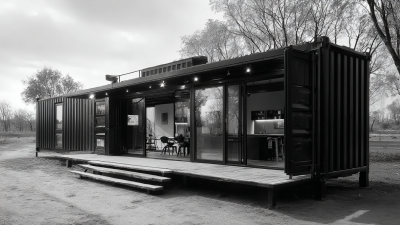
In recent years, the concept of a "modular shipping container" has gained significant traction across various industries, revolutionizing the way we think about architecture, logistics, and sustainable living. As renowned expert in modular design, Dr. Emily Carter, aptly states, "Modular shipping containers are not just a solution for transport; they are a canvas for creativity and innovation." These containers, originally designed for maritime shipping, have been repurposed to serve a myriad of functions, from temporary housing and pop-up shops to innovative office spaces and even disaster relief shelters.

The versatility of modular shipping containers stems from their robust structure and ease of transportation, allowing them to be deployed in remote or challenging environments. With the growing emphasis on sustainability, these containers also present an eco-friendly alternative to traditional building methods, contributing to reduced waste and energy conservation. As cities evolve and space becomes increasingly limited, the potential for modular shipping containers to address urban challenges cannot be overlooked. Their adaptability continues to inspire architects, urban planners, and entrepreneurs alike as they seek to redefine the future of living and working spaces.
What is a Modular Shipping Container and How is it Used Today

Definition and Characteristics of Modular Shipping Containers
What is a Modular Shipping Container and How is it Used Today

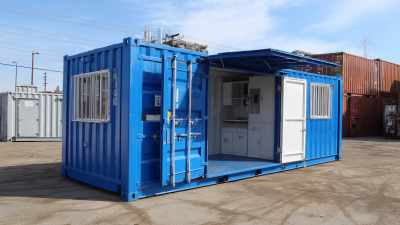
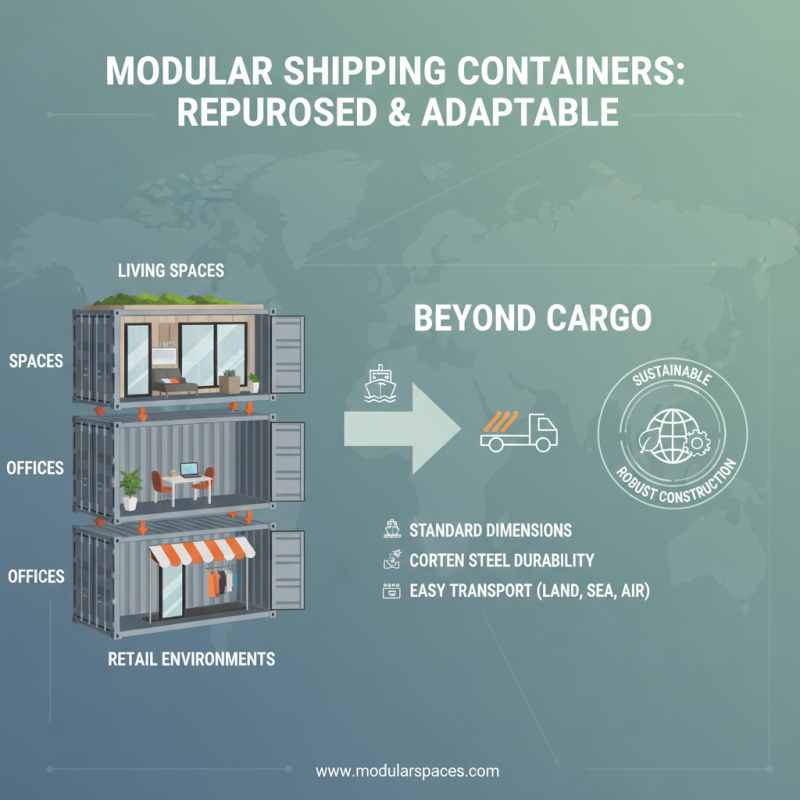
Modular shipping containers are specialized shipping units that have been repurposed for a variety of uses beyond their original intent. These containers are defined by their standardized dimensions, which typically follow international shipping regulations, making them easily transportable by land, sea, or air. Built primarily from corten steel, they are designed to withstand harsh environmental conditions, ensuring durability and structural integrity. Their robust construction allows for adaptation into functional living spaces, offices, or even retail environments.

One of the most significant characteristics of modular shipping containers is their versatility. They can be easily stacked or linked together to create larger structures, providing endless possibilities for design and configuration. Additionally, their modular nature allows for quick assembly and disassembly, making them an appealing choice for temporary and portable applications. Insulation and customization options further enhance their usability, making them suitable for a range of climates and purposes. Overall, modular shipping containers present innovative solutions in construction and design, reflecting a growing trend in sustainable and efficient building practices.
History and Evolution of Modular Shipping Containers

The concept of modular shipping containers has evolved significantly since their introduction in the mid-20th century. Initially designed for the efficient transportation of goods, these containers have transformed into versatile platforms for various applications, including housing, offices, and even disaster relief units. A pivotal moment in their evolution occurred during the 1960s when shipping companies recognized that standardizing container sizes could drastically reduce loading and unloading times, facilitating smoother logistics operations. According to a report by the International Chamber of Shipping, the global container fleet has grown to over 5.5 million TEUs (Twenty-foot Equivalent Units), significantly enhancing global trade efficiency.

As modular shipping containers gained popularity, they attracted attention from various sectors due to their inherent flexibility and cost-effectiveness. In recent years, a report by Research and Markets revealed that the global modular construction market, which includes shipping containers, is projected to reach $157 billion by 2023. This growth is largely driven by urbanization and the need for affordable housing solutions. Architects and builders have increasingly adopted shipping containers as a sustainable building material, capitalizing on their durability and the potential for reduced construction waste. The adaptability of these containers allows for innovative architectural designs, demonstrating their transformative potential in modern construction practices.

Common Applications of Modular Shipping Containers Today

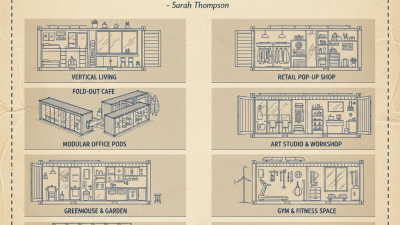
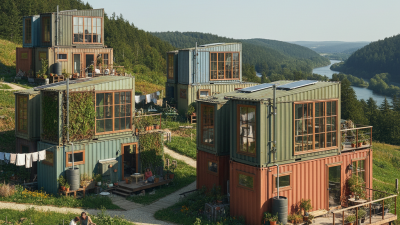
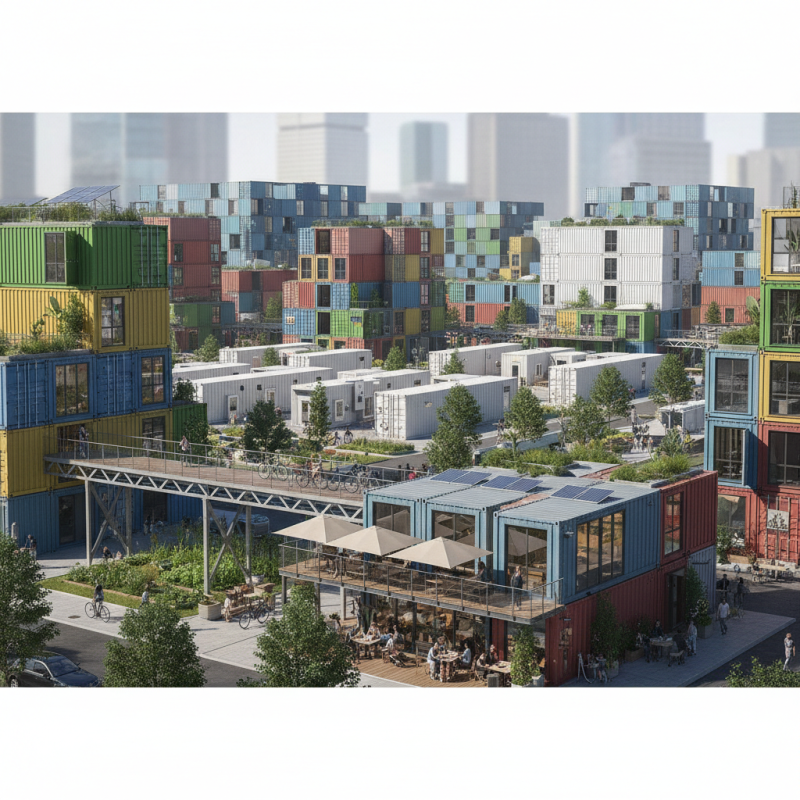
Modular shipping containers have found a multitude of applications across various sectors, reflecting their versatility and practicality. One notable use is in the construction industry, where these containers serve as durable building blocks for temporary or permanent structures. They can easily be modified to create modular homes, offices, and even pop-up shops. Their adaptability enables developers to minimize construction time and costs, while allowing for innovative designs that cater to specific needs.

In addition to construction, modular shipping containers are increasingly utilized in the retail sector. Many businesses have embraced container retailing by transforming these units into stylish storefronts and cafes. Their mobility allows entrepreneurs to set up shop in diverse locations, such as festivals or urban areas, where traditional retail spaces may be scarce or expensive. The trend of using containers for hospitality purposes is also on the rise, with establishments like container hotels offering unique and eco-friendly accommodations that appeal to travelers looking for distinctive experiences.

Advantages of Using Modular Shipping Containers in Construction

What is a Modular Shipping Container and How is it Used Today

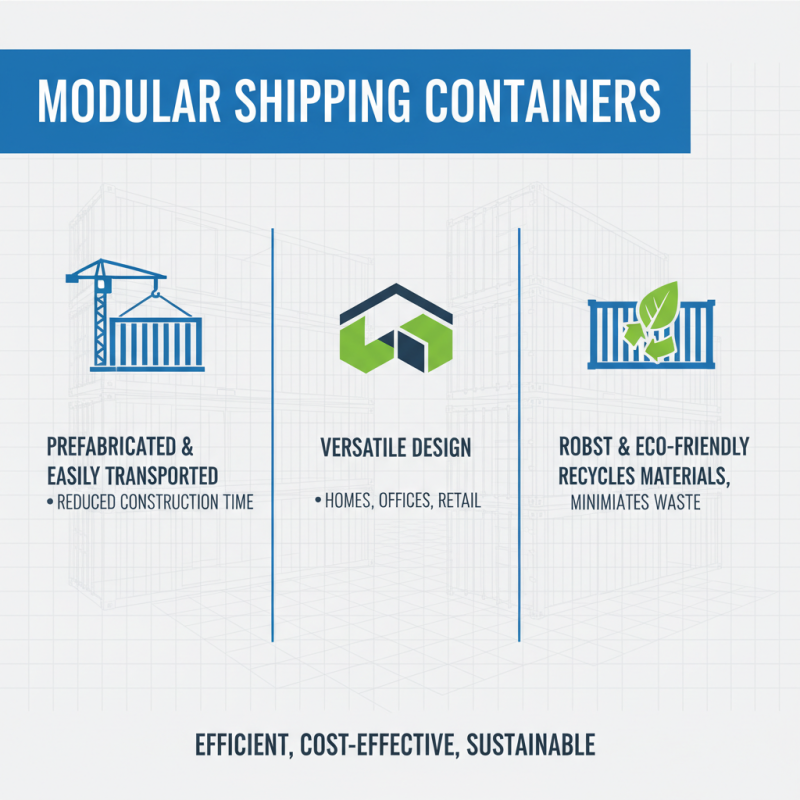
Modular shipping containers offer a versatile and efficient solution for modern construction needs. They are prefabricated units that can be easily transported and assembled, significantly reducing construction time and labor costs. The modular design allows for flexibility in creating various structures, from homes to offices and even retail spaces. With their robust build, these containers are not only cost-effective but also environmentally friendly, as they promote the recycling of existing materials and minimize waste.

One major advantage of using modular shipping containers in construction is their strength and durability. Made from high-quality steel, these containers can withstand extreme weather conditions, making them an ideal choice for diverse environments. Additionally, their modular nature means they can be easily expanded or modified as needed, catering to changing requirements without extensive renovations.

**Tips**: When considering modular containers for a project, think about the location and purpose of the structure. Ensure you understand local regulations and zoning laws to avoid any potential issues. Also, explore the various insulation and finishing options available, as these can greatly enhance the livability and aesthetic appeal of the space.

Future Trends and Innovations in Modular Shipping Container Use

The use of modular shipping containers has evolved significantly, driven by innovation and the demands of modern society. Today, these versatile structures are not only used for traditional shipping purposes but are also being repurposed for residential, commercial, and even recreational use. One of the key future trends is the integration of smart technologies within these containers. With the rise of the Internet of Things (IoT), shipping containers are being equipped with sensors and connectivity features that allow for real-time data monitoring, enhancing both functionality and safety.

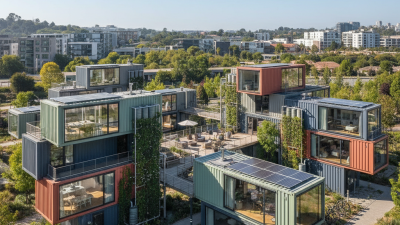
Another promising trend is sustainability. As environmental concerns grow, modular shipping containers are being designed with eco-friendly materials and energy-efficient systems. For instance, the incorporation of solar panels and rainwater harvesting systems makes these containers a more sustainable option for various applications. Additionally, as urban areas grapple with housing shortages, the modular nature of shipping containers provides an innovative solution. They can be easily transported and assembled, making them an attractive option for rapid deployment of housing in disaster-stricken areas or as temporary solutions in urban environments. The focus on adaptability and sustainability positions modular shipping containers as essential elements in the future of urban development and emergency response.

What is a Modular Shipping Container and How is it Used Today - Future Trends and Innovations in Modular Shipping Container Use

Dimension Value
Standard Container Size 20 ft, 40 ft
Average Weight 2,300 kg - 4,200 kg
Materials Used Steel, Aluminum, Composite Materials
Typical Use Cases Modular Housing, Office Spaces, Retail Shops
Sustainability Features Recycled Materials, Reusable Structures, Reduced Carbon Footprint
Future Trends Smart Containers, Eco-Friendly Designs, Modular Urban Development

Contact Us