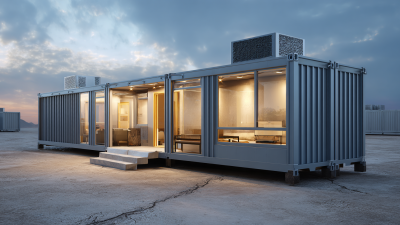
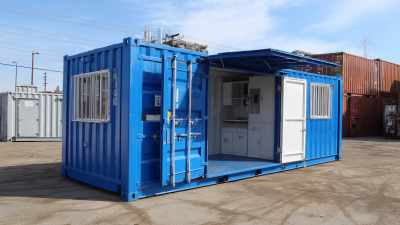
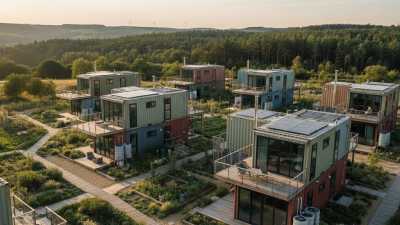
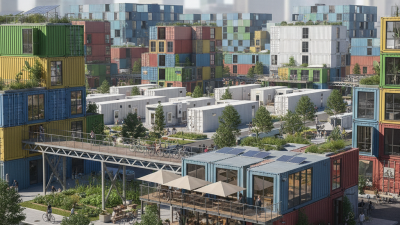
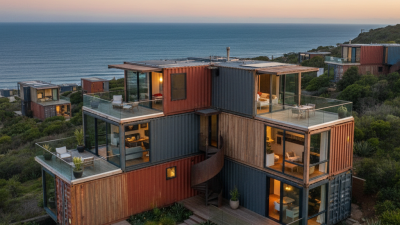
In the world of construction and logistics, the term "modular container" has gained significant traction. According to industry expert John Smith, "Modular containers provide flexibility and efficiency in modern construction." These units are designed to be easily transported and relocated. They can serve various purposes, from on-site offices to complete housing solutions.
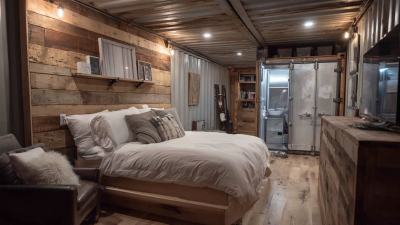
Modular containers are revolutionizing how we think about space. Imagine a sleek container transformed into a cozy living area. This adaptability is what draws many to the modular approach. However, challenges exist. Not every design fits all needs. Also, some may question their durability compared to traditional structures.
The increasing demand for sustainable solutions also puts pressure on the modular container industry. Balancing cost, functionality, and environmental impact remains a complex task. Despite these hurdles, the future of modular containers looks promising. They offer innovative solutions that blend creativity with practicality.
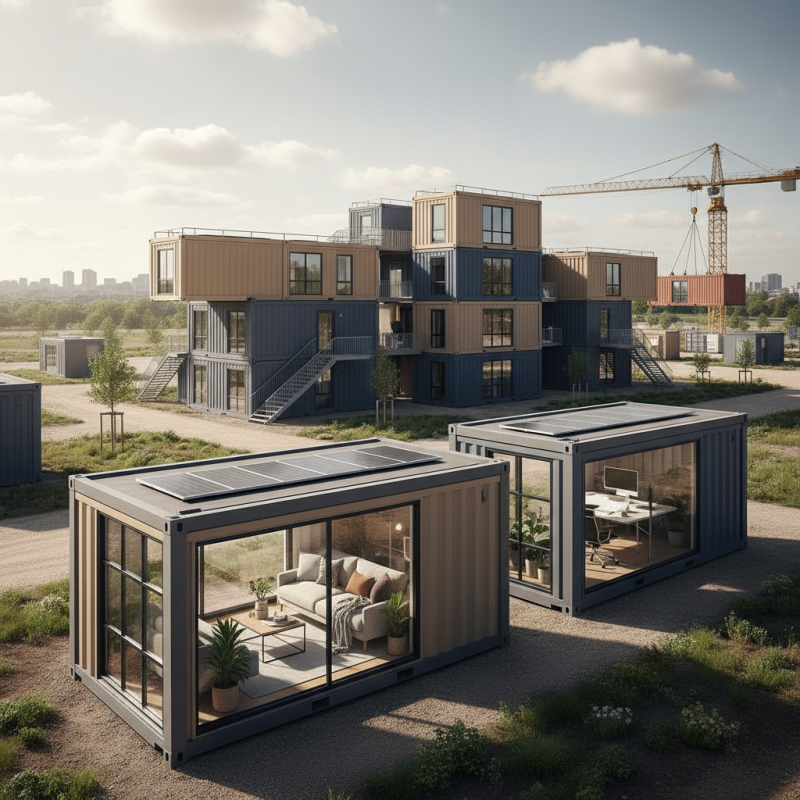
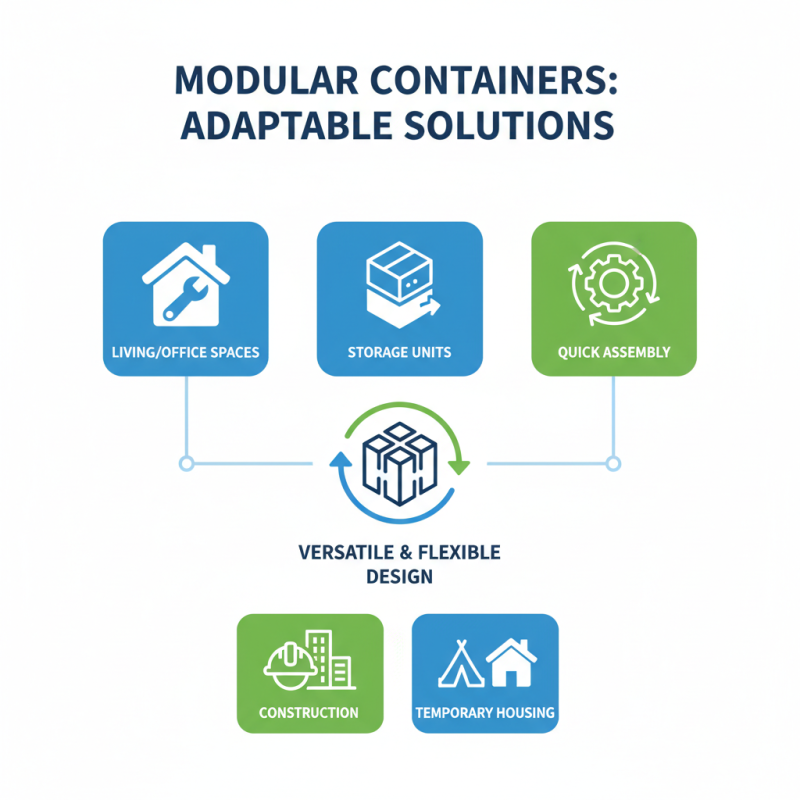
Modular containers are innovative structures designed for various uses. They can serve as living spaces, offices, or storage units. These containers are highly versatile and can be easily assembled or disassembled. Their structure allows for flexibility in design and function. Companies often utilize them for quick solutions in construction or temporary housing.
Tips: When considering a modular container, think about the intended purpose. Will it be for long-term use or a short project? This will greatly impact your design choices. Choosing the right materials is crucial. Lightweight options may save costs, but heavier materials can offer better insulation.
Modular containers can face challenges. For instance, modifications may not always fit seamlessly. Zoning laws can complicate installation in some areas. It's important to research local regulations ahead of time. The adaptability of modular containers often leads to hasty decisions, which can result in regrets later. Understanding your needs and limits can guide better outcomes.
The concept of modular containers has a rich history in the shipping industry. In the early days of shipping, goods were packed in barrels and crates. This often led to damage and inefficiency. The need for a better solution became clear as global trade expanded.
In the 1950s, a revolutionary idea emerged. Standardized shipping containers began to take shape. These containers could be efficiently loaded, unloaded, and transported. However, the transition was not smooth. Companies were resistant to change, and infrastructure was lacking. Some ports struggled to adopt this new method.
Over time, modular containers evolved. They became essential for international trade networks. Various sizes and designs were introduced to accommodate different cargo. Yet, challenges remained. Some facilities did not adapt quickly enough, leading to delays. Understanding these historical hurdles is crucial. It highlights the ongoing need for innovation and adaptability in the industry.
| Year | Event | Description | Impact on Shipping |
|---|---|---|---|
| 1956 | Introduction of Standardized Shipping Containers | Malcolm McLean developed the first standardized shipping container. | Revolutionized cargo shipping, increased efficiency and reduced costs. |
| 1960s | Intermodal Shipping | Containers began to be used across different transportation modes (ship, truck, rail). | Streamlined logistics and reduced transportation times. |
| 1980s | Growth of Container Ports | Expansion of major ports to accommodate container ships. | Increased global trade and shipping volume. |
| 2000s | Technological Advancements | Implementation of RFID tracking and automated loading systems. | Enhanced tracking, security, and efficiency in shipping logistics. |
| 2020s | Sustainability Initiatives | Focus on eco-friendly materials and carbon reduction in shipping. | Promoting sustainable practices within the shipping industry. |
Modular containers are transforming various industries through their versatility and practicality. One key benefit is their adaptability. These containers can be used in construction, housing, and even as pop-up shops. For instance, a coffee shop can be set up in a modular container at a busy street corner. It offers a unique, streamlined look that can attract customers.
Another advantage lies in the speed of deployment. Modular containers can be transported quickly and assembled in days rather than months. This is particularly useful in emergencies. After disasters, modular units can provide immediate housing or operational centers. Their design can accommodate basic necessities easily.
Lastly, sustainability plays a role. Many modular containers are made from recycled materials, reducing waste. They can also be repurposed for new uses, unlike traditional buildings which often end up discarded after their life cycle. However, there are challenges. Not every space is suited for these structures. Local regulations may also present hurdles. It’s vital to consider these factors before deciding on modular containers for a project.
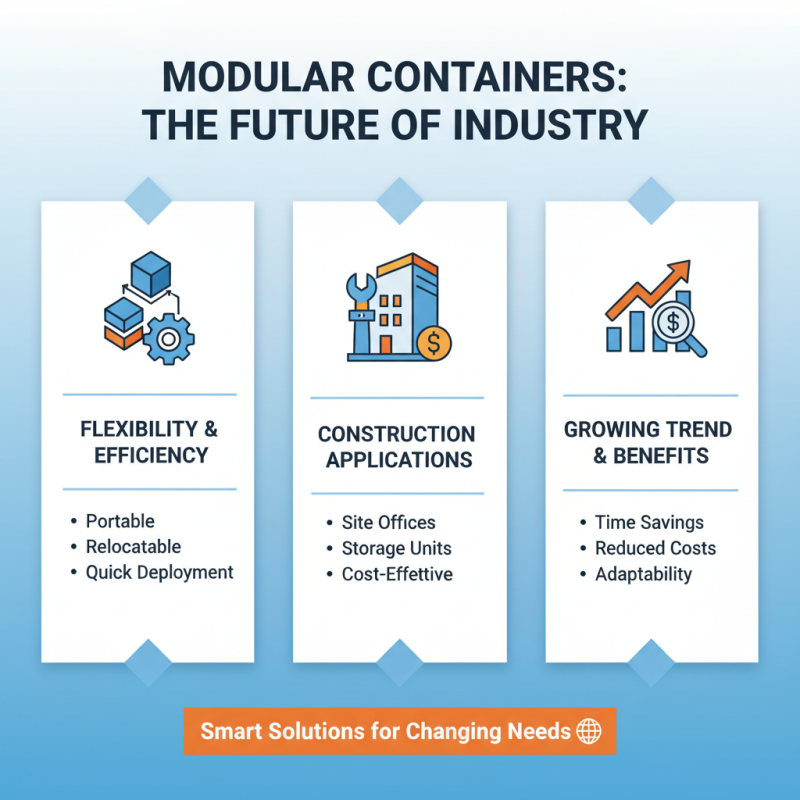
Modular containers are becoming increasingly popular across various industries. They offer flexibility, efficiency, and adaptability. In construction, modular containers serve as portable offices or storage units. These containers can be easily relocated, making them ideal for sites with changing needs. Data shows a growing trend in their use. Many construction firms save time and money with modular solutions.
In healthcare, modular containers create temporary medical facilities. They can be rapidly deployed in response to emergencies. During the pandemic, these units provided essential care when traditional facilities were overwhelmed. However, some may find challenges with ventilation or space limitations in these setups.
Retail businesses also embrace modular containers. They can be transformed into pop-up shops or kiosks. This approach allows for unique customer experiences in various locations. Despite their advantages, businesses must consider zoning laws or community acceptance. These factors may affect implementation and overall success.
The future of modular container design is promising yet complex. As the world shifts towards sustainability, these containers adapt to meet new challenges. Innovations in materials are crucial. Some manufacturers are exploring recycled plastics and eco-friendly composites. This shift aims to reduce carbon footprints significantly.
Designers are also experimenting with biophilic elements. Incorporating greenery into containers can improve air quality and create a calming environment. However, challenges exist. Integrating nature into design requires careful planning. Not all spaces allow for plants, which can lead to missed opportunities for health benefits.
Sustainability initiatives in modular containers should consider energy efficiency. Utilizing solar panels can make containers more self-sufficient. This approach reduces reliance on traditional power sources. Yet, the cost of implementation can be high, causing hesitation among developers. Balancing practicality with innovative designs is a constant struggle, requiring ongoing reflection and adjustment.