10 Essential Tips for Sustainable Living in Container Dwellings: Transform Your Space

As urbanization continues to escalate, the demand for sustainable living solutions has become increasingly critical. Among the innovative alternatives, container dwellings are emerging as a viable option for environmentally conscious individuals. According to a report by the International Energy Agency, the construction and operation of buildings contribute significantly to global energy-related CO2 emissions, responsible for nearly 40% of the total. Container housing not only utilizes repurposed materials, reducing waste and promoting a circular economy, but also demonstrates energy efficiency and reduced carbon footprints, making them an appealing choice for a growing demographic.
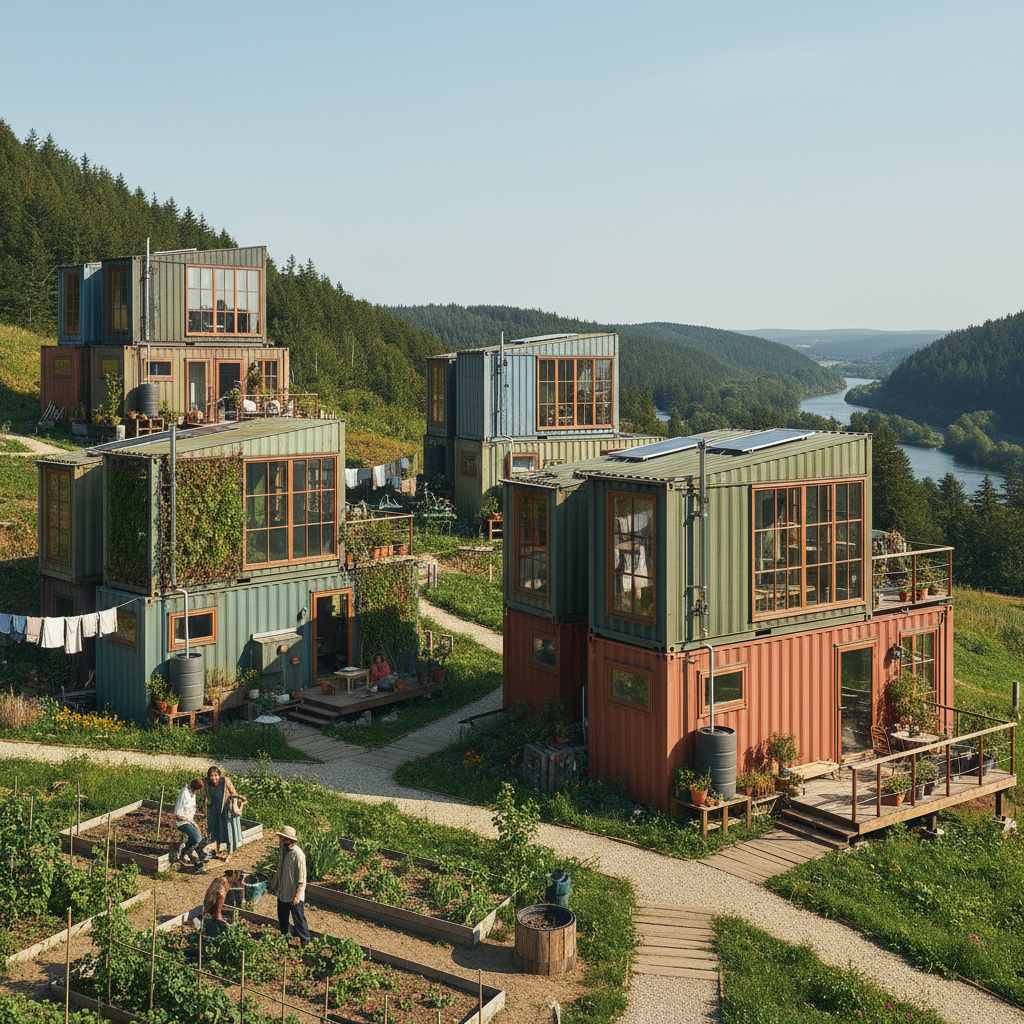
10 Essential Tips for Sustainable Living in Container Dwellings: Transform Your Space

Furthermore, the World Green Building Council emphasizes that sustainable building practices can lead to considerable long-term savings and improved quality of life. Container dwellings, with their modular designs, allow for energy-efficient adaptations, versatile layouts, and comprehensive integration of renewable technologies. By embracing sustainable living in container dwellings, individuals can actively participate in the global effort to combat climate change while enjoying the benefits of innovative and cost-effective housing solutions.

In light of these compelling insights, this article presents ten essential tips for transforming your space into a sustainable haven, showcasing how container dwellings can be tailored to meet eco-friendly living standards without sacrificing comfort or style.

Creating a Green Oasis: Choosing Sustainable Materials for Container Homes

Creating a green oasis in container homes starts with the careful selection of sustainable materials. According to a 2020 report by the Sustainable Building Industry Council, using recycled and eco-friendly materials can reduce a home's carbon footprint by up to 50%. For container dwellings, consider using reclaimed wood for interiors and sustainable insulation materials like cellulose or sheep's wool. These not only offer excellent thermal performance but also enhance indoor air quality, making your living space healthier.

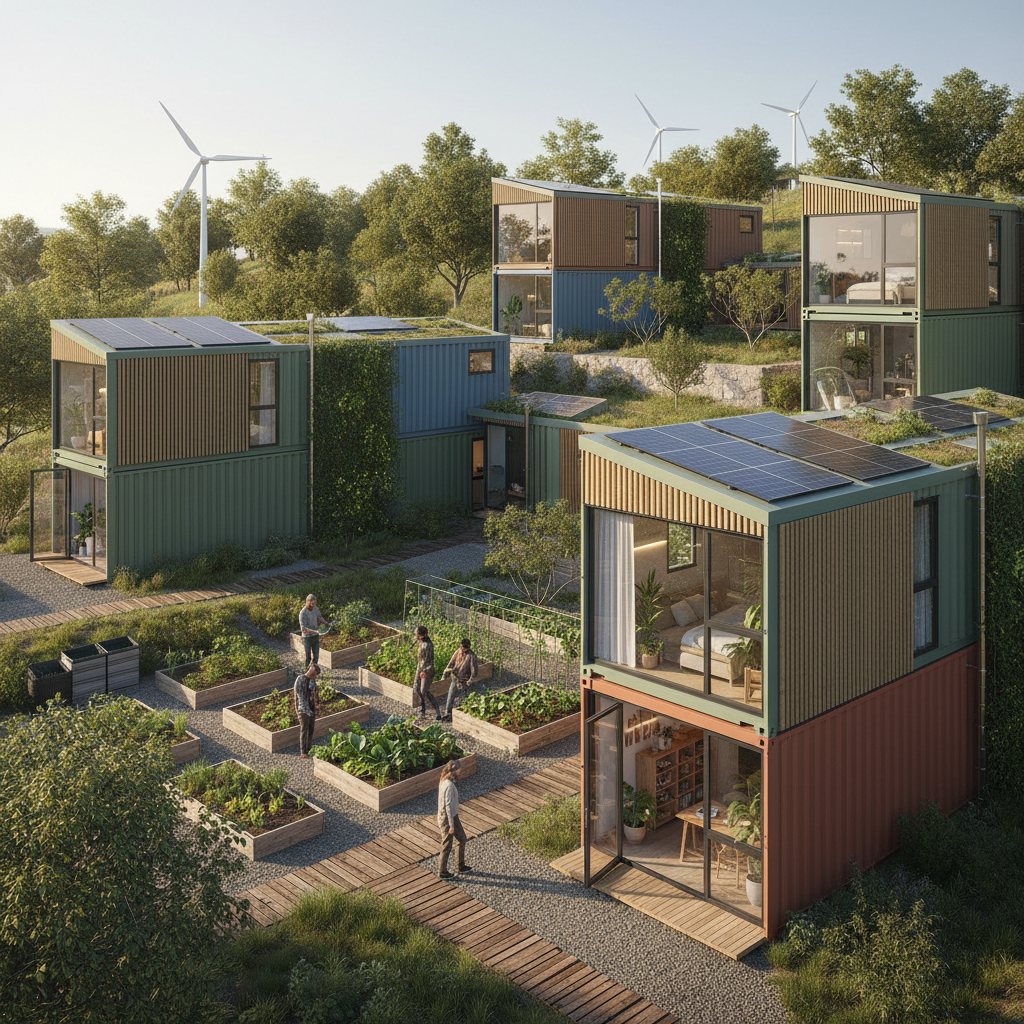
When it comes to energy efficiency, integrating renewable energy sources such as solar panels can significantly offset energy costs. The U.S. Department of Energy estimates that homes equipped with solar systems can save an average of $20,000 over 20 years. In addition, opt for low-VOC paints and finishes to minimize harmful emissions, fostering a safer environment within your container home.

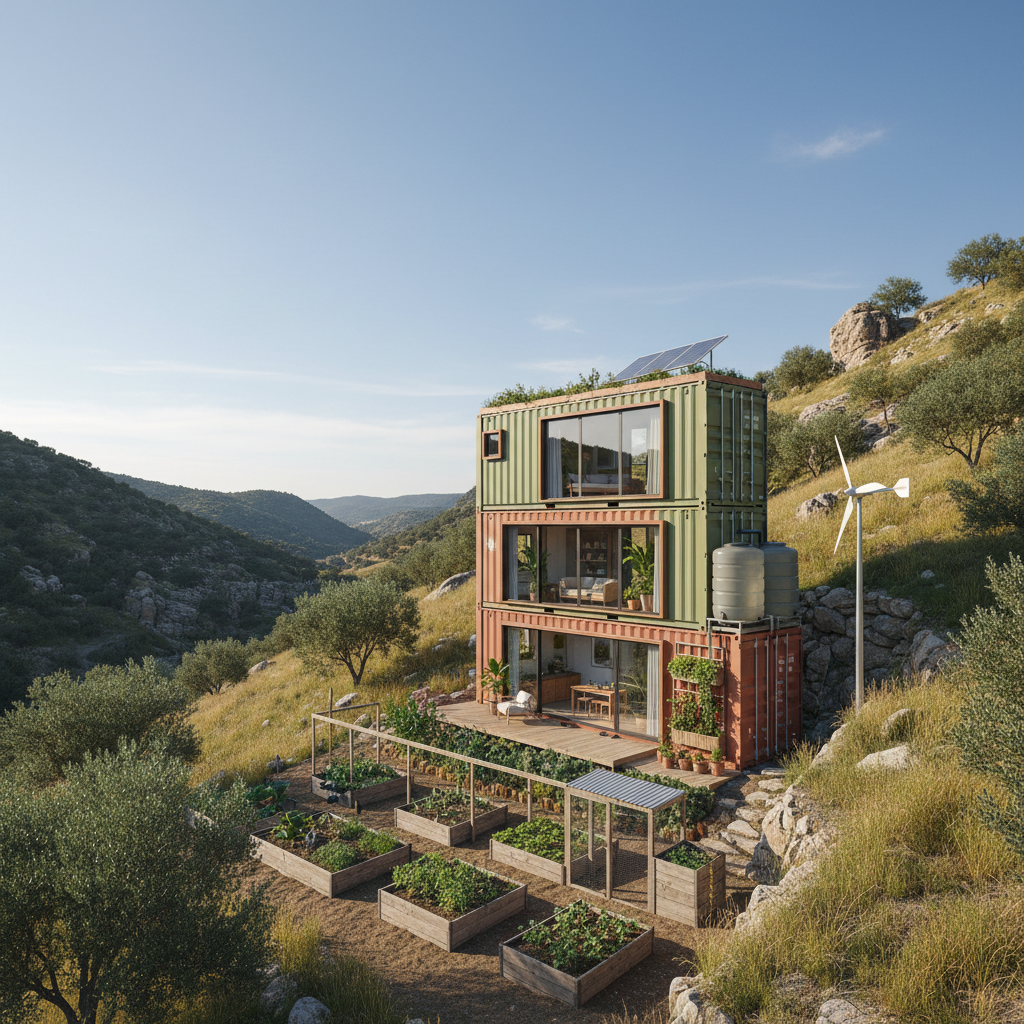
To foster a truly sustainable lifestyle, focus on water conservation strategies as well. Collecting rainwater for irrigation or using greywater systems can greatly reduce water waste. Implementing these practices not only transforms your container dwelling into a green sanctuary but also sets a precedent for eco-friendly living.
Maximizing Energy Efficiency: Smart Design Strategies for Container Living

10 Essential Tips for Sustainable Living in Container Dwellings: Transform Your Space When it comes to maximizing energy efficiency in container dwellings, smart design strategies play a critical role. One effective approach is to leverage the natural elements through passive solar design. Positioning windows to capture sunlight during winter while providing shade in summer can significantly reduce heating and cooling costs. For instance, incorporating large south-facing windows allows for an abundance of natural light during the colder months, making the interior warm and inviting without over-relying on artificial heating.

Another essential strategy is the use of high-quality insulation materials in container construction. Enhanced insulation minimizes heat loss during winter and heat gain during summer, ensuring a comfortable living environment year-round. Additionally, installing energy-efficient appliances and integrating renewable energy sources, such as solar panels, can drastically reduce overall energy consumption. By combining these design principles, container living can become not only sustainable but also an efficient alternative to traditional housing, encouraging a lifestyle that is both eco-friendly and economically viable.

Incorporating Vertical Gardens: Enhancing Air Quality and Aesthetics

Incorporating vertical gardens into container dwellings not only enhances the aesthetic appeal of your living space but also significantly improves air quality.

Vertical gardens, often referred to as living walls, utilize vertical space to grow a variety of plants, making them ideal for homes with limited square footage. By utilizing containers mounted on walls or freestanding structures, you can create a lush, inviting atmosphere that breathes life into your environment.

The greenery can soften the harsh lines of urban living, adding a touch of nature that promotes tranquility and relaxation.

Beyond visual enhancements, vertical gardens play a crucial role in air purification.

Plants naturally filter pollutants and carbon dioxide, releasing oxygen in return, which is essential for maintaining a healthy indoor environment. Certain species, such as ferns, spider plants, and peace lilies, are particularly effective at removing toxins from the air. Additionally, the presence of plants can help regulate humidity levels, contributing to overall comfort.

By integrating vertical gardens into your container dwelling, you are not only beautifying your home but also creating a healthier living space for you and your family.

Water Conservation Techniques: Innovative Solutions for Container Dwellings

Innovative water conservation techniques are essential for enhancing sustainability in container dwellings, where space and resources are often limited. According to a report from the American Society of Civil Engineers, approximately 30% of urban water use is dedicated to outdoor irrigation. In a container environment, implementing drip irrigation systems can significantly reduce this water usage by delivering precise amounts of water directly to plants' roots, minimizing evaporation and runoff. This method not only conserves water but also promotes healthier plant growth, making it an effective solution for urban gardening in confined spaces.

10 Essential Tips for Sustainable Living in Container Dwellings: Transform Your Space

Another effective strategy is the installation of rainwater harvesting systems, which allow homeowners to collect and store rainwater for irrigation and other non-potable uses. A study by the Environmental Protection Agency indicates that rainwater harvesting can reduce municipal water demand by as much as 50%. For container dwellers, adapting these systems involves creating simple rain barrels or using more sophisticated underground storage tanks, which not only maximize limited space but also contribute significantly to sustainable living practices. By integrating these innovative approaches into container homes, residents can effectively manage their water resources while fostering a responsible environmental footprint.

Embracing Minimalism: Simplifying Lifestyle Choices for Sustainable Living

Embracing minimalism is a powerful approach to sustainable living, particularly in container dwellings, where space is limited. By simplifying lifestyle choices, individuals not only reduce their environmental footprint but also create a tranquil living environment. According to a report from the Global Footprint Network, reducing consumption and living with less can significantly impact one’s ecological footprint, cutting it by up to 50% in some cases. This shift towards minimalism encourages the use of multifunctional furniture and consciously curated belongings, enabling residents to make the most of their compact spaces.

Moreover, adopting a minimalist mindset fosters mindfulness about consumerism. A study published in the Journal of Consumer Research highlights that less clutter leads to improved mental well-being, showing that a simplified lifestyle can enhance quality of life. By prioritizing experiences over possessions, container dwellers can cultivate a deeper appreciation for their surroundings while promoting sustainability. The transition to minimalism not only supports eco-friendly living but also aligns perfectly with the principles of container architecture, where intentionality and simplicity are fundamental.

10 Essential Tips for Sustainable Living in Container Dwellings

This chart illustrates the impact of implementing essential tips for sustainable living in container dwellings. The data categories represent different sustainability practices, and their respective effectiveness ratings on a scale from 1 to 10.

Contact Us