Exploring Container Living Solutions for Modern Buyers?

As modern buyers seek innovative housing solutions, "container living" emerges as a compelling option. Architect and container living expert, Sarah Johnson, notes, "Container homes redefine our approach to space and sustainability." These structures are often both affordable and eco-friendly. However, they require careful consideration.

Container living is not just about saving money. It also offers a unique lifestyle choice. Buyers must weigh the advantages against potential drawbacks. For example, insulation can be a challenge, impacting comfort during extreme weather. Additionally, the layout may feel restrictive for larger families.

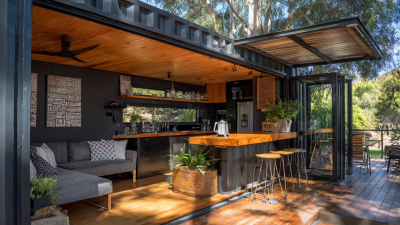
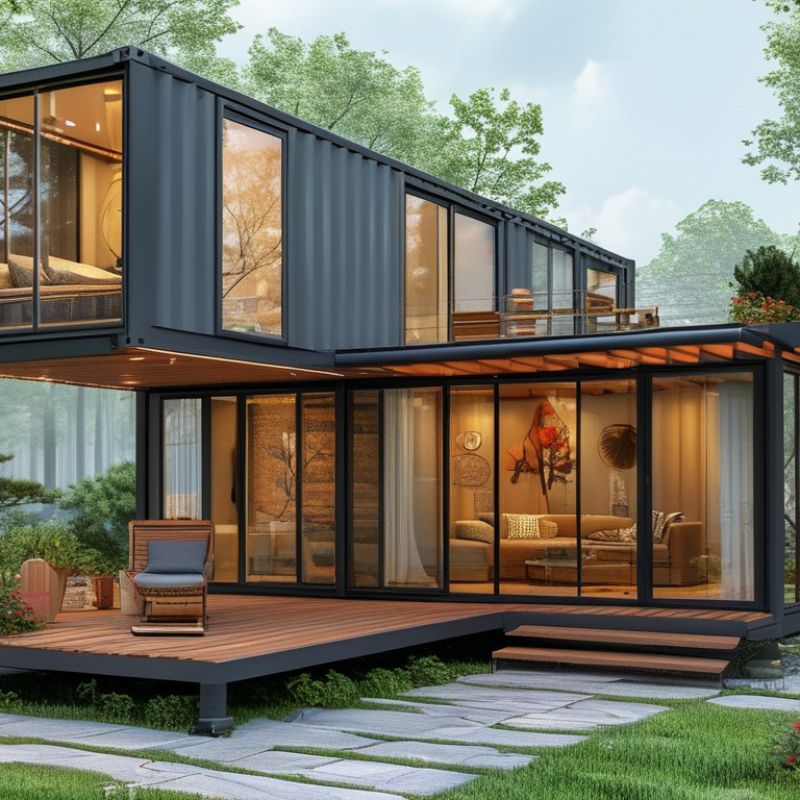
Despite these concerns, many are drawn to the aesthetic appeal of these homes. Unique designs can transform shipping containers into stunning living spaces. With thoughtful planning, container living can offer a perfect balance of style and function. However, it’s essential to reflect on how well this fits individual needs.
Exploring Container Living Solutions for Modern Buyers?

Understanding Container Living: An Overview of Modern Solutions

Container living is a modern solution that attracts many buyers. These innovative homes often come from repurposed shipping containers. They are eco-friendly and provide unique aesthetic charm. The versatility of containers allows for creative designs that can fit various lifestyles. Some prefer minimalist spaces, while others might want more luxurious finishes.

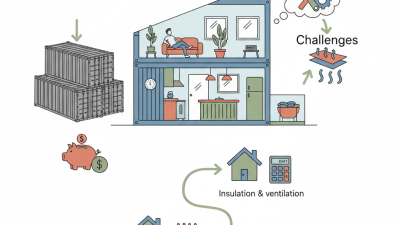
Transitioning to container living presents challenges. Insulation and ventilation are critical. Buyers may overlook structural integrity when customizing. It’s important to research local regulations, as zoning laws vary. Not every area permits container homes. Additionally, potential buyers should consider the initial costs. While buying a used container may seem affordable, renovations can add up quickly.

Yet, many find the simplicity and lower environmental impact appealing. Container living encourages a sustainable lifestyle. Owners often report a sense of community and connection to their surroundings. As this trend grows, more resources and experts are available. Engaging with experienced professionals can help navigate this evolving field. Understanding these aspects is crucial for modern buyers eager to embrace container living.

The Advantages of Container Homes in Today’s Real Estate Market

Container homes are gaining popularity in today’s real estate market. These innovative living solutions offer multiple advantages. They are affordable, quick to construct, and environmentally friendly.

Many buyers are drawn to the cost-effectiveness of container homes. Traditional houses come with hefty price tags. In contrast, containers provide a creative and budget-friendly alternative. Additionally, the construction process is much faster. A container can be converted into a home in weeks, not months. This speed appeals to those in need of immediate housing solutions.

While there are evident benefits, potential buyers must consider the challenges. Insulation and plumbing can be tricky in containers. Weatherproofing is crucial for comfort. Buyers need to invest time in research and planning. Moreover, zoning laws can complicate matters. Buyers may face hurdles in certain areas. It's essential to consult with local authorities before making decisions. A thoughtful approach will lead to greater satisfaction.

Key Design Considerations for Container Living Spaces

When considering container living solutions, design aspects play a crucial role. Compact spaces can feel confined without thoughtful layouts. The average living area in a shipping container is about 160 square feet, promoting efficient design. However, maximizing this space requires innovative solutions. Modular furniture can serve dual purposes, allowing flexibility for various activities.

Natural light is essential. Windows and skylights can open up a container, making it feel larger. A report from the American Institute of Architects highlights that proper lighting impacts mental well-being. Furthermore, insulation must be addressed. Container walls can conduct temperature extremes. Effective insulation greatly affects energy efficiency, with studies showing it can reduce heating costs by up to 40%.

Sustainability is an increasing consideration. Many modern buyers are environmentally conscious. Incorporating solar panels and rainwater systems can significantly lower the ecological footprint. A study from the Green Building Council indicates that sustainable designs not only save money but also enhance property value. Yet, challenges remain. Not all regions allow container homes due to zoning laws. Exploring these regulations is essential for prospective buyers.

Sustainability and Environmental Impact of Container Housing

Container housing is gaining traction as a sustainable living solution. With urbanization increasing, many buyers seek alternative options. According to a report by the U.S. Department of Housing and Urban Development, container homes can reduce construction waste by up to 75%. This statistic highlights the potential for positive environmental impacts.

However, the sustainability of container living is complex. Some containers contain toxic materials from their previous uses, which may pose health risks. Research indicates that proper decontamination is essential, but not always guaranteed. A study by the National Institute of Standards and Technology suggests that environmental certifications for container homes are crucial for consumer protection. Without them, buyers might unknowingly choose problematic materials.

Additionally, energy efficiency can vary widely in container housing. A report from the American Institute of Architects shows that, while containers can save energy, poor insulation can lead to higher heating and cooling costs. Buyers must weigh the benefits against potential challenges. It’s essential for modern buyers to research thoroughly and consult experts before making decisions.

Exploring Container Living Solutions for Modern Buyers - Sustainability and Environmental Impact of Container Housing

Feature Container Housing Traditional Housing
Construction Time Faster (4-8 weeks) Longer (6-12 months)
Cost Lower (average $10,000 - $50,000) Higher (average $200,000 - $300,000)
Environmental Impact Recycled materials; lower carbon footprint Higher resource and energy consumption
Energy Efficiency Can be designed for high efficiency Varies widely; often less efficient
Flexibility of Design Modular; easily customizable Limited to architectural plans
Durability Highly durable; resistant to pests Variable; subject to decay
Insulation Requires additional insulation Typically better built-in insulation

Challenges and Solutions in Container Living for Urban Dwellers

Container living offers a unique solution for urban dwellers. With rising housing costs, many seek innovative alternatives. Container homes are compact and often more affordable. They use recycled materials, promoting sustainability. However, this lifestyle comes with its own set of challenges.

One major issue is insulation. Containers can become quite hot or cold, depending on the season. Proper insulation is essential for comfort. Urban noise can penetrate easily into a container home. Soundproofing can mitigate this issue but may add to costs. Moreover, zoning laws often complicate container placement. Urban regulations can be confusing and vary greatly.

Another consideration is space. While efficient, container homes are limited in square footage. Creative design solutions are necessary to maximize utility. Many residents must adapt their lifestyles to fit smaller spaces. This can be a challenge but may also promote minimalism. Achieving a balance between functionality and comfort requires careful planning.

Challenges and Solutions in Container Living for Urban Dwellers

Contact Us