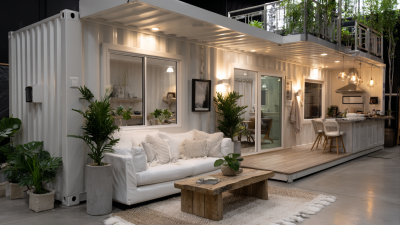
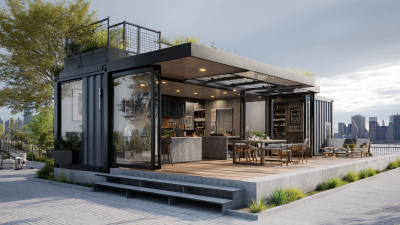
Container dwellings have gained significant attention in recent years. These innovative living spaces, constructed from repurposed shipping containers, offer sustainable solutions for housing needs. A report from the World Economic Forum noted a 40% increase in interest in eco-friendly building practices since 2020. This trend reflects a growing awareness of environmental issues.
The beauty of a container dwelling lies in its versatility and affordability. A container home can be customized to fit various lifestyles and budgets. According to a study by Grand View Research, the global market for modular and prefabricated homes, including container dwellings, is projected to reach $114 billion by 2027. Although numerous benefits exist, potential buyers should also consider the challenges, such as insulation and zoning regulations.
As urbanization accelerates, container dwellings present a viable path to sustainable living. They encourage a new way of thinking about space and resources. However, not every project may meet the design and functionality standards expected by homeowners. It's essential to weigh both advantages and drawbacks when exploring this growing trend.
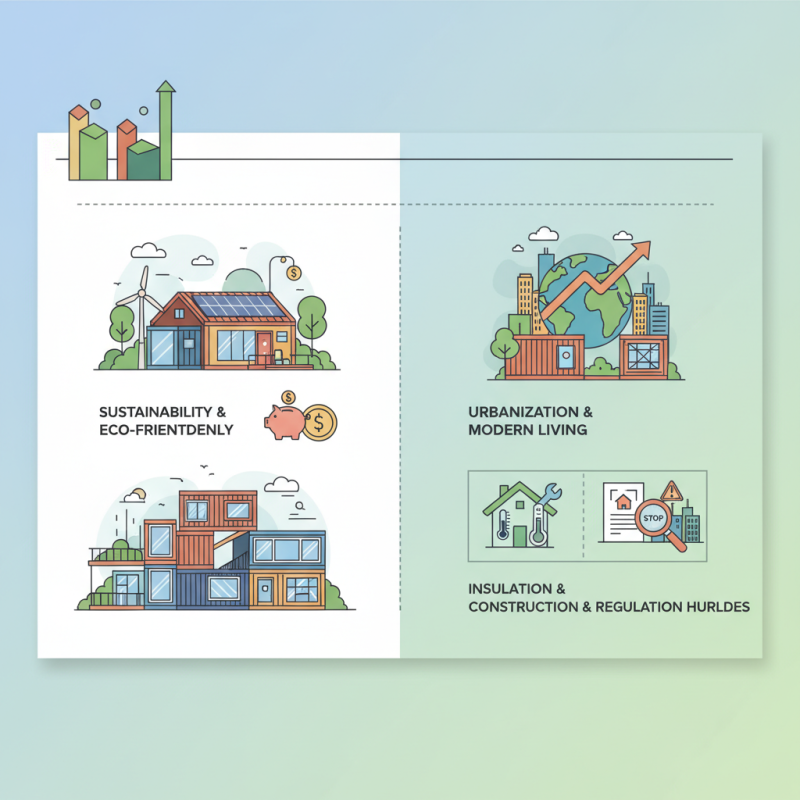
Container dwellings have gained popularity as a unique housing solution. These homes are built from repurposed shipping containers. They offer a blend of modern design and sustainability. Container dwellings can be customized to fit various needs. Each container can be transformed into a cozy living space.
Living in a container can have its challenges. Insulation is crucial for temperature control. Container homes can become hot in summer and cold in winter. Proper ventilation and air circulation are essential. Many owners also need help with plumbing and electrical setup. These factors require careful planning and execution.
Despite these challenges, container living is appealing to many. The reduced building time and costs attract homeowners. Additionally, eco-friendliness is a significant draw. Containers are often made from steel, which is durable and recyclable. For those open to creative living spaces, container dwellings present an intriguing option.
| Aspect | Details |
|---|---|
| Definition | A container dwelling is a home made from repurposed shipping containers, designed for residential use. |
| Cost Efficiency | Typically lower initial costs compared to traditional homes; fewer building materials required. |
| Sustainability | Uses recycled materials, reducing waste and carbon footprint. |
| Durability | Built to withstand harsh conditions, making them resilient and long-lasting. |
| Customization | Highly customizable in terms of design and layout; can be stacked or combined. |
| Mobility | Easily transported, ideal for temporary or mobile living situations. |
| Building Speed | Construction time can be reduced due to prefabrication options. |
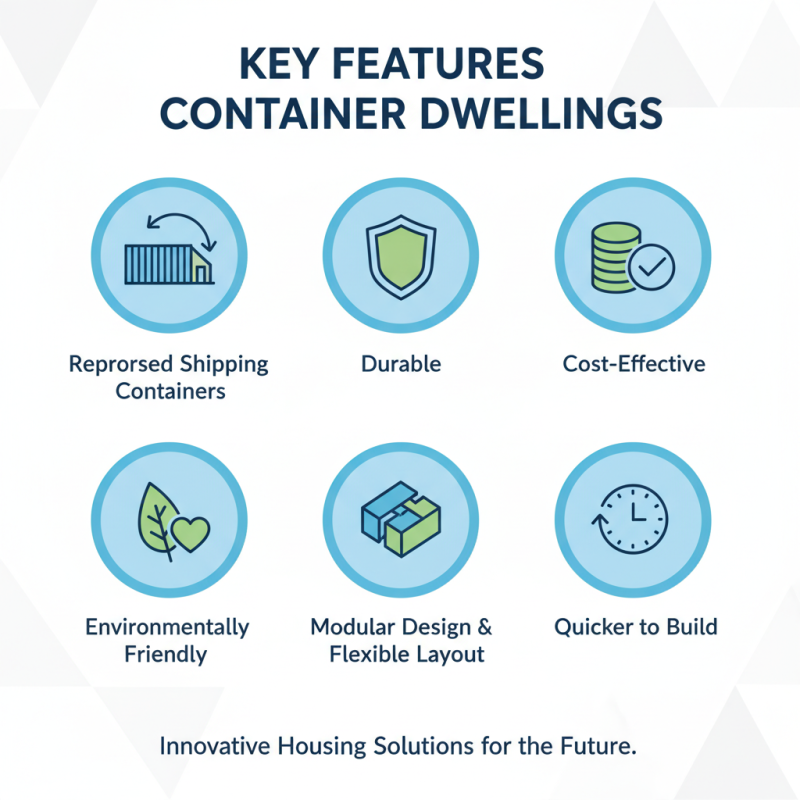
Container dwellings are innovative housing solutions that offer unique advantages. These structures are made from repurposed shipping containers. They are durable, cost-effective, and environmentally friendly. The modular design allows for flexibility in layout. Building with containers can be quicker than traditional homes.
One key feature of container dwellings is their energy efficiency. With proper insulation, they can stay cool in summer and warm in winter. Large windows may enhance natural light. This design not only saves energy but also reduces utility costs. Ventilation is crucial, though. Poor airflow can lead to discomfort.
When choosing a container home, consider the location. Local regulations can impact your design. You might face certain challenges. Not all areas are suitable for container homes. Research local building codes carefully. Also, think about the inner layout. Open spaces can feel more inviting. Plan for furniture and storage creatively.
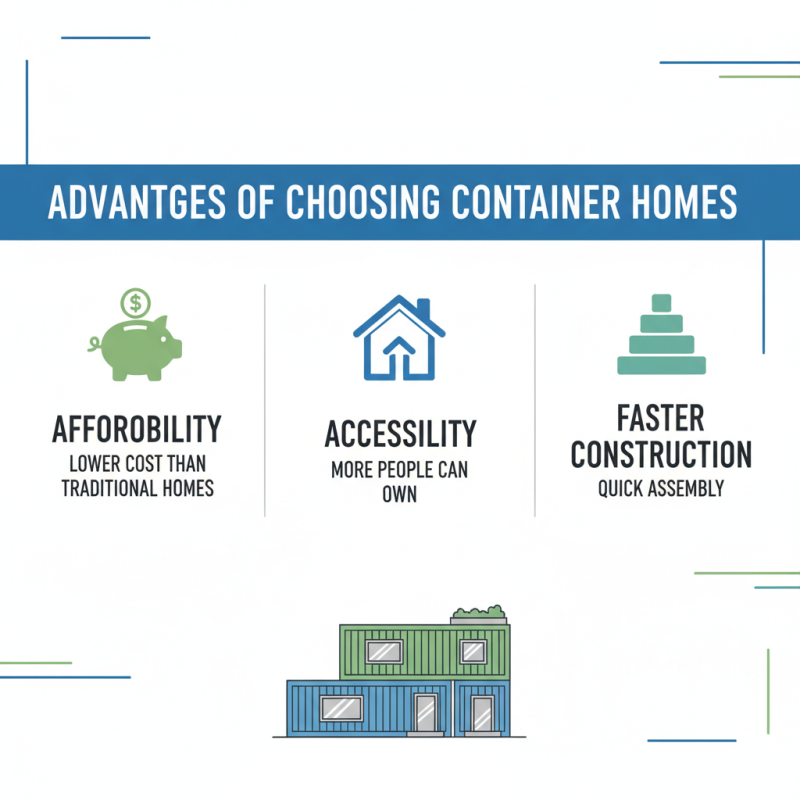
Container homes have gained popularity as innovative dwellings. These structures repurpose shipping containers into functional living spaces. One of the main advantages is their affordability. Container homes often cost less than traditional houses. This makes them accessible to more people. Lower construction costs can lead to substantial savings.
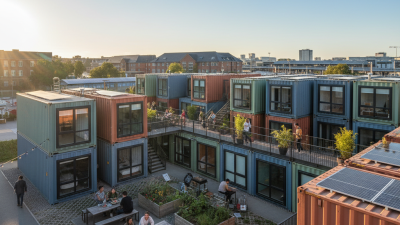
Sustainability is another significant benefit. Using repurposed materials reduces waste in landfills. Container homes can also be energy-efficient. Many designs incorporate solar panels and rainwater systems. These features create a smaller ecological footprint. However, potential buyers should note that not all containers are in perfect condition. Some may require extensive modifications to ensure safety and comfort.
Additionally, container homes are highly customizable. Owners can design spaces that fit their unique needs. Open floor plans allow for creative interior layouts. Yet, it's crucial to consider local building codes and zoning laws. These regulations can impact design choices. A thorough understanding of these factors is essential before making a decision. Every choice in the building process leads to reflection on practicality and personal values.
Container living offers a unique lifestyle, but it comes with its own set of challenges. One major issue is insulation. Container walls can get extremely hot or cold. This makes temperature control a priority. Homeowners must carefully choose insulation materials to prevent energy loss. Regular maintenance of these materials is also necessary to avoid moisture build-up.
Another challenge is space limitation. Containers are typically smaller than traditional homes. This can lead to a need for smart storage solutions. Downsizing is often required, which may be difficult for some people. Adapting to a new lifestyle can be a big adjustment. Some find it liberating, while others feel cramped.
Furthermore, zoning regulations can complicate container living. Some areas have laws against placing containers on residential land. This can restrict potential locations and require extra research. Homeowners must navigate through these regulations wisely to avoid legal issues. Overall, while container living can be appealing, it demands careful planning and consideration.
Container living presents unique challenges. The chart above illustrates common difficulties faced, rated on a scale from 1 to 10.
Container homes have gained popularity due to their versatility and eco-friendliness. These dwellings are created from repurposed shipping containers. They offer unique design options tailored to personal preferences. According to a report by the Container Housing Association, around 30% of potential homeowners consider container homes for their innovative designs.
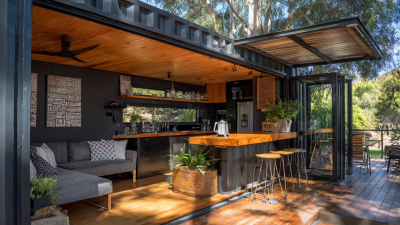
Customization is one of the strongest aspects of container living. Homeowners can choose layouts that fit their lifestyle. Open floor plans allow for space optimization. Unique exteriors can reflect individual styles, from modern minimalist to rustic. Furthermore, features like large windows can enhance natural light. However, creating a highly customized container home can lead to challenges. Factors such as insulation and ventilation require careful consideration to ensure year-round comfort.
While many envision their dream container home, planning can be complex. Local building codes should be evaluated to ensure compliance. A study by the National Association of Home Builders found that nearly 20% of container home projects faced delays due to regulatory issues. Homeowners might overlook potential resale value, as traditional buyers may be hesitant. Exploring all design options is crucial, yet one must remain realistic about the limitations of this style of living.