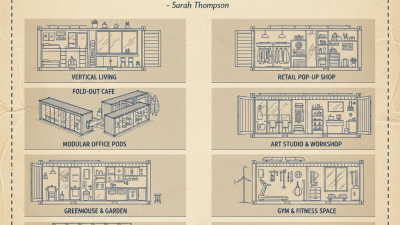
In recent years, container dorms have gained immense popularity among students. These innovative living spaces offer unique benefits. Constructed from repurposed shipping containers, they provide a modern and sustainable alternative to traditional dormitories. Many schools embrace this idea to accommodate the increasing number of students.
Container dorms are often more affordable. The costs associated with construction and maintenance are significantly lower. This cost-effectiveness is appealing, especially for students on tight budgets. In addition, the modular design allows for flexibility in space. Students can share rooms or have private living areas, depending on their needs.
However, container dorms come with challenges. Some may feel cramped in the limited space. The aesthetics of container dorms can also be a concern for some. While they offer practicality, they may not always deliver on comfort or style. Students must weigh these factors in their decision to live in such spaces. Nevertheless, the growing trend reflects a shift towards creative, economical solutions in student housing.
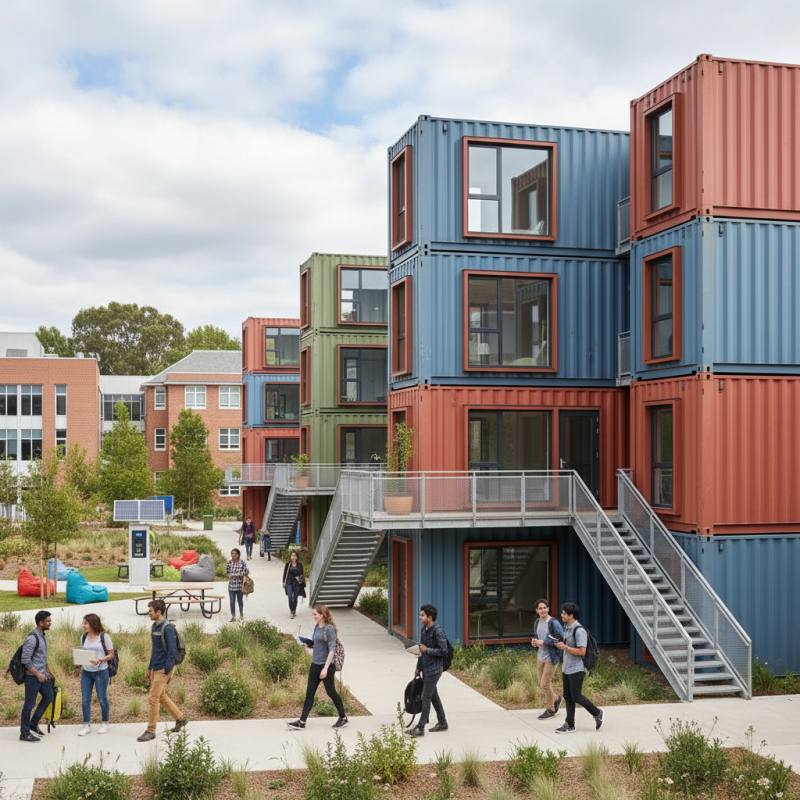
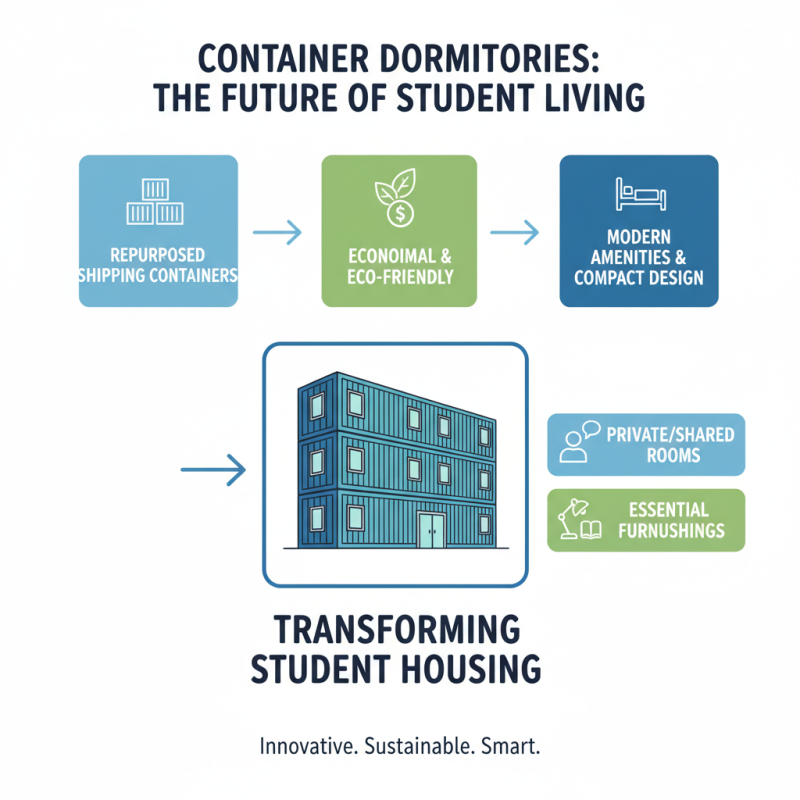
Container dormitories are transforming student living spaces. These unique structures offer a fresh take on traditional housing. Made from repurposed shipping containers, they are economical and environmentally friendly. The compact design maximizes space and minimizes waste. Such dorms often feature modern amenities. Students enjoy private or shared rooms with essential furnishings.
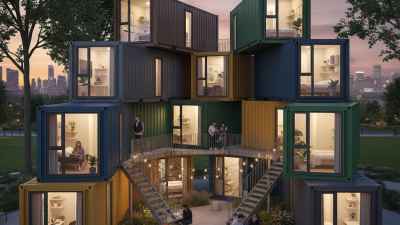
The idea behind container dorms is innovative yet simple. Each unit is modular and can be stacked or arranged creatively. This flexibility allows for diverse architectural designs. Many of these dorms incorporate communal areas. These shared spaces promote social interaction among students. However, not every student finds the concept appealing. Some miss the traditional dorm experience, with its open layouts and common lounges.
On the positive side, container dorms can reduce housing costs. They often require less investment than conventional buildings. Yet, sustainability must be considered. Are these structures truly eco-friendly? The materials used and energy needs should be evaluated. As students embrace this trend, it's vital to reflect on its long-term impacts.
Container dorms are becoming a popular choice among students for their unique advantages. One major benefit is cost-effectiveness. According to a recent industry report, container dorms can reduce housing expenses by up to 40% compared to traditional residence halls. This makes them an appealing option for budget-conscious students.
Additionally, container dorms are highly customizable. Students can choose layouts and designs that suit their preferences. This flexibility encourages a sense of ownership over their living space. Many container dorms incorporate eco-friendly materials, promoting sustainable living. A study showed that eco-friendly facilities correlate with higher student satisfaction rates.
Tips: Consider location carefully. Proximity to campus is key. Also, think about shared spaces. Communal areas can enhance social interaction.
On the flip side, container dorms aren't without challenges. Some students find the size limiting. Space can become cramped quickly. This may lead to issues with privacy. Moreover, insulation and temperature control can be problematic. Students should be prepared to adapt their living conditions.
Tips: Personalize your space with decor. A few well-placed items can make it feel cozier. Always communicate with roommates about shared responsibilities.
Container dorms are becoming a popular choice for students seeking sustainable living options. They are made from repurposed shipping containers, which significantly reduces waste. This innovative architecture turns unwanted materials into functional spaces. The compact design promotes minimalism, allowing students to focus on essentials.
The environmental impact is noteworthy. Container housing often boasts lower carbon footprints compared to traditional buildings. They can be installed quickly, cutting down on construction waste. However, insulation and ventilation can be challenging. Some units may not be as efficient in extreme weather. This aspect raises questions about comfort and livability for all climates.
Additionally, container dorms can foster a sense of community. They often cluster together, creating communal spaces for interaction. Yet, privacy could be an issue. Students may feel cramped or exposed. While container dorms offer many benefits, they also invite reflection on student needs and expectations. Balancing sustainability with everyday comfort remains a crucial challenge.
This bar chart illustrates the key factors driving the popularity of container dorms among students, focusing on sustainability, affordability, and community engagement.
Container dorms are becoming increasingly popular among students. Their cost-effectiveness is a major draw. Traditional dorms often come with high expenses. Rent, utilities, and additional fees can add up quickly. Container dorms offer a more affordable option. They are usually cheaper to build and maintain. This translates to lower costs for students.
The design of container dorms is practical. Each unit is typically compact but functional. Students can enjoy private spaces while still benefiting from communal areas. This balance is appealing. Many container dorms also use sustainable materials. This helps keep costs low and is good for the environment.
**Tips:** Consider your needs when choosing housing. Look for amenities that matter to you. Visit several locations, if possible. Container dorms are innovative but may lack some traditional comforts. Be open to adjustments. Think about living with fewer possessions. It can be liberating. Embrace the minimalist lifestyle that container dorms encourage.
| Dimension | Traditional Dorms | Container Dorms |
|---|---|---|
| Average Rent per Month | $800 | $450 |
| Average Size (sq ft) | 150 | 200 |
| Utility Costs | $100 | $50 |
| Construction Time | 1 year | 3 months |
| Environmental Impact | High | Low |
The landscape of student housing is changing. Many students are now choosing
container dorms as an alternative. These unique spaces offer a blend of
affordability and creativity. Each unit can be customized to reflect personal style, which appeals to many younger
people. Container dorms also use sustainable materials, attracting those who care about the environment.
However, living in a container isn't for everyone. Space is limited and may feel cramped. Students need to adjust their expectations about comfort. Some might miss the amenities typical of traditional dorms. Yet, the appeal lies in the community aspect. These container complexes often foster a closer sense of camaraderie among residents.
As the demand for alternative accommodation grows, container dorms represent just one possibility. Students are
increasingly looking for options that reflect their lifestyles. From shared living spaces to eco-friendly designs,
the choices are expanding. But with these opportunities come new challenges, requiring students to adapt. The shift
in student housing invites reflection on what living arrangements truly fulfill their needs.