What are Container Dorms and How Do They Work for Students and Travelers

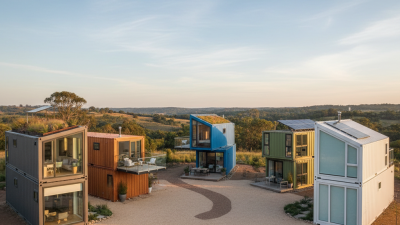
In recent years, the concept of "container dorms" has emerged as an innovative solution for accommodating students and travelers seeking affordable and flexible living options. These dormitories, constructed from repurposed shipping containers, provide a unique blend of efficiency, sustainability, and creativity. Expert in modular architecture, Dr. Emily Carter, notes, "Container dorms are not just about cost-effectiveness; they represent a shift toward sustainable living spaces that can adapt to the needs of a diverse population."

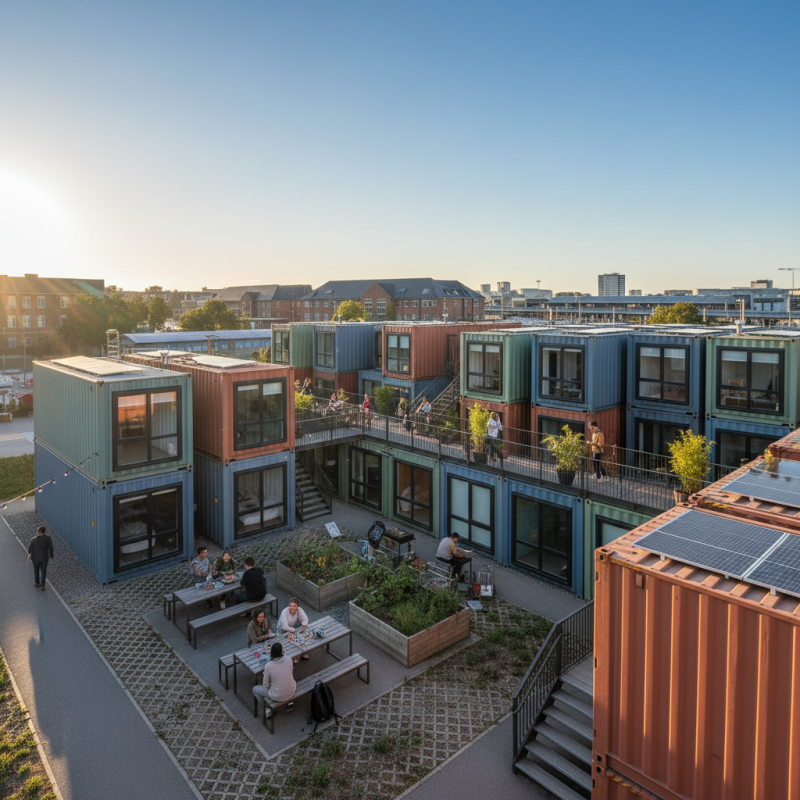
The design of container dorms often emphasizes communal living, fostering a sense of community among residents while promoting an environmentally friendly lifestyle. With their modular nature, these dormitories can be easily scaled and relocated, making them an attractive choice for universities and travel hubs. As more institutions and organizations recognize the benefits of container dorms, the conversation around student accommodation and temporary housing for travelers is evolving.

As we delve into the workings of container dorms, it becomes clear that they offer more than just a roof over one's head; they symbolize a new wave of affordable housing that is both functional and stylish. This exploration will highlight the various features, advantages, and potential challenges associated with container dorms, ultimately positioning them as a viable solution in the modern housing landscape.
What are Container Dorms and How Do They Work for Students and Travelers

What are Container Dorms?

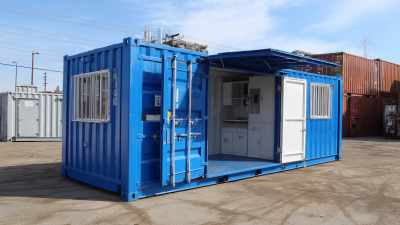
Container dorms are innovative accommodations that repurpose shipping containers into functional living spaces for students and travelers. These compact units are designed to provide essential amenities while maximizing the utilization of space. Typically, container dorms feature a bedroom area, a shared kitchen, and communal bathrooms, all within a minimal footprint. This type of lodging is not only cost-effective but also eco-friendly, as it promotes recycling and reduces the need for new construction materials.

When considering a stay in a container dorm, it's important to keep a few tips in mind. First, always check the reviews and ratings of the facility to ensure it meets your expectations for cleanliness and comfort. Second, consider the location; ideally, the dorm should be near public transport or key attractions to enhance your travel experience. Finally, remember to pack light, as space is limited in these compact accommodations, enabling you to make the most of your stay without being overwhelmed by bulky luggage.

Overall, container dorms represent a modern approach to housing, blending affordability and sustainability, making them an appealing option for a wide range of travelers and students seeking a unique living experience.
Key Features of Container Dorms for Students and Travelers

What are Container Dorms and How Do They Work for Students and Travelers

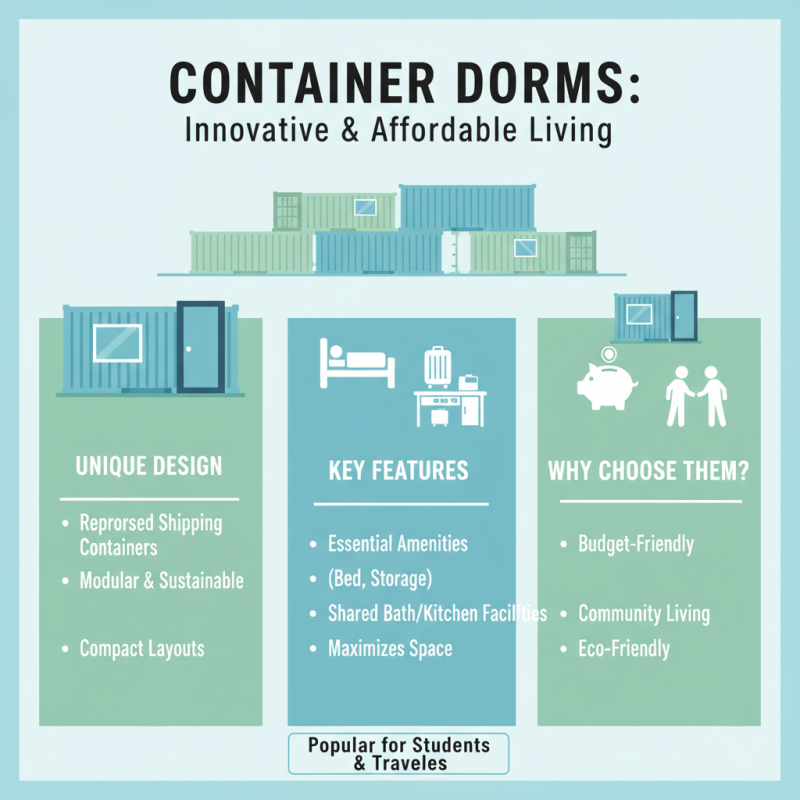
Container dorms have rapidly gained popularity among students and travelers due to their unique design and affordability. These innovative accommodations are created from repurposed shipping containers, offering a sustainable and modular living space. Key features include compact layouts equipped with essential amenities, such as beds, storage, and shared facilities like bathrooms and kitchens. This clever use of space maximizes functionality while promoting community living, making it an attractive option for those seeking budget-friendly lodging.

One of the main advantages of container dorms is their flexibility. They can be easily transported and set up in various locations, from urban centers to nature retreats, allowing students and travelers to experience different environments. Additionally, many container dorms incorporate eco-friendly practices, such as solar panels and rainwater harvesting systems, appealing to environmentally conscious individuals.

**Tips:** When choosing a container dorm, consider the location and proximity to amenities like public transport, grocery stores, and recreational areas. Reading reviews can provide insight into the dorm's atmosphere and community. Lastly, pack light and prioritize essentials, as space can be limited in these compact accommodations, ensuring a comfortable stay.

How Container Dorms are Constructed and Designed

Container dorms have emerged as an innovative solution to the growing demand for affordable and sustainable housing for students and travelers. These dormitories are constructed from repurposed shipping containers, which provide a cost-effective alternative to traditional building methods. According to a report by the International Organization for Migration, upcycled structures can reduce construction costs by up to 30% while significantly lowering environmental impact. The modular nature of containers allows for quick assembly, often culminating in less than half the time required for conventional dorm construction.

The design of container dorms focuses on maximizing space utilization and ensuring comfort. Each unit is typically equipped with essential amenities, such as beds, storage, and shared bathroom facilities, creating a community feel while providing privacy. Co-living spaces within a container dorm may also incorporate communal areas, such as kitchens and lounges, fostering social interaction among residents. Research from the Urban Institute indicates that well-designed co-living arrangements can enhance the overall student experience by promoting collaboration and a sense of belonging. Features such as energy-efficient systems and smart technologies further contribute to the sustainability of these facilities, appealing to eco-conscious students and travelers alike.

Container Dorms: Construction and Design Overview

Container dorms offer an innovative solution for student housing and travel accommodations. This chart showcases key metrics related to container dorms, such as cost per unit, average size, construction time, and capacity. Understanding these elements highlights the practicality and efficiency of container dorms in various settings.

Benefits of Staying in Container Dorms

Container dorms are an innovative accommodation option that is gaining popularity among students and travelers alike. These modular living spaces, often constructed from repurposed shipping containers, offer a unique blend of affordability and sustainability. One of the key benefits of staying in container dorms is their economic efficiency. Reports indicate that container dorms can reduce the cost of lodging by up to 30% compared to traditional hostels or student housing, making them an attractive option for budget-conscious individuals.

In addition to financial savings, container dorms provide an environmentally friendly alternative to conventional housing. Data from the International Organization for Standardization reveals that reusing shipping containers helps reduce urban waste, contributing to more sustainable urban development. The adaptable nature of these structures also allows them to be placed in various locations, from urban centers to scenic landscapes, enhancing the experience for residents.

Tips:
When considering a stay in a container dorm, it’s essential to check the amenities offered. Many container dorms come equipped with modern facilities like Wi-Fi, communal kitchens, and recreational areas that foster a sense of community. Always read reviews from previous guests to gauge the living conditions and the overall atmosphere of the dorm.

Challenges and Considerations for Container Dorm Living

Living in container dorms presents unique challenges and considerations that both students and travelers must navigate. One notable challenge is the limited space. Container dorms, though designed creatively, often feature compact living arrangements that may require residents to be exceptionally organized and minimalistic. This can be a significant adjustment for individuals accustomed to more traditional living setups where personal space is more abundant. Additionally, the infrastructure of these dorms may lack some modern conveniences or privacy that are standard in conventional housing, impacting comfort levels.

Another important consideration involves the communal living aspect that container dorms typically promote. While this can foster a sense of community and provide networking opportunities, it may also lead to potential conflicts among residents. Sharing facilities such as kitchens and bathrooms means that etiquette and cleanliness become imperative factors in ensuring a harmonious living environment. Furthermore, the noise level can be more prevalent in such close quarters, which may affect the ability to study or relax. Adaptability and strong communication skills are essential for individuals opting for this type of living arrangement, as they must navigate both the logistical and social dynamics inherent in container dorm life.

What are Container Dorms and How Do They Work for Students and Travelers - Challenges and Considerations for Container Dorm Living

Aspect Description
Definition Container dorms are living spaces made from repurposed shipping containers, designed for students and travelers.
Affordability They often provide a more affordable housing option compared to traditional dorms or hostels.
Sustainability Using shipping containers promotes recycling and reduces environmental impact in housing.
Design Flexibility Container dorms can be customized in terms of layout and amenities to suit different needs.
Living Conditions May vary greatly; some may have modern facilities, while others are more basic and minimalist.
Community Fosters a sense of community as residents are often living in close quarters.
Challenges Potential issues include space limitations, insulation challenges, and lack of privacy.
Considerations Prospective residents should consider location, amenities, and personal comfort levels in cramped quarters.

Contact Us