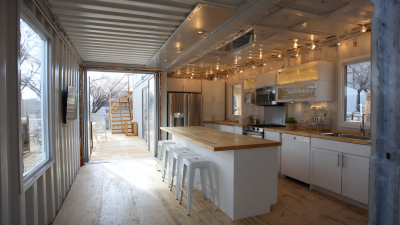
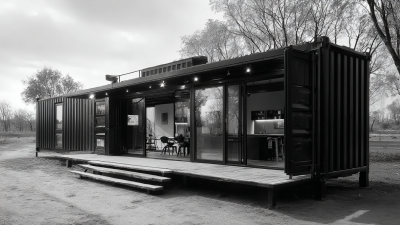
Choosing the ideal container residence can be challenging. These innovative homes offer flexibility and sustainability. However, many factors influence your decision.
Container residences come in various sizes and shapes. You must consider your needs. Think about space requirements, insulation, and design preferences. Some may prioritize aesthetics, while others focus on functionality.
Moreover, the location matters. Urban settings may have different challenges compared to rural areas. It’s essential to assess local regulations and climate conditions. A thoughtful approach is vital. After all, this is a significant investment in your future living space.
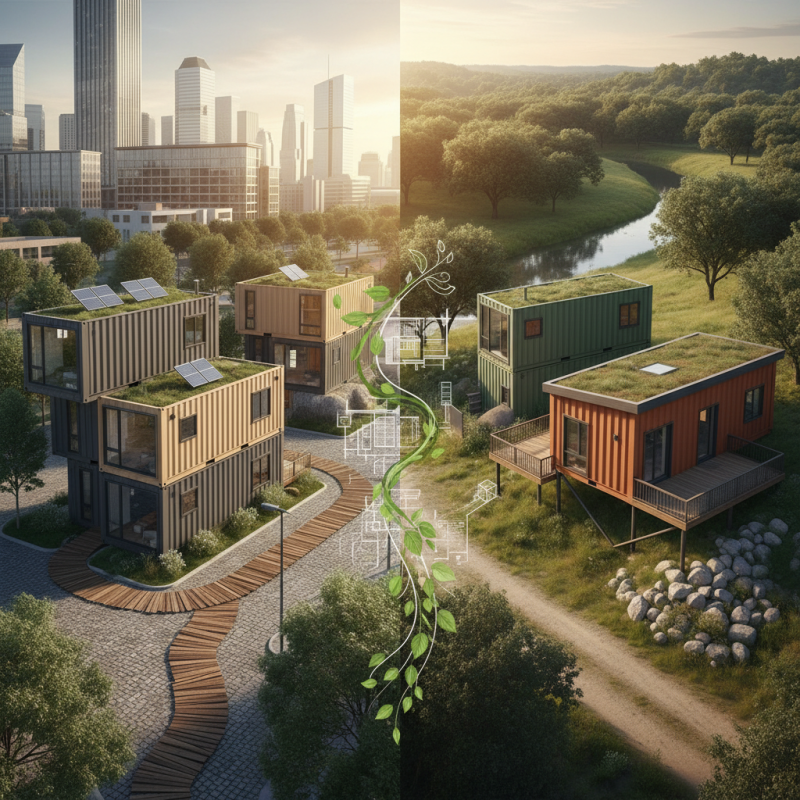
Choosing the right container residence starts with understanding your own living requirements. Different people have different needs. A recent industry report indicates that 70% of container home users cite space as their top priority. Do you need a large open area, or are you looking for cozy, compact spaces?
Consider your lifestyle. Are you planning to live alone or with family? Accessibility is another crucial factor. Many users overlook this aspect. About 30% of container homes lack proper entrances. It's vital to think about the flow of your space and how you will use it daily. Also, think about insulation and climate. A report from a housing study reveals that about 40% of container homes have inadequate insulation, leading to discomfort in extreme temperatures.
Lastly, think about sustainability. Many container homes now integrate green technologies. This can reduce energy costs but may require upfront investment. Evaluate what aligns with your values. Reflect on how your choices affect your living experience. Consider what you need, rather than just what looks good or is trendy.
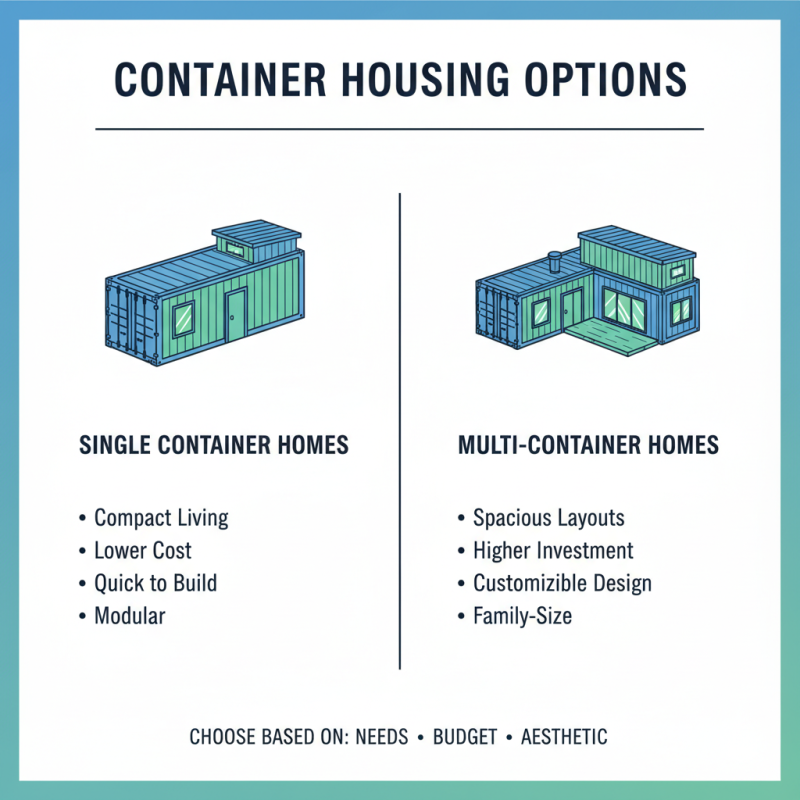
When considering container housing, evaluating your options is crucial. There are various types of container residences available. Some are made from one standard shipping container. Others combine multiple containers for larger spaces. The choice depends on your needs, budget, and aesthetic preference.
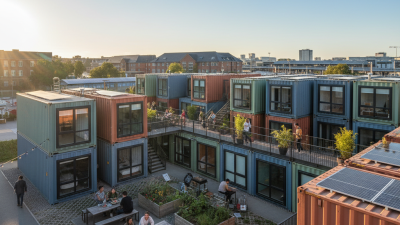
Think about the layout. A simple single-container home may suit minimalists or those looking for a quick setup. However, families might need more space. Combining containers can create functional living areas. But this could also mean higher costs and longer construction times.
Consider insulation and climate too. Containers can be cold in winter and hot in summer. Selecting the right insulation type is vital. You might need to think about solar panels or alternative energy sources. Reflect on your lifestyle and what features are essential for your comfort. A good space should feel inviting and meet your daily needs.
When considering the cost of container homes, budgeting is crucial. A container home can range from $10,000 to $120,000, depending on size and design choices. You need to factor in additional costs like land, utilities, and customizations. According to a 2022 industry report, more than 70% of new homeowners underestimate these extra expenses.
Financing options can also be limiting. Many banks remain cautious about lending for unconventional homes. This can lead to higher interest rates or larger down payments. Research indicates that over 50% of potential buyers struggle with financing. It’s important to be prepared for this challenge.
Another consideration is the long-term value of a container home. Resale opportunities might be lower than traditional houses. A survey revealed that 65% of container homeowners noted difficulty in selling their homes. This fluctuating market is vital to consider. Think about neighborhood trends and future appreciation. Overall, financial planning should be comprehensive and meticulous when exploring container living.
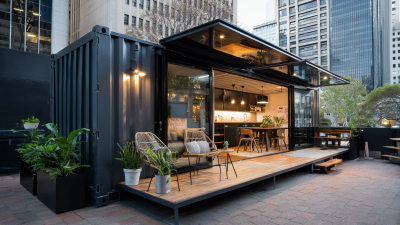
Choosing the right location for your container home is crucial. A serene rural setting can provide peace and quiet. However, this often means limited access to utilities and services. On the other hand, an urban area might offer convenience but come with noise and air pollution. Assess your needs carefully before making a decision.
Consider environmental factors as well. Climate plays a significant role in how you design your container home. Coastal areas may face issues like salt corrosion. A rainy region might require additional insulation and drainage solutions. Soil stability is another aspect to think about; it affects the foundation of your home.
It’s also essential to think about local regulations. Some areas have strict zoning laws affecting container homes. Research these factors in your chosen location. Remember, what seems perfect on paper may not translate well in reality. Always question your choices and be ready to adapt your plans if necessary.
This chart illustrates the importance of various environmental factors when selecting a container home. The factors include Weather Conditions, Accessibility, Proximity to Amenities, and Environmental Impact.
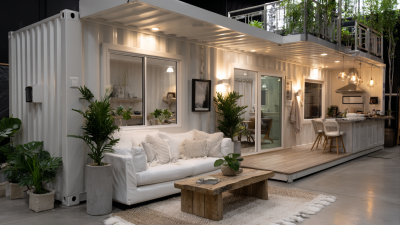
When considering a container residence, customization plays a critical role. Each container can be transformed to fit your lifestyle perfectly. You might choose large windows for natural light or opt for a rooftop terrace. These choices greatly affect the overall feel of the space. Color schemes and materials also contribute significantly to your living experience. Imagine warm wood interiors combined with sleek metal exteriors.
However, the design process can be daunting. It's easy to get lost in the multitude of options available. You may find yourself overwhelmed by decisions like layout and storage solutions. Balancing aesthetics and practicality is essential but can lead to frustration. Some homeowners may initially focus too heavily on trendy features, only to realize they overlook functional needs. Reflecting on what matters most to your lifestyle can help in making better choices.
Additionally, creating a unique container home often demands creativity. You may want a dedicated workspace, an outdoor area, or a cozy nook. These elements can make the space more practical and enjoyable. But remember, the process is a journey. Embracing the imperfections and challenges along the way can lead to a more fulfilling outcome.
| Feature | Importance Level | Customization Options | Design Styles |
|---|---|---|---|
| Size | High | Additions (e.g., rooms, decks) | Modern, Traditional |
| Insulation | High | Eco-friendly materials | Contemporary, Rustic |
| Layout | Medium | Open floor plan options | Open, Compartmentalized |
| Sustainability | High | Solar panels, rainwater systems | Minimalist, Industrial |
| Transportability | Medium | Modular designs | Mobile, Flexible |