
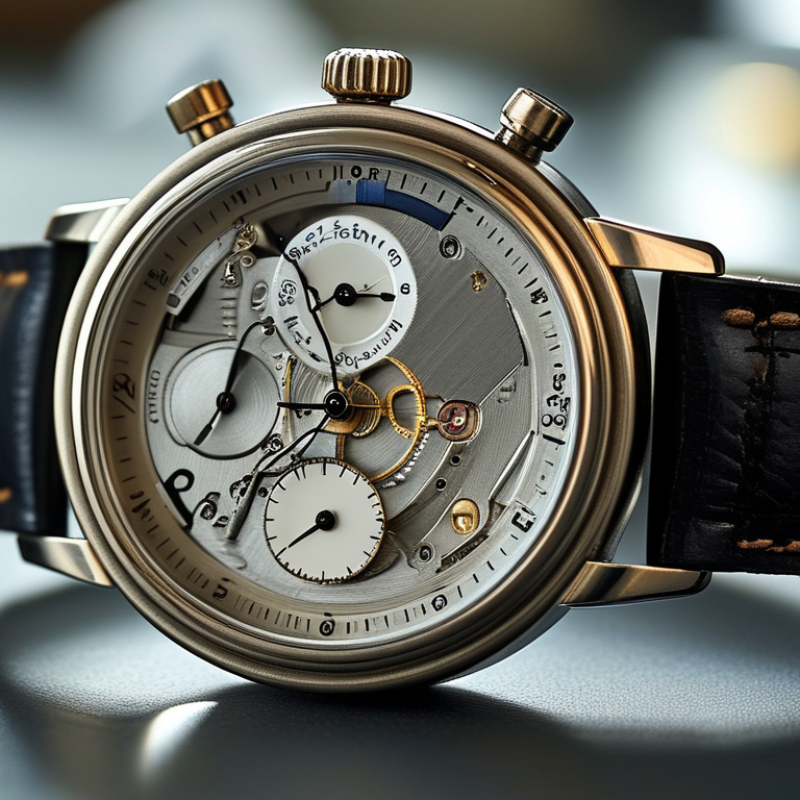
How to Choose Quartz Watches in 2026?
How to Compare Accuracy, Materials, and Key Features
When comparing quartz watches in 2026, start with accuracy, not decoration. A reliable movement may drift only a few seconds each month. Check the stated tolerance. Then ask how that figure was tested, because laboratory results can differ from daily wear. Temperature changes, battery age, shocks, and magnetic fields can affect performance. My practical test is simple: compare the watch with a trusted time source for seven days. Record the difference.
Materials shape comfort, durability, and maintenance. Sapphire crystal usually resists scratches better than mineral glass, but it can still chip after a hard impact. Stainless steel cases feel solid and handle daily use well. Titanium feels lighter, though its surface may show marks more easily. For regular swimming, confirm the water-resistance rating and inspect the crown and seals. Ratings are not permanent guarantees. Gaskets age.
Useful features should solve real problems. A clear date window helps at work, while strong lume supports quick reading at night. Solar charging can reduce battery changes, but it still needs regular exposure to light. Extra displays may look impressive and reduce legibility. I once overvalued complicated functions that I rarely used. That choice felt clever, but it added visual clutter. Check service access, battery type, and replacement costs before buying. If specifications are vague, treat that as a warning. Accuracy claims still need careful comparison.