How to Choose the Best Container Living Solutions for You?

As the interest in container living grows, potential homeowners face unique challenges and choices. Research shows that the global container housing market is expected to reach $73.3 billion by 2027. This rapid expansion signals a shift in how we view housing solutions. "Container living is not just a trend; it’s a sustainable lifestyle choice," notes Paul Becker, a leading expert in sustainable architecture.

When selecting the best container living solution, factors such as location, size, and design play crucial roles. Many people struggle with misconceptions about container homes. Some think they lack comfort or style. However, these homes can be customized to meet diverse needs and preferences.

Quality and safety are paramount. Not all containers are created equal. Some may require extensive modifications to meet building codes. This can lead to misleading cost evaluations. Always research thoroughly and consult professionals in the field. Understanding your needs and the practicalities of container living can ultimately lead to a satisfying investment.
How to Choose the Best Container Living Solutions for You?

Understanding Container Living and Its Benefits

Container living has gained traction for its unique blend of sustainability and affordability. Reports indicate that the container home market is projected to grow by over 6% annually through 2027. This rise reflects a shift towards eco-friendly housing solutions. Many see containers as a creative alternative to traditional homes. They can be repurposed and customized to fit various lifestyles.

One significant advantage of container living is the reduction in waste. Using shipping containers as homes can decrease the environmental footprint. Each repurposed container helps divert steel from landfills. Additionally, container homes often require fewer resources to build compared to conventional houses. They can be completed in a shorter time frame, addressing housing shortages rapidly.

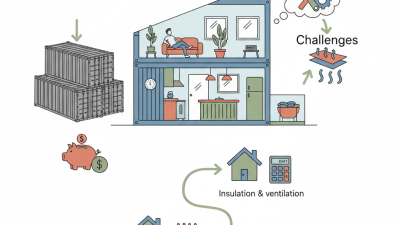
However, potential buyers should consider some challenges. Insulation, climate control, and permits can complicate the process. Buyers might face zoning restrictions when placing a container home. It’s essential to research local regulations and assess the land's suitability. Understanding these factors can lead to a more informed decision.
Assessing Your Space and Budget for Container Living

When considering container living solutions, assessing your space and budget is crucial. Research shows that the average cost of a shipping container home ranges from $10,000 to $50,000. This variance can be attributed to factors like location, insulation, and design. Understanding local building codes can save you unforeseen costs. Not every area permits container homes, so checking regulations is essential.

Space assessment involves evaluating both your land and needs. A typical container is about 20 to 40 feet long. This size can impact your living space significantly. For example, a single 20-foot container provides about 160 square feet of living space. While this is cozy for one or two people, families might find it cramped. It's wise to visualize your layout. Sketching your desired design can clarify how many containers you need.

Budgeting for container living should also account for additional expenses. Utilities, permits, and site preparation can add up. Many find that unexpected costs emerge during construction. It’s vital to have a buffer in your budget. Experts recommend setting aside an additional 20% of the projected cost for surprises. Assessing both space and budget early on helps you make informed choices.

How to Choose the Best Container Living Solutions for You? - Assessing Your Space and Budget for Container Living

Container Type Size (sq ft) Average Cost Suitability Features
Standard Shipping Container 160 $2,000 Basic Living Durable, Stackable
Modified Container Home 320 $40,000 Residential Insulated, Plumbed
Luxury Container Home 640 $100,000 High-End Living Customizable, Modern Finishes
Office Container 160 $3,500 Work Space Furnished, Wired
Portable Container Classroom 320 $15,000 Educational Use Spacious, Air-Conditioned

Types of Container Homes and Their Features

How to Choose the Best Container Living Solutions for You?

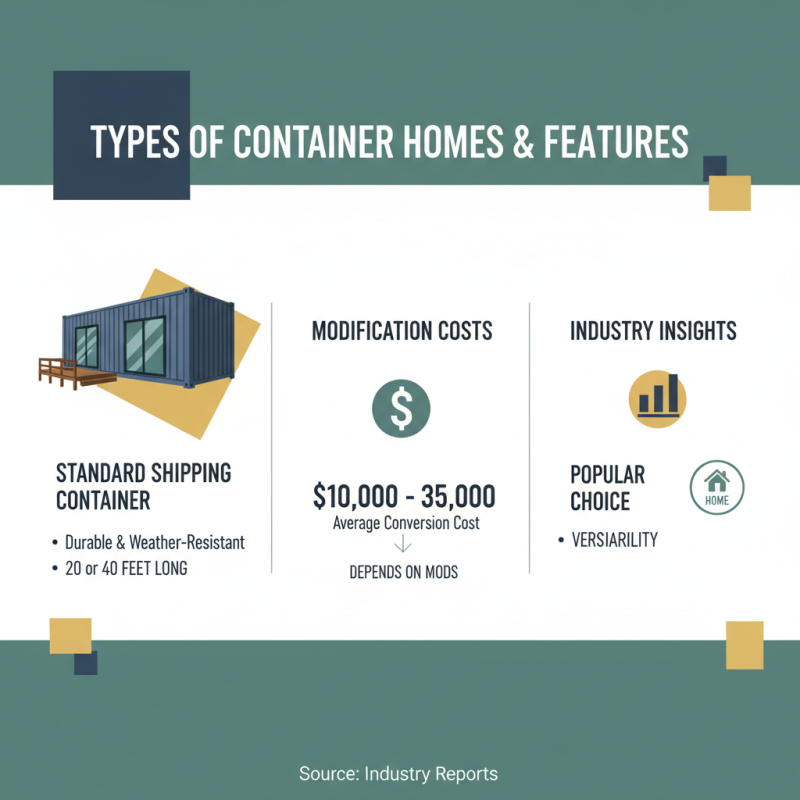
When exploring container homes, understanding different types and their features is essential. One popular choice is the standard shipping container. These containers are durable and weather-resistant. They typically measure 20 or 40 feet in length. According to industry reports, the average cost to convert a shipping container into a home is between $10,000 to $35,000, depending on modifications.

Another option is the modified container home. These homes are customized for specific needs. They often include windows, insulation, and plumbing. These modifications can significantly increase the cost. Research indicates that well-designed modified containers can appreciate in value. However, it's crucial to ensure proper insulation to avoid temperature fluctuations.

**Tips:** Consider your local climate when choosing features. Proper ventilation is key to preventing mold. Experts recommend evaluating various containers before purchasing. Size and layout must fit your lifestyle. Remember, while a container home can be budget-friendly, overlooking essential modifications can lead to costly repairs. Prioritize quality over quantity in your choices.

Factors to Consider When Choosing a Container Living Solution

Choosing the right container living solution requires thoughtful consideration. Start by assessing your needs. Consider how many people will live in the space. This affects the size of the container. A family may need multiple units, while a single person might be fine with one. Think about your lifestyle. Do you work from home? A designated workspace could be essential.

Location plays a crucial role. Check the land where you'll place the container. Ensure it is suitable for your needs. Accessibility to utilities is important. Water and electricity should be easily available. Some areas have strict zoning laws. This could limit what you can do with a container home. Be informed before you buy.

Budget is another significant factor. Costs can add up quickly with modifications and transportation. Plan for insulation and plumbing systems. These are vital for comfort. Reflect on whether you need more space in the future. Your situation may change, and flexibility is key. Carefully weigh these factors.

Factors to Consider When Choosing Container Living Solutions

Finding Reliable Builders and Suppliers for Container Homes

When considering container living solutions, finding reliable builders and suppliers is crucial. Research local architects and contractors who specialize in container homes. Visit completed projects if possible. This allows you to assess the quality of their work.

Tips: Ask builders about their experience with container construction. Look for testimonials from their clients. Contacting previous customers can provide insights into the builder’s reliability.

It’s essential to check if the builders follow local regulations. Some areas have rules specific to container homes. Ignoring these could lead to costly modifications later. Ensure your chosen supplier uses high-quality materials that meet industry standards.

Tips: Request a detailed quote before starting. This will help avoid hidden costs. Also, don’t hesitate to negotiate terms to ensure clarity and fairness in your agreement. Holistic planning with your builder will save time and resources.

Contact Us