
10 Best Bun Feet Sofa Legs for Sofas and Cabinets

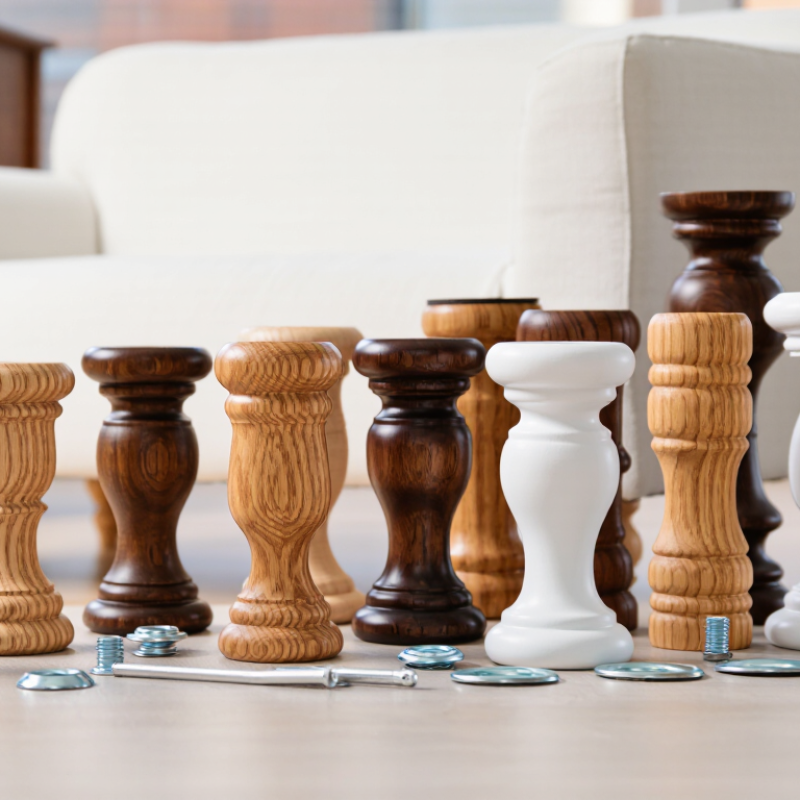
Bun Feet Sofa Legs can change how a sofa or cabinet feels without replacing the entire piece. Their rounded shape softens boxy furniture, while added height can make a low frame easier to clean beneath. Yet appearance is only part of the decision. A beautiful leg can still wobble, sit unevenly, or fail to fit the mounting hardware.

Grand View Research estimated the global furniture market at USD 736.6 billion in 2023 and projected continued growth through 2030. That figure covers furniture broadly, not bun feet specifically. Still, it offers useful context: buyers face a wide range of styles, materials, and price points. Small components deserve careful comparison, too.

This guide to the 10 best Bun Feet Sofa Legs considers wood and finish, dimensions, attachment method, stated load capacity, and suitability for sofas or cabinets. Check the furniture frame before ordering; a threaded insert and a flat mounting plate are not interchangeable. Measure twice. Product photos can make scale difficult to judge, and a polished finish cannot reveal a weak joint. That limitation is worth remembering. The right choice depends on the furniture’s weight, floor surface, and intended use—not just its shape. Where manufacturer specifications are unclear, treat performance claims cautiously and confirm compatibility before installation.
10 Best Bun Feet Sofa Legs for Sofas and Cabinets

Define Bun Feet by Industry Specs: Height, Base Diameter, and Load Rating

Bun feet can soften the look of a sofa or cabinet, but their proportions affect stability as much as style. Measure height from the floor to the mounting surface, not just the visible wooden section. A difference of half an inch can change seat height or leave a cabinet rocking on uneven flooring. Small details matter.

Base diameter means the widest part of the foot that meets or supports the furniture. Compare it with the leg frame and mounting plate; a broad foot may spread pressure better, but it cannot fix a weak joint. For load rating, check whether the figure applies to one foot or a complete set. Also ask whether it describes static weight or includes movement. Sofas shift when people sit down, so a static rating alone may not tell the whole story.

There is no single industry dimension that suits every sofa and cabinet. Use the maker’s stated limits where available, then account for the furniture’s weight and expected use. Measure twice. Even careful measurements can be off when old frames are uneven, so leave room to verify the fit before installation. A slightly imperfect match can still look tidy, but a loose attachment deserves another look.

Compare 10 Bun-Foot Styles by Material, Dimensions, Finish, and Published Capacity

A useful comparison of ten bun-foot styles should show more than appearance. Record material, height, top-plate width, finish, and published load capacity for each option. A short, wide hardwood foot may suit a low cabinet, while a taller tapered design can change a sofa’s seat height and stability. Check mounting hardware, too. A polished finish can look smooth in a photo but reveal scratches quickly in a busy room.

Wood strength varies by species and moisture content, so “hardwood” alone does not establish a safe capacity. The USDA Forest Products Laboratory’s Wood Handbook (FPL-GTR-282, 2021) documents these material differences. Compare capacity figures only when the seller states whether the rating applies per foot or to a complete set. ANSI/BIFMA X5.4-2020 covers testing for public seating; it should not be treated as proof that a replacement leg has passed sofa-specific testing. Small distinction. Important one.

Tips: Measure the existing leg’s height and attachment point before ordering. Put the sofa on a level floor, then confirm all feet sit firmly. If capacity data or test conditions are missing, mark them as undisclosed rather than guessing. A neat table helps: ten rows, consistent units, and finish names that describe the actual surface. For example, “clear-coated oak” is more informative than “natural.”

Match Thread Sizes and Mounting Plates to Sofa and Cabinet Frame Specifications

10 Best Bun Feet Sofa Legs for Sofas and Cabinets

Choosing bun feet is not only a style decision; the connection must suit the frame. Before ordering, remove one existing leg and measure its threaded stud, including diameter and pitch. A ruler helps, but a thread gauge gives a more dependable match. Small differences matter.

Many sofas use a threaded insert, while cabinets may have a flat mounting plate or a wood-screw connection. Check the furniture maker’s specifications when available, then compare the plate’s width, hole spacing, and screw positions with the frame. Do not assume a larger plate is stronger; it can overhang a narrow rail or sit across a joint. Measure twice.

Also confirm the replacement bolt’s usable length. A bolt that is too short may barely engage; one that is too long can press into upholstery, foam, or a cabinet panel. Test-fit the leg by hand before tightening, and stop if it rocks or binds. Insert depth is easy to overlook, even after careful measuring. A little extra checking beats a wobbly corner.

Assess Wood Strength Using ASTM D143 Data and Manufacturer Load Ratings

When comparing bun feet for sofas or cabinets, treat wood strength and load rating as separate evidence. ASTM D143 describes tests on small, clear timber specimens, including bending and compression; it does not certify a finished furniture leg. The USDA Forest Products Laboratory’s 2021 Wood Handbook reports average bending strength, or modulus of rupture, of roughly 15,800 psi for hard maple and 14,300 psi for northern red oak. These figures describe clear wood under test conditions, not a shaped foot with knots, grain runout, or screw holes.

That difference matters. A turned foot may look solid, yet a short grain split near its mounting plate can weaken the connection. Check whether the maker gives a load rating per leg or for a complete set, and whether the rating assumes level floors and proper installation. Ask how the rating was established; a useful specification identifies test conditions and the number of supports. For a sofa, account for occupants shifting their weight, not just the empty frame. For a cabinet, consider concentrated loads from dishes or books. Leave margin. Real rooms are uneven, and ratings rarely describe every use.

10 Best Bun Feet Sofa Legs for Sofas and Cabinets — Assess Wood Strength Using ASTM D143 Data and Manufacturer Load Ratings Wood-species comparison for selecting bun feet; strength figures are approximate clear-wood reference values, not finished-leg load ratings.
Rank by Reference MOR Wood Species Approx. Modulus of Rupture (MOR) Potential Use Key Selection Consideration Manufacturer Load Rating
1 Shagbark hickory About 20,000 psi Heavy sofas and cabinets, when properly designed and fastened High reference bending strength; check grain direction, defects, and attachment hardware. Not specified by wood species; obtain the finished leg’s published rating.
2 Yellow birch About 16,600 psi Sofa and cabinet feet requiring a strong hardwood option Use a clear, sound piece and confirm the leg’s dimensions and mounting method. Not specified by wood species; obtain the finished leg’s published rating.
3 Hard maple About 15,800 psi Frequently suitable for furniture legs and other load-bearing parts Strength of an individual leg depends on its shape, grain, joinery, and moisture condition. Not specified by wood species; obtain the finished leg’s published rating.
4 White oak About 15,200 psi Cabinets and sofas where a durable hardwood leg is desired Inspect for checks and knots, especially near the narrowest section and fasteners. Not specified by wood species; obtain the finished leg’s published rating.
5 American ash About 15,000 psi Furniture legs where strength and shock resistance are considerations Do not treat a species-level value as a safe working load for a finished leg. Not specified by wood species; obtain the finished leg’s published rating.
6 American beech About 14,900 psi Indoor sofas and cabinets with suitable design and dry service conditions Account for service environment; moisture changes can affect wood performance. Not specified by wood species; obtain the finished leg’s published rating.
7 Black walnut About 14,600 psi Decorative furniture legs where appearance is also important Choose a leg with adequate cross-section and a secure, compatible mounting plate. Not specified by wood species; obtain the finished leg’s published rating.
8 Red oak About 14,300 psi Common furniture applications, subject to product-specific testing Species identification, grain quality, and manufacturing details affect actual performance. Not specified by wood species; obtain the finished leg’s published rating.
9 Black cherry About 12,300 psi Light-to-medium furniture applications when the finished design is appropriately sized Verify the capacity of the complete leg-and-fastener assembly for the intended use. Not specified by wood species; obtain the finished leg’s published rating.
10 Douglas-fir About 12,400 psi Furniture applications using appropriately selected and manufactured stock Compare actual product specifications; softwood grade and defects matter. Not specified by wood species; obtain the finished leg’s published rating.

How to interpret the data: ASTM D143 describes testing methods for small, clear wood specimens. The approximate MOR figures above are species-level reference values and can vary with grade, moisture content, and source; they are not product test results or allowable loads. MOR cannot be converted directly into a safe load for a bun foot. For a sofa or cabinet, use the manufacturer’s stated rating for the finished leg and mounting hardware, and verify that the rating applies to the intended number of legs and installation.

Use ANSI/BIFMA X5.4 Seating Tests as a Durability Reference for Sofa Feet

A bun foot may look decorative, but its shape affects how a sofa carries weight. ANSI/BIFMA X5.4-2020 offers a useful durability reference. Its seat durability procedure includes 100,000 repeated loading cycles. That figure applies to the seating test, not a standalone certification for replacement feet. A leg’s material, attachment screws, and mounting plate all influence performance. A wide, flat mounting surface can help distribute force; a loose screw can still create wobble.

When comparing bun feet for sofas or cabinets, check the stated load capacity and installation method. Test the assembled piece on a level floor, then inspect for shifting, cracked wood, or loosened hardware. This is a practical check, not a substitute for laboratory testing. ANSI/BIFMA results describe a defined test setup, so a small change in frame or fasteners may change real-world performance. I’d treat the standard as a reference, not a guarantee.

Tips: Tighten fasteners after installation, and recheck them after the sofa has been used for a few weeks. Keep all feet at equal height. Even a sturdy-looking leg can rock if the floor is uneven.

Contact Us