How to Build Shipping Container Buildings: Step-by-Step Guide for Beginners

In recent years, shipping container buildings have emerged as a highly innovative and sustainable solution in the construction industry. According to a report by Research and Markets, the global construction market for modular buildings, including those made from shipping containers, is projected to reach $157 billion by 2025, indicating a significant shift towards more eco-friendly and efficient building methods. The versatility of shipping containers allows for a myriad of designs, from residential homes to commercial spaces, showcasing their potential as feasible and cost-effective construction materials.

As urbanization continues to increase, the demand for affordable housing options and sustainable building practices has never been more pressing. A study by the World Economic Forum highlights that constructing with shipping containers can significantly reduce the carbon footprint associated with traditional building methods, as they repurpose materials that would otherwise go to waste. By converting these metal boxes into livable and functional spaces, builders can not only tackle housing shortages but also promote a greener approach to architecture. In this guide, we will explore the essential steps and considerations in building with shipping containers, equipping beginners with the knowledge to navigate this evolving field and capitalize on the advantages of shipping container buildings.

How to Build Shipping Container Buildings: Step-by-Step Guide for Beginners

Understanding Shipping Container Buildings: An Overview

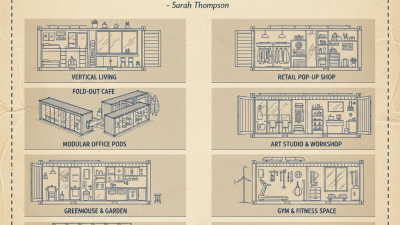
Shipping container buildings have gained popularity in recent years as a sustainable and innovative solution for various architectural needs. These structures utilize repurposed shipping containers, which offer a robust framework that can withstand harsh environmental conditions. Due to their modular nature, shipping containers can be stacked or combined in numerous configurations, providing flexibility in design. This versatility makes them suitable for a range of applications, from homes and offices to pop-up shops and community spaces.

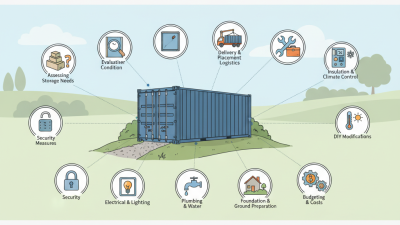
Understanding the basics of shipping container buildings is essential for anyone considering this modern construction method. The process typically begins with selecting the appropriate containers based on size, condition, and intended use. Once the design is finalized, structural modifications may be necessary, including cutting windows and doors, reinforcing the framework, and insulating the interior. Proper planning for utilities such as plumbing and electrical systems is also crucial to ensure a functional and comfortable living or working environment. With mindful design and execution, shipping container buildings can be highly efficient, eco-friendly, and aesthetically pleasing, making them an attractive option for many builders and homeowners.
Essential Tools and Materials for Building with Shipping Containers

How to Build Shipping Container Buildings: Step-by-Step Guide for Beginners

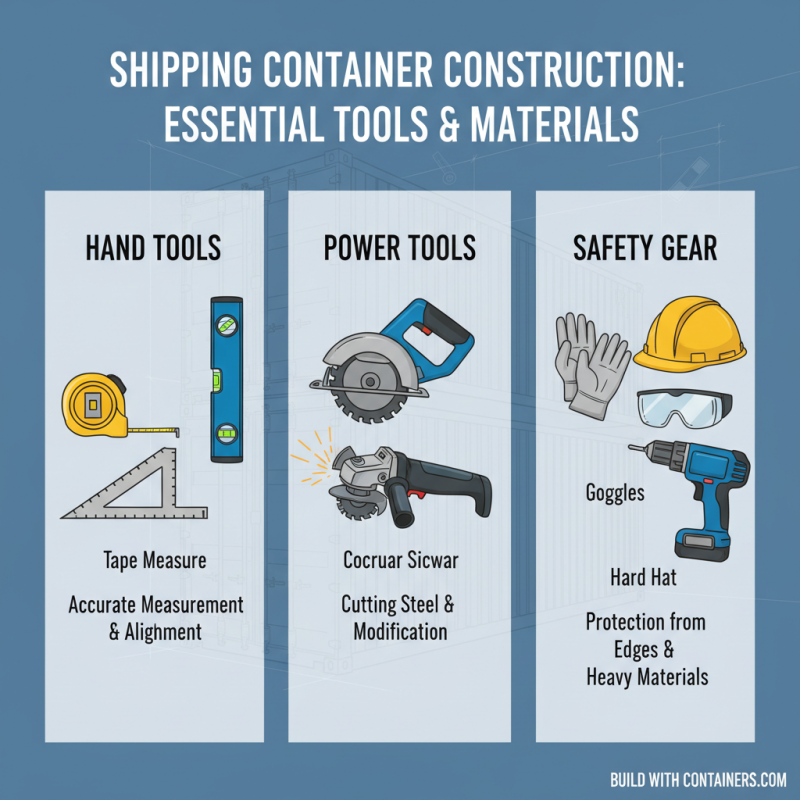
When embarking on a project to build with shipping containers, having the right tools and materials is crucial for a successful outcome. First, you'll need some essential hand tools, including a tape measure, level, and square, which will help ensure your measurements and alignments are accurate. Power tools such as a circular saw, angle grinder, and drill are also vital for cutting through steel and modifying the containers as needed. Don’t forget safety equipment like gloves, goggles, and a hard hat, as working with containers can involve sharp edges and heavy materials.

In addition to tools, the right materials will set the foundation for your building project. Steel reinforcement bars can provide added structural integrity, especially if you're stacking containers or modifying their structure considerably. Insulation materials are important for regulating temperature inside the container, while weatherproofing solutions like sealants and paints help protect your investment from the elements. If you plan on adding windows, doors, or electrical installations, don't forget additional materials such as framing lumber, wiring, and fixtures. Having these tools and materials prepared will streamline your construction process and contribute to a robust and durable shipping container building.

Step-by-Step Guide to Planning Your Container Building Layout

Planning the layout of a shipping container building is a crucial step that lays the foundation for an efficient and functional living or working space. Begin by determining the purpose of the building, whether it will serve as a home, office, or retail space, as this will guide your layout decisions. Consider the available space and the number of containers you will use, as well as their dimensions. Sketch out a basic floor plan that includes essential areas such as living spaces, storage, and utilities, ensuring an intuitive flow between these areas.

Next, prioritize natural light and ventilation when designing your layout. Position windows and doors thoughtfully to maximize light and reduce energy costs. Think about indoor-outdoor connections, especially if you plan to incorporate outdoor areas such as decks or gardens. Also, pay attention to accessibility within the container, ensuring that the design accommodates any special needs for movement or access to utilities. Balancing aesthetics with functionality will help create a harmonious container living experience tailored to your specific requirements.

Shipping Container Building Material Costs

This bar chart represents the estimated costs associated with building shipping container structures. The costs are broken down by various materials, including the shipping containers themselves and essential utilities. Understanding these costs is crucial for efficient planning and budgeting in your container building project.

Structural Modifications: Reinforcing and Insulating Your Container

When it comes to building with shipping containers, structural modifications are crucial for creating a safe and comfortable living or working space. Reinforcing your container can enhance its durability, especially if you plan to stack multiple containers or create larger openings, such as doors and windows. One effective method for reinforcement is to install additional steel members at strategic points where stress is concentrated. This can help distribute loads more evenly and prevent potential collapse under heavy weight or during extreme weather conditions.

Insulating your shipping container is equally important, as metal can easily conduct heat and cold, making the interior uncomfortable. There are various insulation materials available, such as spray foam, fiberglass batts, or rigid board insulation, each offering different benefits. When insulating, ensure you seal any gaps to prevent air leakage, which can lead to higher energy costs and temperature fluctuations.

**Tips:** Always check the manufacturer's specifications for any insulation products to ensure compatibility with steel containers. Additionally, consider using reflective insulation on the exterior to help manage heat absorption during summer months. Lastly, when making structural modifications, engage professionals if necessary to ensure proper safety standards are met, especially for significant reinforcements and openings.

How to Build Shipping Container Buildings: Step-by-Step Guide for Beginners - Structural Modifications: Reinforcing and Insulating Your Container

Step Description Materials Needed Estimated Cost Time Required
1 Select a Suitable Site Survey Tools $100 1 day
2 Acquire Shipping Containers Shipping Containers $3,000 - $5,000 2 days
3 Reinforce Structure Steel Beams, Bolts $500 3 days
4 Insulate the Container Insulation Material, Vapor Barrier $800 2 days
5 Install Doors and Windows Doors, Windows, Sealant $1,200 2 days
6 Finish Interior Drywall, Flooring, Paint $2,000 5 days

Finishing Touches: Interior Design and Exterior Aesthetics

How to Build Shipping Container Buildings: Step-by-Step Guide for Beginners

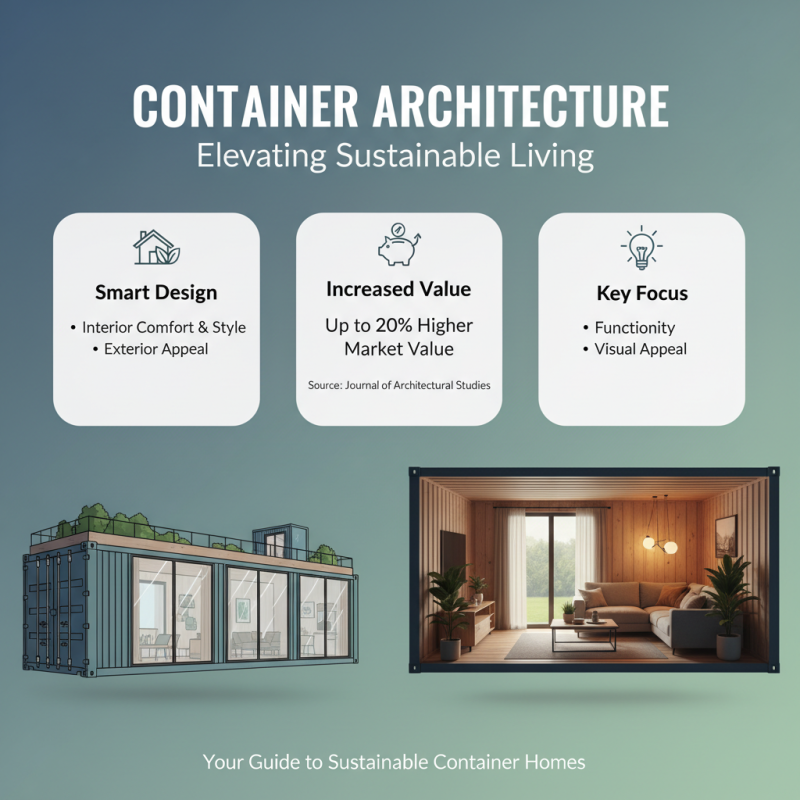
When it comes to transforming a shipping container into a livable space, the finishing touches of interior design and exterior aesthetics play a crucial role in elevating the overall experience. According to the "Container Architecture: A New Frontier in Sustainable Design" report by the Journal of Architectural Studies, the integration of thoughtful design elements can increase the market value of container homes by up to 20%. This highlights the importance of prioritizing both functionality and visual appeal in your project.

For the interior, focusing on maximizing natural light and creating open, airy spaces is essential. Utilizing light-colored paint and strategically placed mirrors can enhance the perception of space, a technique noted by the American Institute of Architects as vital for small-scale living. Moreover, incorporating sustainable materials, such as reclaimed wood or eco-friendly fixtures, not only adds character but aligns with the growing trend of eco-conscious living. According to a recent survey by the Green Building Council, 73% of consumers are more likely to invest in properties that utilize sustainable design features.

On the exterior, the use of landscaping and outdoor living areas significantly contributes to the aesthetic appeal of shipping container buildings. The National Association of Landscape Professionals reports that well-designed outdoor spaces can extend living areas and increase property value. Simple additions like green roofs or vertical gardens not only beautify the container but also enhance energy efficiency and biodiversity, making for a harmonious balance between nature and urban living. By focusing on these design aspects, shipping container buildings can become not just functional structures but beautiful homes that reflect contemporary lifestyles.

Contact Us