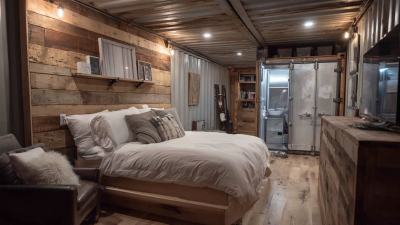
Building a shipping container dwelling on a budget can be both exciting and challenging. Renowned architect Sarah Williams, who has worked extensively in this industry, emphasizes, "A shipping container dwelling can turn dreams into reality without breaking the bank." Her insight captures the essence of this innovative housing solution.
Cost-effective options are essential for many. Repurposing used containers often reduces expenses significantly. These sturdy structures provide a blank canvas for creativity. However, challenges may arise, such as ensuring adequate insulation and ventilation. It’s not always straightforward to convert a container into a comfortable home.
While the allure of a shipping container dwelling is strong, it can lead to overspending if not managed wisely. Planning is key. Some might underestimate costs related to permits or utilities. Each project demands careful consideration and realistic budgeting to avoid pitfalls. The journey of creating a unique living space requires reflection and patience.
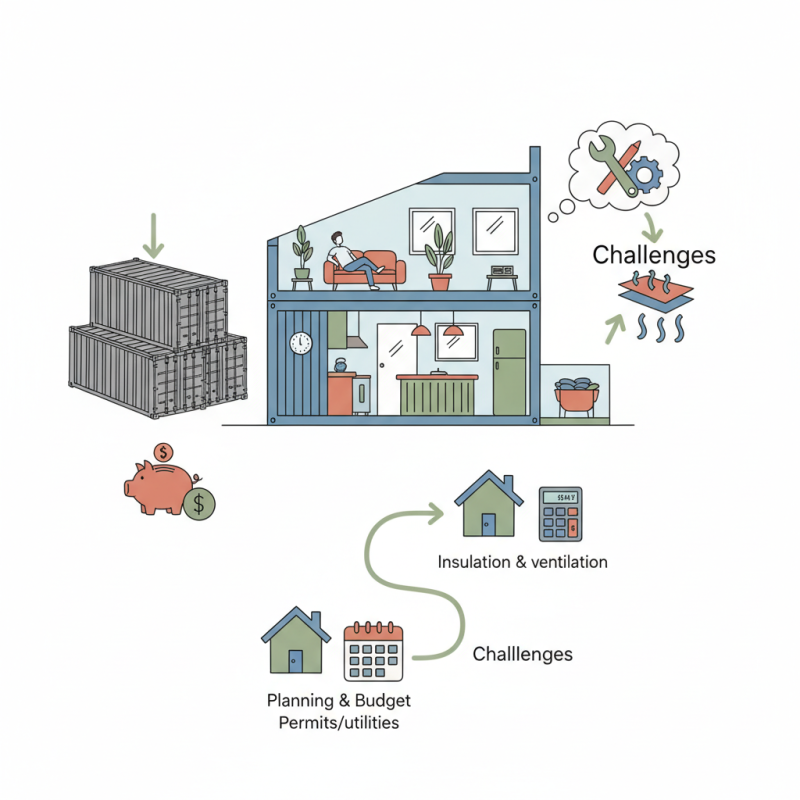
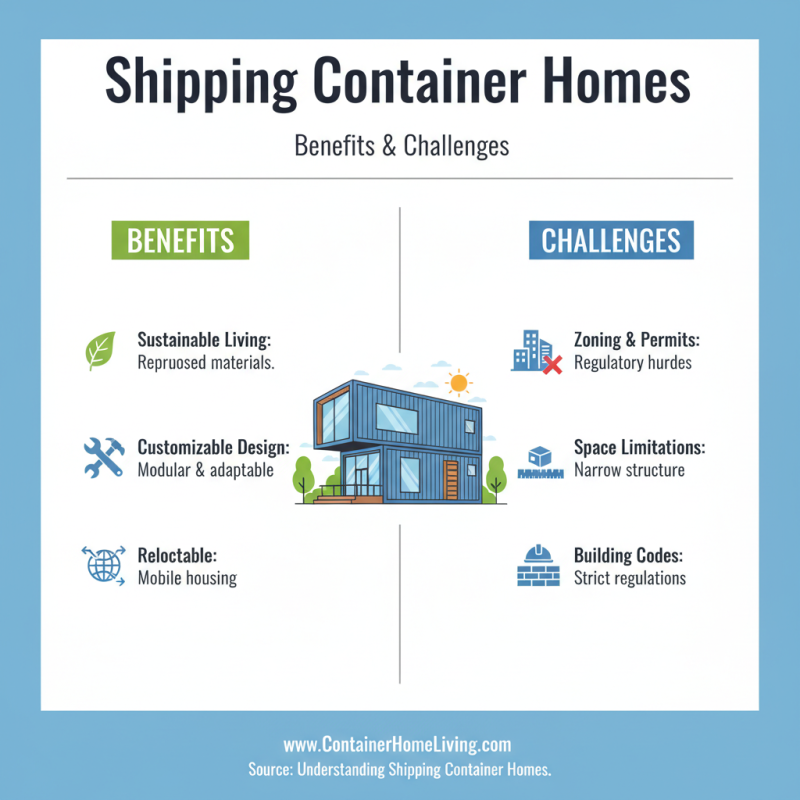
Shipping container homes are gaining popularity due to their unique design and affordability. These structures offer a sustainable living option. They can be easily customized and relocated. However, navigating this trend comes with its challenges. Container homes may face zoning issues or limit space. Some regions have strict building codes. This can complicate the construction process.
While a shipping container can be inexpensive, additional costs can arise. Insulation, plumbing, and electrical work often require careful planning. Bargain hunters might find themselves in tricky situations if they underestimate these expenses. The aesthetic appeal of industrial style is alluring, but it often requires a balanced approach. Aesthetic choices can sometimes clash with practicality.
Space optimization is crucial in container living. Each square foot must be utilized creatively. Clever storage solutions can enhance functionality. However, individuals must reflect on their lifestyle needs. Minimalism can feel constraining, especially for families. Finding a balance between design and functionality is not always easy. Building on a budget makes this even more challenging, requiring ingenuity and real-world compromises.
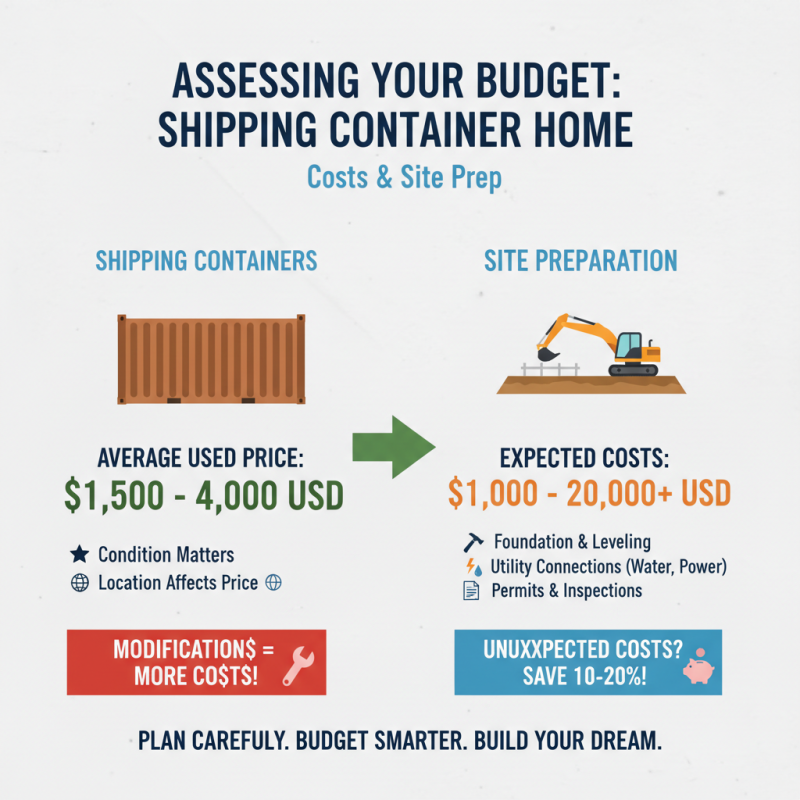
Building a shipping container dwelling can be an exciting project. However, assessing your budget is crucial. Shipping container prices vary widely. On average, a used container costs between $1,500 to $4,000. The condition and location of the container play a significant role in pricing. Be prepared for unexpected costs, especially if you want modifications.
Site preparation is another vital factor in your budget. A cleared and leveled lot can range from $1,000 to $5,000. Soil quality also matters. A good foundation is essential to avoid future issues. If the ground is unstable, additional expenses for grading or excavation may arise. It's wise to set aside 10-20% of your total budget for these unforeseen costs.
Furthermore, consider utility connections. Water, electricity, and sewage hookups also require funds. Connection fees can range from $2,000 to $10,000, depending on local regulations. Don't overlook permits, which could add extra costs. Always review local zoning laws before proceeding. This project demands careful financial planning. Staying flexible and informed is vital for a successful build.
Building a shipping container dwelling on a budget requires careful planning. Essential tools are crucial to keep costs low. A cutting torch is fundamental for modifying containers. It allows for precise cuts and adjustments. A drill is another key tool. It helps you secure structures and install plumbing or electrical systems.
You will also need basic materials. Ensure you have insulation materials ready. Proper insulation is vital for comfort. Use weather-resistant sealants for the exterior. They protect against moisture. Plywood sheets for walls are budget-friendly yet effective. These materials are easy to work with and can drastically reduce costs.
Don't forget to prioritize safety gear. Gloves and goggles protect you during construction. You may face challenges, like miscalculating measurements or dealing with rusted containers. It’s important to take your time and double-check your work. Mistakes happen, but they can lead to learning opportunities. Embrace the process and stay adaptable.
Designing a shipping container dwelling on a budget requires careful space planning and layout strategies. With limited square footage, maximizing every inch is crucial. Consider using multifunctional furniture. A couch that converts into a bed or tables with storage underneath can save space. Open shelving can also eliminate the need for bulky cabinets, keeping the area airy and efficient.
Creating designated zones with flexible partitions can enhance usability. For instance, a curtain can separate the sleeping area from the living space. This allows for privacy without the expense of walls. Natural light plays a big role, too. Large windows create an illusion of more space and make the home feel inviting. But be cautious—overdoing it can lead to high heating and cooling costs.
Finally, reflect on the layout often. It’s easy to overlook how traffic flows in a small home. Make adjustments if areas feel cramped or cluttered. You want comfort and efficiency, not chaos. Finding the right balance is a learning process. Embrace trial and error; it can lead to surprising solutions.
Building a shipping container dwelling can be a feasible and creative adventure, especially on a budget. Sourcing containers is often the first step. Look for local suppliers who offer used containers at a lower price. These containers might have scratches or rust. Inspect each one carefully to ensure they are safe for living. Sometimes, negotiation can lead to better deals. Remember, you might have to travel to find the best price.
Permitting can be tricky. Each location has different regulations for container homes. Understand the local zoning laws before making any purchases. Some places may require special permits for modifications. Research local building codes to avoid costly fines later. Often, talking to a neighbor or community planner can provide helpful insights. Each decision should be well thought out. Ensure you have a plan to comply with the regulations. Rushing this part of the process can lead to more expenses. Focus on being thorough in your research, even if it takes longer.
| Aspect | Details |
|---|---|
| Container Cost | $1,500 - $4,000 per container |
| Transportation Fees | $300 - $1,000 depending on distance |
| Site Preparation | $1,000 - $5,000 for leveling and foundation |
| Permitting Costs | $500 - $2,000 depending on local regulations |
| Utilities Installation | $1,000 - $3,000 for water, sewer, and electricity |
| Interior Finishing | $2,000 - $10,000 based on materials |
| Total Estimated Cost | Approximately $6,300 - $25,000 |