In recent years, the concept of container modular living has gained immense popularity. Architects and designers embrace this versatile approach to create stylish homes. Container modular structures offer a unique combination of functionality and aesthetics, transforming shipping containers into comfortable living spaces.
These designs cater to modern lifestyles, often focusing on sustainability and efficiency. They utilize recycled materials and minimize waste, appealing to eco-conscious homeowners. Each design serves as an invitation to rethink traditional housing concepts. However, the adaptability of container modular homes can present challenges. The limited space may require creative solutions.
Exploring the 10 best container modular designs reveals innovative uses of space. From minimalist studios to larger family homes, there's a design for every need. Each structure tells a story of ingenuity, reflecting the evolving nature of modern living. As we delve into these examples, we can learn from both the successes and shortcomings that come with this unique architectural trend.

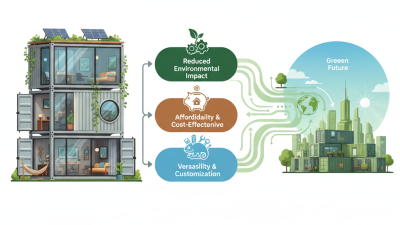
Container homes are revolutionizing modern living with their innovative designs. These structures are not just functional; they are also eco-friendly. Many are made from recycled materials, which reduces environmental impact. Imagine a home that adapts to your lifestyle. This is the essence of container modular designs. They can be customized to meet individual needs.
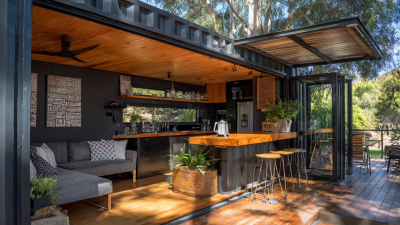
Consider the layout of a container home. Open floor plans maximize space in a compact area. Large windows invite natural light, making interiors feel airy. Outdoor spaces can be seamlessly integrated, providing a connection to nature. However, designing these homes is not without its challenges. Proper insulation is crucial for comfort in different climates.
Many people overlook the importance of planning for future needs. Flexibility in design allows for potential expansions or modifications. Understanding how you live now and in the future is essential. The beauty of container homes lies in their creativity. Each design tells a story and reflects the owner’s personality. Embracing imperfections in the design process can lead to unique and beautiful results.
Container modular design is on the rise. Using sustainable materials and innovative techniques, it's a smart choice for modern living. Shipping containers can become cozy homes or functional spaces. Recycled steel, eco-friendly insulation, and non-toxic paints are key materials. They contribute to reducing landfill waste and environmental impact.
When planning your container project, consider natural ventilation. This design tactic can enhance air quality and reduce energy costs. Install windows on opposite sides to promote airflow. Bright, open spaces feel larger and more inviting. Use reclaimed wood for flooring or accents. It adds warmth and character while being environmentally friendly.
Don't overlook water and energy efficiency. Rainwater harvesting systems are a great addition. They can supply water for landscaping or general use. Solar panels can power your home sustainably. Think about how these features might shape your routine. Reflect on the balance between aesthetics and functionality. Each design choice impacts your living experience. Aim for a home that resonates with both style and sustainability.
Container homes are becoming popular due to their unique advantages in space optimization. They provide flexible layouts that can be tailored to individual needs. According to the National Association of Home Builders, space-efficient designs can reduce overall footprint by 30%. This is significant for urban dwellers where land is limited.
One effective strategy involves multi-functional furniture. For instance, fold-out tables or convertible sofas can maximize living space. These items provide comfort without sacrificing functionality. Additionally, using glass walls or open-plan designs enhances the feeling of spaciousness. Studies suggest that natural light improves living quality and can make smaller spaces seem larger.
However, challenges exist. Not all spaces can utilize container designs effectively. Some designs may feel cramped without proper circulation. It’s essential to balance aesthetics with practical use. Many designs fail to consider storage options, leaving inhabitants with clutter. Evaluating needs early on can help avoid potential pitfalls in the layout. Creating a functional home requires thoughtful planning and reflection on personal lifestyle needs.
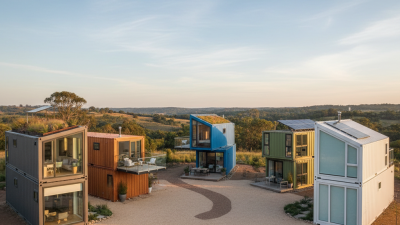
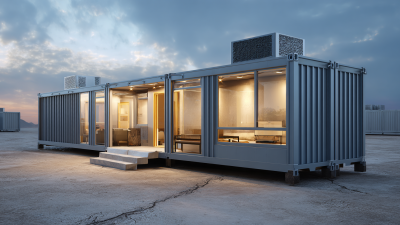
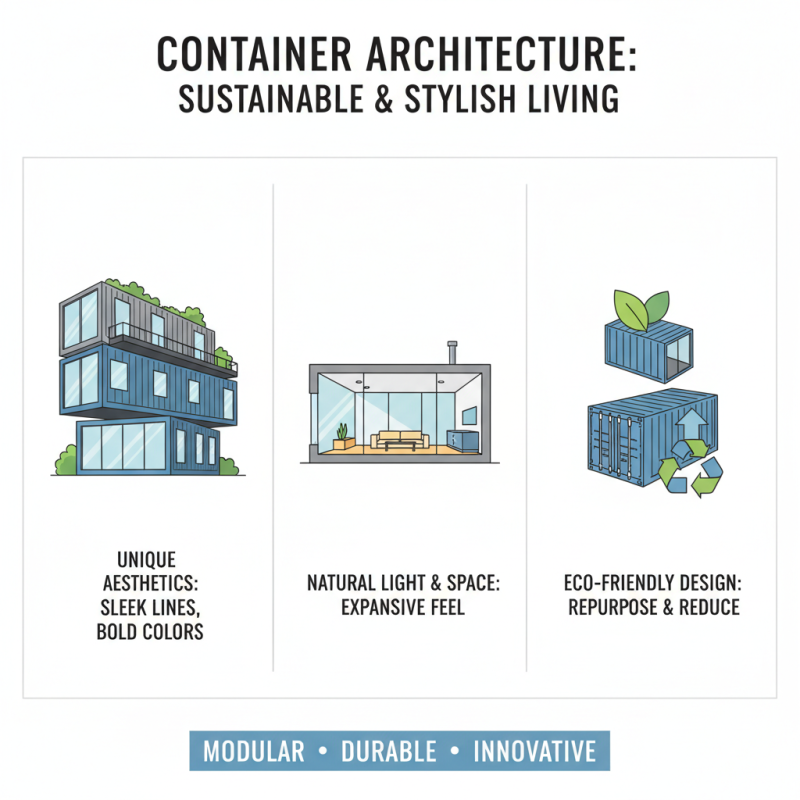
Container architecture has gained popularity due to its unique aesthetics and eco-friendly design. The trend showcases sleek lines and bold colors that transform ordinary containers into stunning living spaces. Many designs incorporate large windows to invite natural light. Such features create an airy atmosphere, making compact spaces feel more expansive.
Sustainability plays a crucial role in modern container homes. Reusing shipping containers reduces waste and resource consumption. However, the challenge lies in insulation and energy efficiency. Many designs struggle with temperature control, making them less comfortable in varying climates. Thoughtful design choices, such as green roofs or natural ventilation, can alleviate these issues while enhancing visual interest.
Incorporating nature into these structures has become a strong aesthetic trend. Vertical gardens and outdoor living areas can blur the lines between indoors and outdoors. These elements not only provide beauty but also improve air quality. However, maintenance can be a concern, and some designs may require constant attention. Striking a balance between aesthetics and functionality is essential in creating a truly modern and livable container space.
The integration of smart home technologies in container living spaces is revolutionizing modern housing. According to a recent report by Statista, the global smart home market is projected to reach over $135 billion by 2025. This growth indicates a significant trend toward adopting smart devices in modular living environments.
Features like automated lighting, smart thermostats, and security systems enhance convenience and energy efficiency in container homes.
Moreover, advanced connectivity options allow homeowners to control their living spaces from anywhere. Voice-activated assistants can manage everything from appliances to security cameras. However, these technologies require a stable internet connection, which can be a challenge in remote areas. The reliance on the internet raises questions about privacy and data security, making some users hesitate.
Container homes also face insulation and climate control issues. While smart HVAC systems can help, not all models fit every design. Builders must ensure that these technologies are compatible with the unique structure of each container. Homeowners find joy in customization, yet proper integration remains a hurdle. Exploring these technologies requires careful consideration of both benefits and drawbacks.