10 Best Container Fitouts Ideas for Efficient Space Utilization

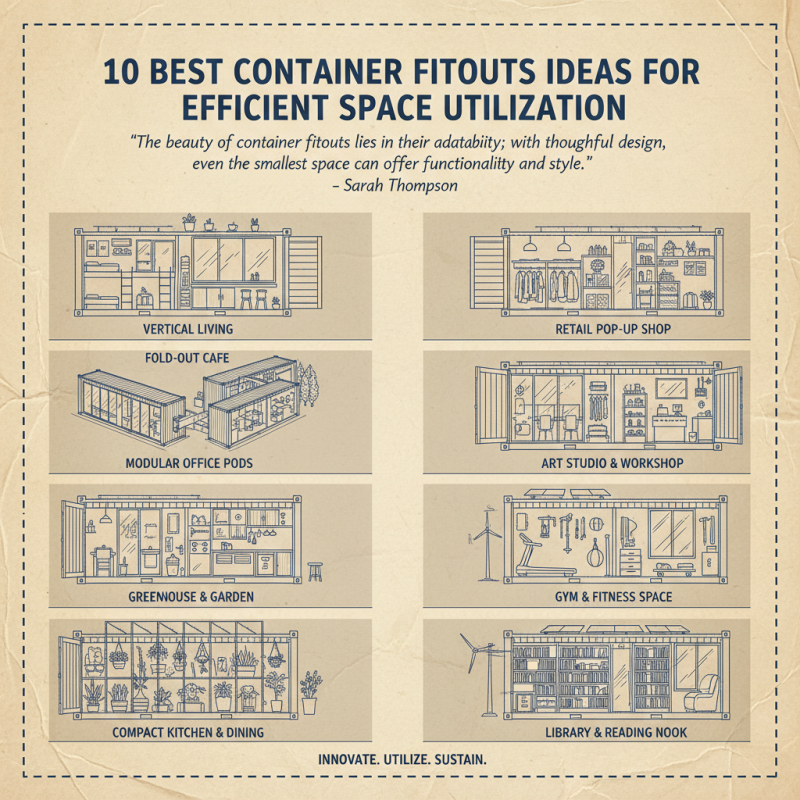
Container fitouts have emerged as a revolutionary solution for maximizing space efficiency across various applications, from residential to commercial ventures. As an expert in the field, Sarah Thompson, a renowned interior designer specializing in container architecture, states, "The beauty of container fitouts lies in their adaptability; with thoughtful design, even the smallest space can offer functionality and style." This insight underscores the growing trend of utilizing shipping containers not just for storage, but as innovative living and working spaces.

In today's world, where space is at a premium, the demand for creative container fitouts is on the rise. By employing clever design strategies and multifunctional furniture, individuals and businesses can transform these containers into comfortable and highly efficient environments. Whether it’s a compact office, a chic café, or a cozy home, the potential of container fitouts is truly remarkable.

This article will explore the ten best ideas for container fitouts that exemplify efficient space utilization. From maximizing vertical space to integrating sustainable materials, these concepts will not only inspire creativity but also demonstrate how container fitouts can meet diverse needs while being environmentally conscious. Join us as we delve into the most innovative and practical approaches to reimagining what a container can become.
10 Best Container Fitouts Ideas for Efficient Space Utilization

Innovative Design Concepts for Container Fitouts
10 Best Container Fitouts Ideas for Efficient Space Utilization

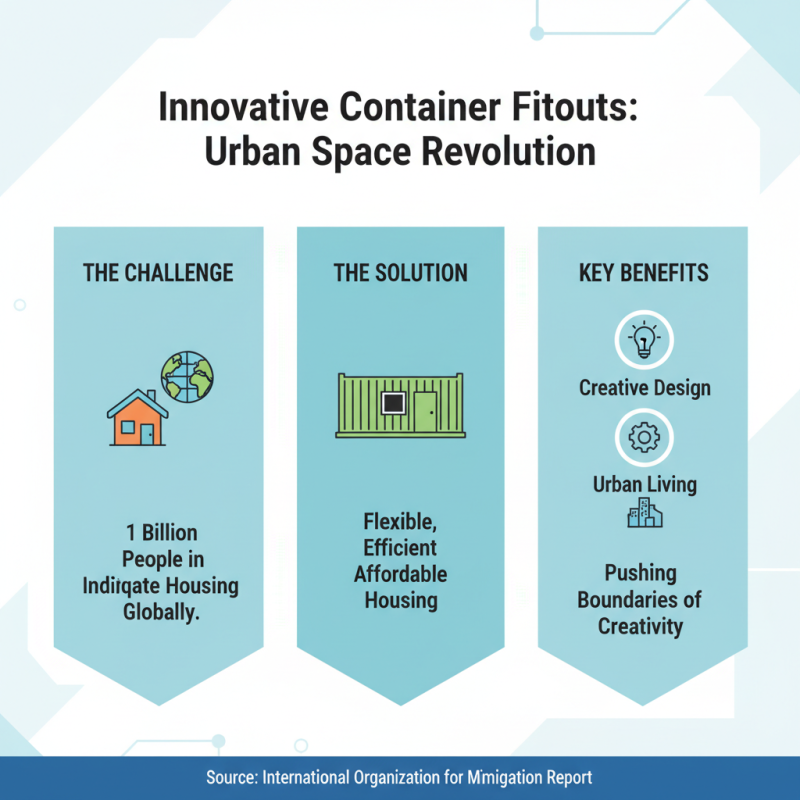
Innovative design concepts for container fitouts are revolutionizing the way we utilize space in urban environments. According to a report by the International Organization for Migration, nearly 1 billion people live in inadequate housing globally, highlighting the pressing need for affordable, innovative solutions. Container fitouts offer a flexible and efficient alternative, with architects and designers constantly pushing the boundaries of creativity to maximize limited square footage.

One emerging trend in container design is the use of multi-functional furniture that adapts to different needs. For instance, collapsible or transformable seating and tables can turn a compact living space into a versatile social area, demonstrating efficiency without sacrificing comfort. A study from the National Association of Home Builders indicates that multifunctional layouts can increase the perceived size of small spaces, significantly enhancing user experience.

Additionally, the integration of sustainable materials and technologies into container fitouts is gaining traction. Energy-efficient systems and eco-friendly finishes are not only reducing the ecological footprint but also providing cost savings in energy consumption. Research from McKinsey suggests that by 2030, sustainable building practices could lead to a 30% reduction in energy use within the construction sector, making container fitouts not just a practical choice but a profoundly impactful one.

Maximizing Vertical Space with Smart Storage Solutions

As urban living spaces continue to shrink, maximizing vertical space within container fitouts has become crucial. Smart storage solutions, such as wall-mounted shelving and modular units, can significantly enhance the usability of confined areas. According to a report by the American Institute of Architects, efficient space utilization can increase functionality by up to 30%, while also providing a more organized environment. Utilizing vertical space not only helps in decluttering but also allows for creative design that can transform a container into a cozy, multifunctional living area.

Incorporating elements like stackable bins or hanging organizers can further optimize storage potential. A survey conducted by the National Association of Home Builders indicates that 81% of homeowners prioritize clever storage solutions in their home designs, demonstrating the growing demand for effective use of vertical dimensions. By strategically placing items upwards rather than spread across the floor, container fitouts can maximize efficiency, creating a more spacious feel. Emphasizing vertical storage can lead to not only aesthetic improvement but also practical advantages, ensuring every inch is utilized effectively.

Creating Multi-Functional Areas Within Container Spaces

Creating multi-functional areas within container spaces provides innovative solutions for optimizing limited square footage. By designing multifunctional zones, you can effectively meet diverse needs without sacrificing style or comfort. One popular approach is to incorporate foldable furniture that can be easily stored away when not in use, transforming a living area into a workspace or relaxation nook. This flexibility allows for seamless transitions throughout the day, catering to both work and leisure activities.

Another strategy for maximizing efficiency is to utilize vertical space creatively. Installing shelving units or overhead storage can free up floor space while keeping essential items within reach. Additionally, sliding or pocket doors can enhance the flow between different areas, making the container feel more open and connected. Incorporating modular elements that can be rearranged or reconfigured ensures that the space can adapt to various functions, whether it’s a home office, guest room, or a communal gathering spot. By thoughtfully designing these multi-functional spaces, container fitouts can transform into vibrant, versatile environments that adapt to the user’s lifestyle.

Incorporating Natural Light and Ventilation in Container Design

Incorporating natural light and ventilation into container designs is not only essential for aesthetic appeal but also crucial for promoting a comfortable and productive environment. Research indicates that access to natural light can enhance mood and overall well-being, leading to increased productivity levels by up to 15% in workspace settings (source: "The Impact of Natural Light in the Workplace," Harvard Business Review). This is particularly relevant for container fitouts, where the unconventional structure can limit daylight access. Strategically placed windows, skylights, and open layouts can transform these spaces, ensuring they are not just functional but also invigorating.

Ventilation plays a pivotal role in maintaining indoor air quality, which is vital for any container environment. According to the World Health Organization, inadequate ventilation is linked to various health issues, including respiratory problems and fatigue. By utilizing natural ventilation techniques—such as operable windows, vents, and cross ventilation—container spaces can achieve better airflow, reducing the need for energy-intensive air conditioning. Furthermore, studies show that environments with good ventilation can improve cognitive function by up to 40% (source: "Global Indoor Air Quality Standards," ASHRAE). Therefore, integrating natural light and ventilation into container fitouts not only maximizes space efficiency but also enhances the quality of life for its inhabitants.

Eco-Friendly Materials and Technologies for Container Fitouts

When considering container fitouts, prioritizing eco-friendly materials and technologies is crucial for sustainable design. Utilizing reclaimed wood for flooring and cabinetry not only reduces waste but also adds a unique character to the space. Recycled metal and bamboo can serve as robust alternatives for structural elements, while low-VOC paints ensure a healthier indoor environment.

Tips: When selecting eco-friendly materials, look for certifications and labels that indicate sustainability. Focus on local suppliers to minimize transportation emissions, and consider materials that are durable to reduce the need for future replacements.

Incorporating energy-efficient technologies is another essential aspect of container fitouts. Solar panels can power your container, while energy-efficient windows enhance natural light and thermal regulation. Smart home systems can help monitor energy consumption, ensuring that the space remains efficient without sacrificing comfort.

Tips: Invest in high-quality insulation materials, such as recycled denim or sheep's wool, to improve energy efficiency and reduce heating and cooling costs. Additionally, consider rainwater harvesting systems to promote water conservation in your container design.

Contact Us