
What Birch Plywood Types Are Best for Global Buyers in 2026?

Global buyers entering the 2026 market need more than attractive birch veneers. They need panels matched to climate, loading, machining, and compliance requirements. Birch Plywood varies widely in face grade, core construction, bonding quality, thickness tolerance, and certification status. A clean B/BB panel may suit visible furniture, while BB/BB can offer a practical balance for cabinets and interior components. For demanding transport, flooring, or humid environments, buyers should examine exterior-bonded or WBP-rated products carefully. Labels alone are not enough.

Professor Arno Frühwald, a respected wood-products researcher, once stated, “Wood products perform best when material choice follows the service conditions.” That principle remains useful. A panel made for dry interiors should not be treated as a universal solution. Global purchasers should request technical data, emission reports, moisture guidance, and independent test results. FSC or PEFC certification may also matter, depending on the project and destination market. Verify every document.

This guide compares Birch Plywood types for international purchasing in 2026. It considers appearance, strength, moisture resistance, machining performance, packaging, and supply reliability. It also examines where buyers may overpay for cosmetic quality or underestimate core defects. Small details matter. A warped sheet can disrupt an entire production run. Even experienced buyers sometimes focus too heavily on price. That is a weakness worth reviewing. The best specification is not always the most expensive one; it is the one that performs consistently in its intended application.
What Birch Plywood Types Are Best for Global Buyers in 2026?

Birch Plywood Basics: 650–700 kg/m³ Density and Cross-Banded Strength

What Birch Plywood Types Are Best for Global Buyers in 2026?

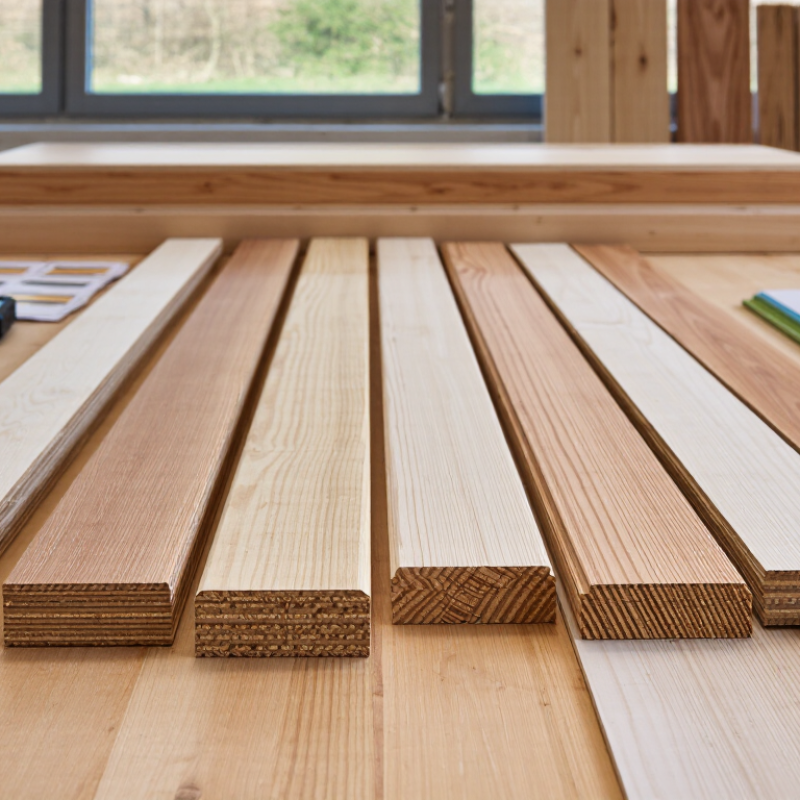
Birch plywood is valued for its stable structure, clean surface, and dependable machining. Its typical density ranges from 650 to 700 kg/m³. That balance matters. The material feels solid without becoming unnecessarily heavy during shipping or installation. Thin birch veneers are layered in alternating directions, creating cross-banded strength. This construction helps panels resist warping, splitting, and uneven loads. It suits furniture parts, interior fittings, packaging components, and precision-cut assemblies.

In practical procurement, density alone should not decide the purchase. A panel with good density may still show weak bonding or excessive moisture. Check veneer gaps, edge quality, thickness tolerance, and surface sanding under clear lighting. Moisture content should match the destination climate and intended use. Export buyers should also request documented test data for bonding performance and formaldehyde emissions. Requirements vary by market. A careful review prevents expensive surprises.

Tips: Compare samples from different production batches. Measure thickness at several points, not just one corner. Inspect freshly cut edges for voids and loose layers. Ask whether the cross-banded core matches the stated construction. I would also question unusually low prices. They may reflect thinner face veneers or inconsistent core quality. That detail is easy to miss.

Choose BB/BB, BB/CP, or B/BB Faces for Visible-Grade Requirements

What Birch Plywood Types Are Best for Global Buyers in 2026?

For visible-grade projects, face selection matters more than thickness alone. BB/BB plywood offers two clean, balanced faces for cabinet sides, furniture panels, and exposed shelving. Under EN 635-2 practice, BB usually permits carefully repaired knots and limited color variation. Buyers should request actual face samples, not only digital photographs. Wood changes character.

BB/CP is a practical compromise. The BB face presents better, while the CP back may show more patches, open knots, or stronger contrast. This option suits painted panels, hidden backs, and projects viewed from one side.

B/BB provides a cleaner B face for premium furniture fronts, with a more economical BB reverse. It can reduce finishing work, but its price increase needs checking.

FAO forest-products data reported global wood-based panel production above 400 million cubic metres in 2022, showing the scale of international panel demand. However, large supply does not mean uniform grading. Moisture, veneer sourcing, pressing conditions, and repair standards affect every shipment. Ask for EN 635 classification, formaldehyde test results, moisture limits, and face-defect tolerances. A 2024 UNECE/FAO market review also highlights continuing volatility in forest-product trade and logistics. Therefore, specify the visible face, backside tolerance, core gaps, and packaging method in the purchase contract. That detail prevents expensive arguments. Even experienced buyers sometimes overvalue the grade code and undercheck the sample.

Match EN 636 Classes 1–3 to Interior, Humid, and Exterior Applications

What Birch Plywood Types Are Best for Global Buyers in 2026?

EN 636 Class 1 suits dry interior spaces. Think cabinets, wall panels, desks, and retail fixtures. Indoor humidity should remain controlled, with no repeated wetting. A clean face grade improves painting and visible joinery. However, Class 1 is not a safe choice for kitchens exposed to leaks. I would check the technical sheet, not trust the sales description.

EN 636 Class 2 fits humid interiors and sheltered areas. It can serve bathroom furniture, laundry rooms, flooring components, and covered balconies. These panels tolerate occasional moisture, but they are not designed for constant rain. Seal cut edges carefully. Store sheets flat, above the floor, and away from open doors. A moisture meter is useful before machining.

EN 636 Class 3 is intended for exterior exposure. It suits outdoor furniture, façades, signs, and transport structures when the design allows drainage. Apply a suitable coating and protect exposed edges. Class 3 does not make plywood maintenance-free. Climate changes matter, especially between coastal heat and freezing inland winters. Ask for test documents, thickness tolerance, formaldehyde information, and traceable production records. Face appearance still needs separate agreement. A beautiful surface may hide unsuitable bonding or core gaps. I have seen buyers focus on price and regret ignoring storage conditions. The classification helps, but the full specification decides performance.

Verify E1 Emissions: Formaldehyde ≤0.124 mg/m³ Under EN 717-1

For global buyers, birch plywood selection should begin with verified E1 emissions, not appearance alone. Under EN 717-1, E1 plywood must release no more than 0.124 mg/m³ of formaldehyde in chamber testing. The test measures air concentration after conditioning, not merely adhesive content. That difference matters. A clean-looking panel can still fail.

Look for clear EN 717-1 reports, production-batch numbers, and testing dates. The WHO Guidelines for Indoor Air Quality: Selected Pollutants sets a 0.1 mg/m³ formaldehyde guideline for 30-minute exposure. This closely challenges the E1 threshold. The U.S. EPA’s TSCA Title VI technical requirements also set strict limits for hardwood plywood, including 0.05 ppm formaldehyde emissions. Values are not perfectly interchangeable, because test methods and conditions differ. Check the method.

Experience with furniture and interior panels shows that birch plywood with low-emission phenolic or modified urea adhesives can perform well, but moisture changes may affect results. Ask for testing from an accredited laboratory. Request both formaldehyde data and product construction details, such as veneer grade, core density, and adhesive type. A certificate alone is not enough. It may be outdated. Ask whether the tested panel matches the shipment, especially when thickness, coating, or core composition changes.

What Birch Plywood Types Are Best for Global Buyers in 2026? - Verify E1 Emissions: Formaldehyde ≤0.124 mg/m³ Under EN 717-1

Birch Plywood Type Typical Bonding / Service Class Typical Density Common Applications E1 Verification Requirement Key Buyer Checks for 2026
Interior Furniture-Grade Birch Plywood Dry-use conditions; commonly aligned with EN 636-1 and EN 314-2 Class 1 bonding Approximately 650–750 kg/m³ Cabinet components, shelving, interior furniture, doors, decorative panels Finished-panel test report showing formaldehyde ≤0.124 mg/m³ by EN 717-1 Face and back grade, veneer repairs, thickness tolerance, sanding quality, batch traceability
Interior Construction Birch Plywood Dry-use conditions; EN 636-1 is generally applicable when the product is specified for interior use Approximately 600–720 kg/m³ Partitions, wall linings, packaging, interior fit-out, temporary structures Do not rely only on an adhesive declaration; request an EN 717-1 chamber result for the supplied panel Panel moisture content, core gaps, edge quality, declared intended use, packaging and storage conditions
Exterior / WBP Birch Plywood Humid or exterior exposure; commonly specified to EN 636-2 or EN 636-3 with suitable EN 314-2 bonding performance Approximately 650–750 kg/m³ Exterior joinery, vehicle interiors, façade subcomponents, wet-area construction, reusable crates Water resistance does not prove low emissions; verify the completed plywood product at ≤0.124 mg/m³ under EN 717-1 Bonding class, edge sealing, surface coating, weather exposure limits, structural design values and local building rules
Structural Birch Plywood Specified according to structural use and service environment; EN 636 and EN 13986 may be relevant in European projects Approximately 600–750 kg/m³ Floors, roofs, walls, transport platforms, engineered assemblies and load-bearing components Confirm E1 on the exact structural grade, thickness and surface condition—not merely on a similar interior grade Strength class, stiffness values, span tables, formal design documentation, production control and conformity marking where required
Film-Faced Birch Plywood Usually designed for repeated concrete-formwork use; core bonding and film type vary by specification Approximately 600–750 kg/m³ Concrete formwork, industrial platforms, vehicle floors and reusable construction panels The phenolic film may reduce surface exposure but does not automatically establish E1 compliance; test the finished panel or documented core specification Film weight, surface slip resistance, edge sealing, reuse cycles, screw holding, repair policy and storage protection
High-Strength Birch Plywood Multi-ply construction; service class and bonding class must be matched to the project environment Approximately 680–780 kg/m³ Machinery parts, seating structures, stairs, transport equipment and high-load furniture Request EN 717-1 results for the exact adhesive system and panel construction because higher strength does not indicate lower emissions Modulus of elasticity, bending strength, screw withdrawal, machining behavior, panel flatness and design safety factors
Low-Formaldehyde / No-Added-Formaldehyde Birch Plywood Adhesive formulation varies; moisture resistance and structural performance must be verified separately Approximately 600–750 kg/m³ Schools, healthcare interiors, residential furniture, offices and projects with strict indoor-air requirements Prefer an independent or accredited laboratory report confirming ≤0.124 mg/m³ under EN 717-1 for the actual product Test date, specimen conditioning, laboratory identity, report scope, product thickness, face treatment and compliance validity for the destination market
Buyer note: EN 717-1 is a chamber method for determining formaldehyde emissions from wood-based panels. The E1 threshold shown here is ≤0.124 mg/m³ under the stated test method. Emission results should be checked against the exact product type, thickness, surface treatment, production batch and destination-market requirements.
Data note: Density figures and application descriptions are typical industry ranges and may vary with veneer species, moisture content, lay-up, adhesive system and manufacturing specification. Product-specific technical documentation remains necessary for purchasing decisions.

Build a 2026 Checklist: FSC, CE, 6–14% Moisture, and Tight Tolerances

Global buyers should treat birch plywood as a documented specification, not merely a pale, smooth panel. FAO’s Global Forest Resources Assessment 2020 reports that forests cover 31% of global land. That figure strengthens the case for traceable sourcing. Request a valid FSC chain-of-custody certificate, certificate scope, and product invoice trail. Do not accept a logo alone.

Check CE requirements carefully. Under EN 13986, wood-based panels used in construction may require CE marking and a Declaration of Performance. The applicable performance class matters. A furniture panel and a structural panel are not interchangeable. For moisture, set a receiving range of 6–14%, then verify it with a calibrated meter. EN 322 provides a recognized method for measuring panel moisture content. Measure the core, face, and several pallet locations. One dry edge proves very little.

Tight tolerances protect machining accuracy. Compare thickness, length, width, squareness, and warpage against the agreed standard, such as EN 315 or the project specification. Ask for production test records, not polished samples only. A practical incoming check can sample five sheets per batch and photograph defects beside a ruler. That is imperfect, but repeatable. Buyers sometimes overfocus on FSC and CE while ignoring glue bond quality, veneer gaps, and storage humidity. A compliant document cannot correct a warped panel. Define acceptance limits before shipment, and review them after the first container.

Contact Us