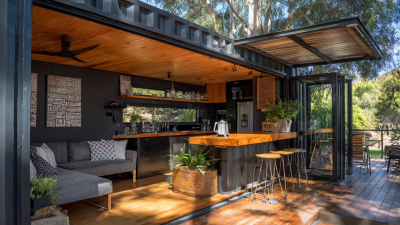
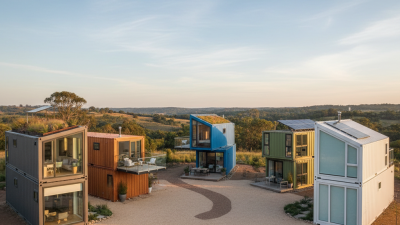
As the world grapples with the pressing challenges of environmental sustainability, the concept of using converted containers for living and working spaces has gained remarkable momentum. Converted containers, which transform shipping containers into functional and aesthetically pleasing habitats, present a unique solution for eco-conscious builders. According to Dr. Samuel Greene, a renowned expert in sustainable architecture, "Converted containers not only offer a creative reuse of materials but also encourage a minimalistic and environmentally friendly lifestyle." This innovative approach not only minimizes waste but also reduces the carbon footprint associated with traditional construction methods.
The benefits of utilizing converted containers are multifaceted, from their affordability and versatility to their reduced environmental impact. By repurposing these steel structures, individuals and businesses can create high-quality, durable spaces that reflect their values of sustainability and efficiency. As more people seek alternatives to conventional building practices, converted containers stand out as a smart choice that challenges the status quo and promotes a greener future. In this discussion, we will explore the top benefits of using converted containers for sustainable living and workspaces, highlighting how this solution transforms the way we think about our environments.
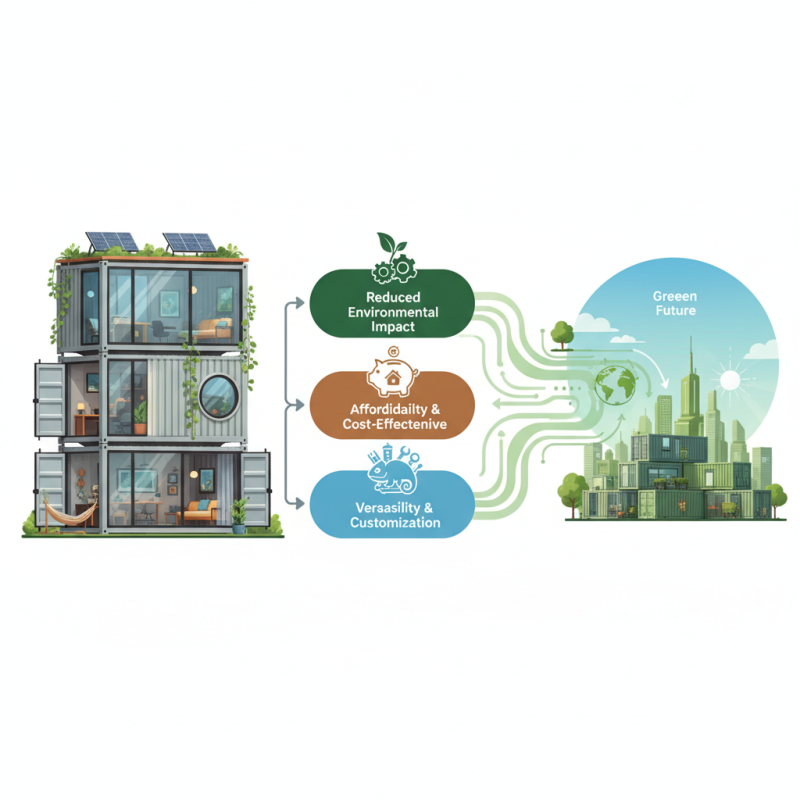
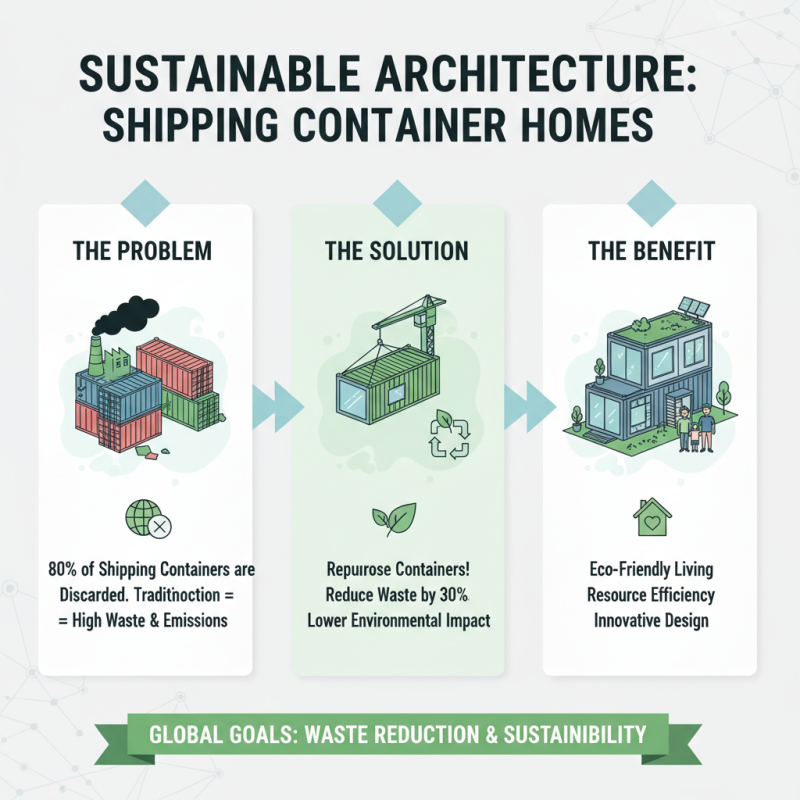
The transformation of shipping containers into livable and functional spaces is a growing trend in sustainable architecture. According to the Global Recycling Foundation, around 80% of shipping containers are discarded or left idle after their initial use. By repurposing these containers, we not only mitigate waste but also minimize the environmental impact associated with traditional construction methods, which typically require significant resources and produce extensive greenhouse gas emissions. In fact, a study published by the World Green Building Council highlights that repurposed structures can reduce construction waste by up to 30%, making container homes an eco-friendly alternative.
Moreover, converted containers are versatile, adaptable, and cost-effective. With an average cost of construction ranging from $2,000 to $4,000 per container, they offer a budget-friendly solution for creating unique living and working environments. The flexibility of container design allows for innovative layouts, accommodating various needs from compact homes to modular office spaces. The American Institute of Architects emphasizes that such adaptive reuse not only meets the demand for affordable housing but also fosters community development by utilizing existing infrastructural elements, thus preserving urban landscapes and reducing the need for new materials. As cities continue to evolve, the adoption of converted containers presents an intriguing opportunity for sustainable living and workspaces that align with modern environmental goals.
The environmental impact of using converted containers for sustainable living and workspaces is profound and multifaceted. According to a report by the United Nations Environment Programme, approximately one-third of the world's food produced for human consumption is wasted, contributing to around 8-10% of global greenhouse gas emissions. Converted containers can help mitigate this issue by promoting upcycling and reducing the demand for new materials, which often require extensive resources and energy to produce.
By repurposing shipping containers, which otherwise might end up in landfills, we are able to significantly decrease waste and lessen the environmental footprint associated with traditional building materials.
Moreover, the energy efficiency of converted container structures is noteworthy. A study by the National Renewable Energy Laboratory indicates that well-insulated containers can significantly reduce heating and cooling energy requirements, thereby lowering energy consumption. This property aligns with sustainable building practices that seek to minimize reliance on fossil fuels and promote renewable energy sources.
The adaptability of these containers also allows for innovative designs that can incorporate green technologies, such as solar panels and rainwater harvesting systems, further enhancing their sustainability credentials. As urban areas continue to grow, the utilization of converted containers presents a promising solution that supports both ecological preservation and economic development.
One of the most significant economic benefits of container conversion lies in its cost efficiency. Compared to traditional construction methods, repurposing shipping containers typically requires lower initial investments. The structural integrity of these containers often eliminates the need for extensive foundational work, thus reducing labor costs and timeframes. Furthermore, with a wide variety of sizes and configurations available, individuals and businesses can select containers that best fit their specific needs, ensuring minimal waste and optimal use of resources.
Another crucial aspect of cost efficiency is the potential for versatile applications. Converted containers can be outfitted for various purposes, including offices, homes, or retail spaces, adapting seamlessly to the owner's vision. This multifunctionality not only saves on costs associated with traditional real estate (like leasing or purchasing commercial property) but can also generate additional revenue through short-term rentals or unique business ventures. Additionally, the high durability and reduced maintenance needs of steel containers contribute to long-term savings, making container conversion an economically attractive solution for those seeking sustainable living and working environments.
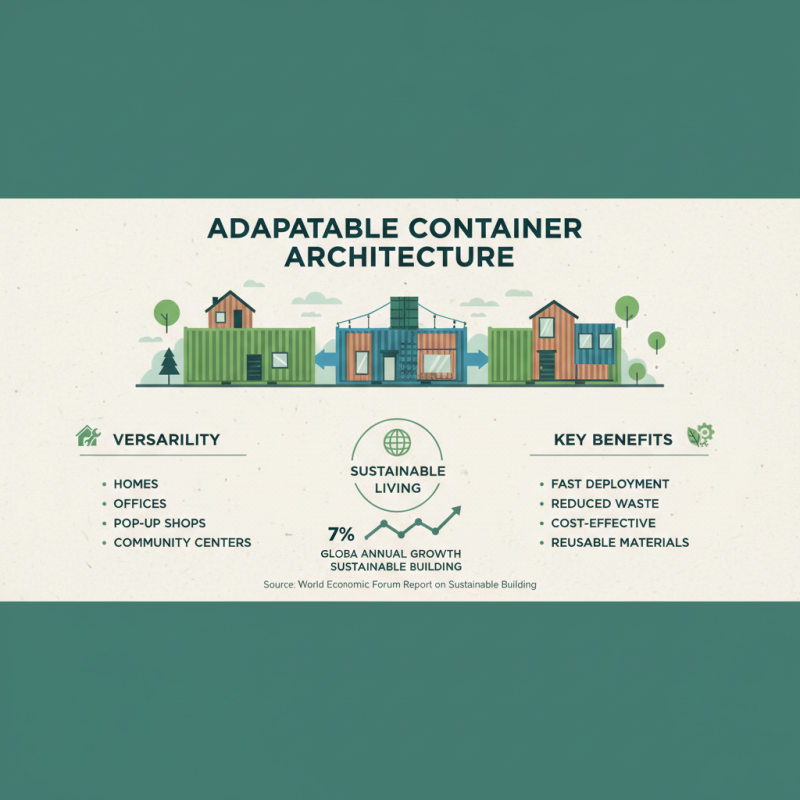
The versatility and adaptability of converted containers make them a revolutionary solution for sustainable living and working environments. These structures can be customized to serve a variety of functions, from homes to offices, pop-up shops, and even community centers. According to a report by the World Economic Forum, the global demand for sustainable building practices is driving a 7% annual growth in container architecture, reflecting their increasing acceptance as an alternative to traditional construction methods.
One of the foremost advantages of using converted containers is their inherent flexibility. With a variety of sizes and layouts available, these containers can be easily combined or modified to create larger spaces. The U.S. Green Building Council highlights that adaptive reuse of materials, such as shipping containers, can significantly reduce waste, with up to 75% less material needed compared to conventional building practices. This adaptability not only supports eco-friendly initiatives but also allows project designers to accommodate specific needs and preferences, making container spaces ideal for those seeking personalized yet sustainable solutions.
In addition to their functional flexibility, container units boast the ability to be relocated with relative ease. This characteristic is particularly beneficial for businesses that may need to adjust their locations based on market demands or logistical considerations. An analysis from McKinsey states that modular construction, including the use of containers, can reduce construction time by up to 30%, underscoring the efficiency of these adaptable spaces. As the trend moves towards sustainable and efficient building solutions, converted containers represent a compelling model for the future of work and living spaces.
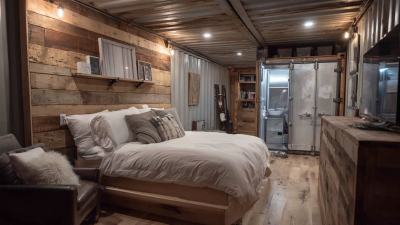
The innovative design possibilities of container-based living and workspaces have captured the imagination of architects and designers alike. By repurposing shipping containers, individuals can create unique and functional environments that challenge the conventional notions of space. These versatile structures can be easily modified, allowing for diverse layouts and functionalities, from compact homes to expansive offices. With their modular nature, containers can be stacked and rearranged to meet the needs of various projects, enabling creativity to flourish in both residential and commercial settings.
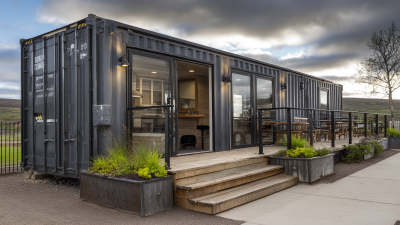
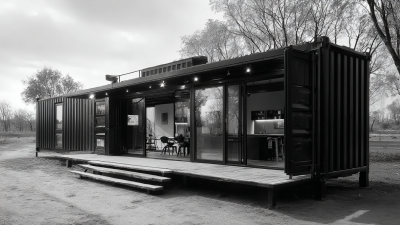
Moreover, container architectures can seamlessly integrate eco-friendly features, such as solar panels, green roofs, and rainwater harvesting systems. Designers can play with the aesthetic appeal of these containers, incorporating large windows, sliding doors, and outdoor terraces to enhance natural light and airflow. The adaptability of these spaces provides a blank canvas for innovative concepts, whether it's an artist’s studio, a co-working hub, or a cozy family dwelling. This versatility not only promotes sustainability but also supports a dynamic lifestyle that encourages interaction with the environment, making container living and working an increasingly attractive option for modern society.
| Benefit | Description | Environmental Impact | Cost Efficiency |
|---|---|---|---|
| Recycling | Using shipping containers repurposes materials that would otherwise become waste. | Reduces landfill waste and resource consumption. | Lower construction costs compared to traditional building methods. |
| Modular Design | Containers can be easily stacked, combined, or modified for various purposes. | Flexible use of space decreases the need for multiple buildings. | Saves on labor and material costs during construction. |
| Low Maintenance | Shipment containers are built to withstand harsh conditions and require minimal upkeep. | Lowers environmental pressure due to less frequent repairs or renovations. | Reduced costs over time from fewer repairs needed. |
| Energy Efficiency | Containers can be outfitted with energy-efficient designs such as insulation and solar panels. | Promotes sustainable energy use and reduces carbon footprint. | Potential savings on energy bills over time. |
| Fast Construction | Construction with containers can occur rapidly, reducing overall project timelines. | Faster completion lowers resource consumption during the build phase. | Reduces labor costs due to shortened project duration. |
The use of converted containers offers numerous advantages for sustainable living and workspaces. These structures significantly reduce environmental impact by repurposing materials that would otherwise contribute to waste. Their efficiency also extends to cost savings, as converted containers often require less investment compared to traditional building methods. Additionally, their versatility allows for a variety of uses, from homes to offices, without compromising on design. The innovative possibilities in architecture enable creative solutions in space usage, pushing the boundaries of conventional living and working environments.
Case studies demonstrating successful conversions highlight the growing trend of utilizing converted containers in sustainability initiatives. These real-world examples illustrate how such spaces can be effectively designed for both functionality and aesthetic appeal, leading to a deeper commitment to eco-friendly practices. Overall, converted containers represent a compelling option for those seeking sustainable alternatives in construction and design.