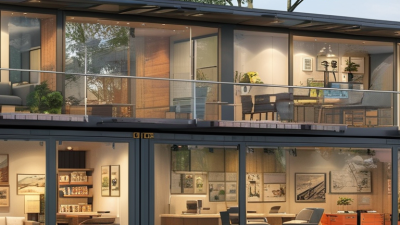
The 40ft container cabin is gaining attention in various sectors, including construction and education. Reports indicate that the global portable cabins market was valued at approximately $26 billion in 2021 and is expected to grow steadily. This growth is attributed to the rising demand for flexible and cost-effective living spaces. A 40ft container cabin offers versatile solutions for remote housing and office spaces.
Using a 40ft container cabin can significantly reduce construction costs and time. For instance, traditional building methods can take several months, while a container cabin can be set up in weeks. This efficiency not only saves money but also meets urgent space requirements. However, proper planning and design are crucial. Many buyers overlook the importance of insulation and ventilation in these cabins.
Despite their many advantages, a 40ft container cabin is not a perfect solution for everyone. Some might find space constraints uncomfortable. Additionally, local regulations regarding container cabins can vary widely. Understanding these nuances is vital for anyone considering this option. Investing in a 40ft container cabin can be rewarding, but it requires careful thought and preparation.
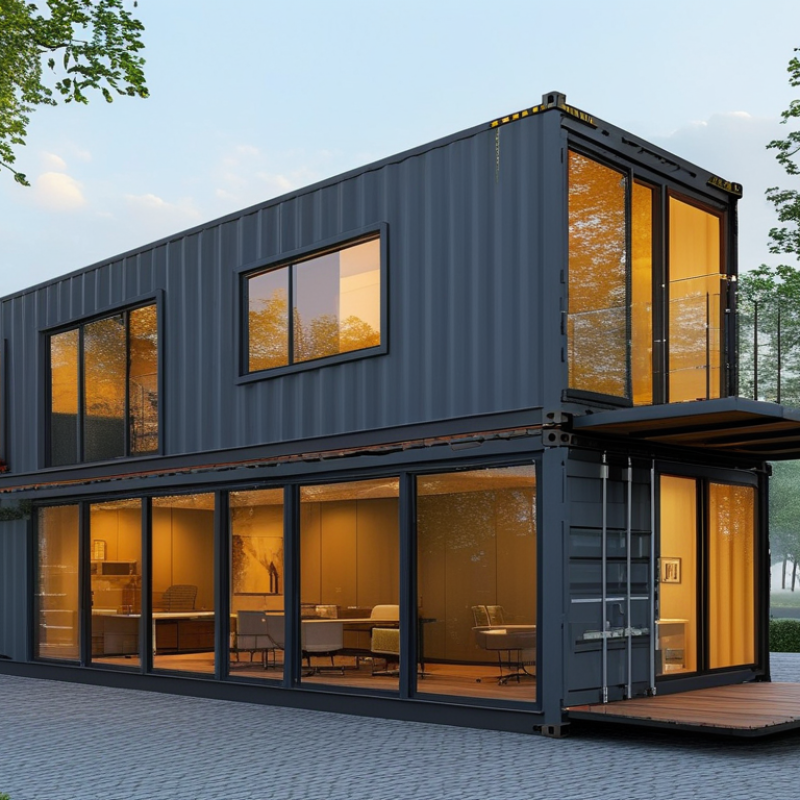
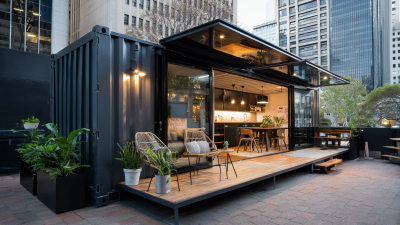
A 40ft container cabin is a versatile structure designed from shipping containers. These cabins provide a sustainable and efficient space for various applications, from tiny homes to office solutions. The standard dimensions of a 40ft container are typically 40 feet in length, 8 feet in width, and 8.5 feet in height, offering around 320 square feet of usable floor space.
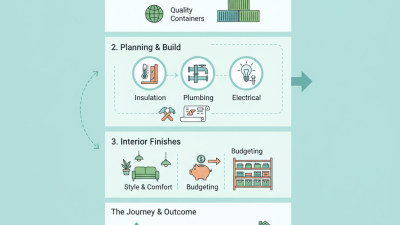
The rising demand for affordable housing has accelerated the popularity of container cabins. Reports indicate that the global portable cabin market is expected to grow significantly, driven by their cost-effectiveness and eco-friendliness. A 40ft container cabin can be customized to include insulation, electrical wiring, and plumbing, making it suitable for living or working environments. Moreover, the durability of steel containers contributes to longevity and low maintenance, which can save costs over time.
However, the design and installation process must consider several factors. Depending on location, local regulations might restrict container cabin usage. Buyers should also evaluate the climate impact. Despite being a modern solution, some might find the aesthetic or layout of a container cabin less appealing compared to traditional structures. It's essential to weigh these considerations carefully, reflecting on whether a 40ft container cabin is the right choice for individual needs.
A 40ft container cabin offers a versatile solution for various needs, from temporary offices to accommodation. These cabins are incredibly durable, made from steel and designed to withstand harsh weather conditions. They're often used in construction, mining, and emergency response due to their robust nature. Industry reports indicate that portable cabins can save up to 30-50% in costs compared to traditional building methods.
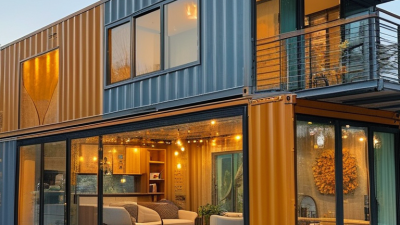
Key features of 40ft container cabins include insulation options, windows, and utilities like plumbing and electrical systems. Insulation keeps the cabin comfortable in all climates, which is crucial for long-term use. The interior can be customized to meet specific requirements, enhancing functionality. Modular designs allow for easy expansion, making them suitable for growing projects.
Despite their benefits, there are challenges. These cabins can be less energy-efficient than permanent structures. Maintenance of seals and insulation is crucial to prevent leaks and extreme temperature variations. This requires regular inspections. Understanding these aspects ensures a wise investment for individuals and businesses alike, balancing short-term flexibility with long-term sustainability.
A 40ft container cabin offers a versatile and cost-effective solution for various needs. These cabins are constructed from robust shipping containers, providing durability and flexibility for residential, commercial, and temporary applications. According to industry reports, the global portable cabin market was valued at $39 billion in 2022, with a projected growth rate of 6.5% annually, reflecting their increasing popularity.
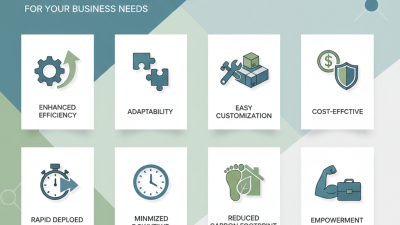
One significant advantage is their rapid deployment. A 40ft cabin can be set up on-site within hours, minimizing downtime. They are also highly customizable, allowing for various layouts and functionalities. Given their mobility, these cabins can adapt to different sites easily. Research by the Container Housing Initiative shows that using container cabins can reduce construction time by up to 50% compared to traditional buildings.
Additionally, 40ft container cabins are eco-friendly. They promote sustainable practices by recycling unused shipping containers. This approach significantly reduces waste and lowers the carbon footprint. While there are challenges, such as insulation and plumbing modifications, these can often be addressed cost-effectively with the right expertise. Embracing container cabins means investing in innovative, practical living or working spaces tailored to modern demands.
40ft container cabins are versatile structures used in many sectors. They provide flexible space solutions for offices, homes, and storage. In construction, these cabins serve as temporary offices or on-site storage units. Their mobility allows them to be positioned exactly where they're needed.
In the education sector, schools are finding creative ways to use these cabins. They can serve as classrooms or workshops, supporting learning in unique environments. In remote areas, they offer flexible living spaces for teachers and staff. However, schools need to consider local regulations and community acceptance when implementing these solutions.
Healthcare facilities also benefit from 40ft container cabins. They can be converted into clinics or patient units. This is particularly useful in response to emergencies or temporary health crises. However, ensuring proper sanitation and ventilation remains a key challenge in such conversions. Each industry can gain from the practicality of these cabins, but there are always hurdles to navigate.
When considering a 40ft container cabin, cost is a crucial factor. Prices for these cabins can vary widely. Factors like condition, modifications, and location play a significant role. A new container could cost more, while a used one might offer savings. However, be mindful of potential repair expenses that may arise with used units.
Additionally, consider the setup costs. Removing the container from the site, transportation, and installation can add to the overall expense. Proper site preparation is also essential. Having a flat, accessible location may reduce extra site work costs. It’s worth noting that containers may also require insulation for comfort, especially in extreme weather. This can also impact your budget.
Financing options may be available through different channels. Some users find renting more cost-effective initially, while others prefer buying for long-term benefits. Don't forget to factor in utility connections, permitting, and zoning regulations. These elements can prevent unexpected costs down the line, ensuring your investment remains viable.